

Mission Wealth can help you seek out uncorrelated and higher expected returns through funds that invest in less liquid and non-publicly traded securities.

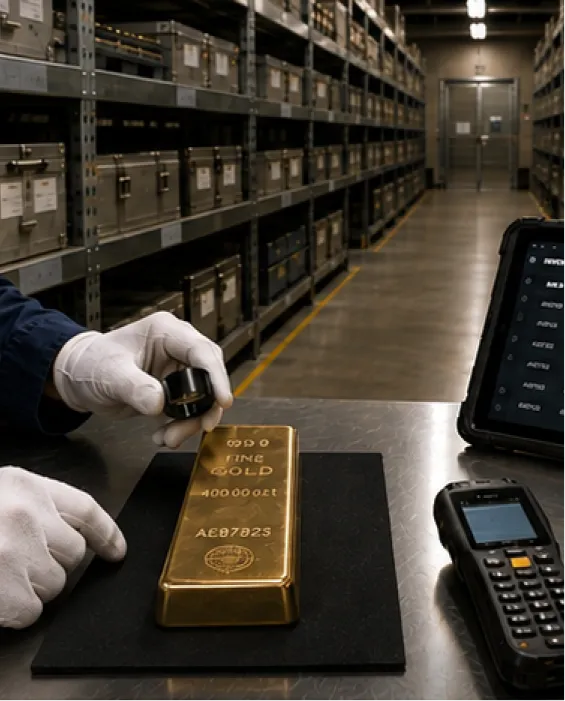


Alternative Investments are financial assets that are not typically traded publicly and do not fit into traditional investment asset classes, such as stocks, bonds, or cash. Mission Wealth has extensively researched and advised clients on alternative investments for over two decades, and we offer access to various types of alternative investments, including private credit, real assets, and private equity. Alternative Investments are primarily suited for accredited investors and qualified purchasers who meet suitability requirements and want to diversify beyond traditional public markets in pursuit of uncorrelated, potentially enhanced returns.
Historically, illiquid alternatives have been reserved for larger, institutional-type investors, like large pension plans and endowments, but through our strategic partnerships, Mission Wealth is able to offer them to our clients where appropriate. Our team can help clients identify appropriate strategies based on their requirements, and we partner with managers with extensive experience and track records managing these unique opportunity sets.
Every investor’s journey is unique. If you’re facing a milestone or decision not listed above, reach out—we’re here to help.
Private Equity
Private equity involves investing in privately held companies (or acquiring public companies with the intention of taking them private) and enhancing company value through strategic, operational, or financial improvements.
Private and Direct Credit
Private and direct credit refers to non-public debt investments where capital is loaned directly to companies, real-estate projects, or specialty finance structures.
Real Assets
Real assets are physical, tangible resources with their value dependent on underlying physical properties and cash flows, such as commercial real estate, infrastructure (roads, bridges, utilities), energy assets, or timberland.
Commodities
Commodities include materials or products that are consumed or used to build other goods. They can be hard commodities (e.g., crude oil, natural gas, precious metals, etc.) or soft commodities (cattle, hogs, sugar, wheat, coffee, etc.).
Schedule a complimentary 30-minute discovery call to discuss your unique situation and financial goals.
Request an introduction



Roth conversions can be a powerful retirement planning tool, but they require careful timing and tax analysis. This guide walks through the factors to consider before converting, including current and future tax brackets, Medicare premiums, Social Security taxation, and Required Minimum Distributions.
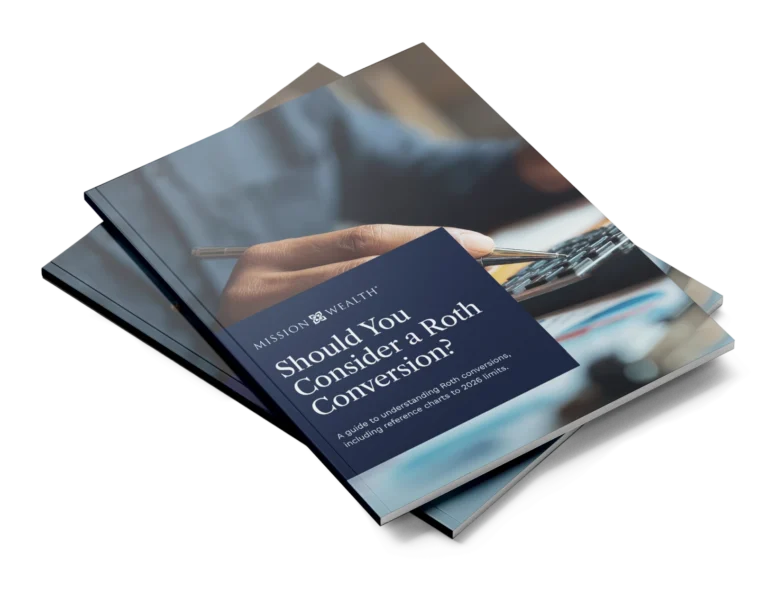






Roth conversions can be a powerful retirement planning tool, but they require careful timing and tax analysis. This guide walks through the factors to consider before converting, including current and future tax brackets, Medicare premiums, Social Security taxation, and Required Minimum Distributions.
Our video library can help you understand more about Alternative Investments and whether they can help you pursue your long-term goals.
--:--
The Importance of a Multi-Strategy Approach to Investing | Mission Wealth
--:--
The Importance of a Multi-Strategy Approach to Investing | Mission Wealth

"*" indicates required fields
By providing a telephone number and submitting the form, you are consenting to be contacted by SMS text message and agreeing to our privacy policy and disclaimers. Message frequency may vary. Message and data rates may apply. Reply STOP to opt out of further messaging. Reply HELP for more information.
or call us: 805-902-4550
"*" indicates required fields
Schedule a complimentary 30-minute discovery call to discuss your unique situation and financial goals.
Prefer a phone call? Call us: 805-902-4550
For general inquiries: click here.
By providing a telephone number and submitting the form, you are consenting to be contacted by SMS text message and agreeing to our privacy policy and disclaimers. Message frequency may vary. Message and data rates may apply. Reply STOP to opt out of further messaging. Reply HELP for more information.