
56:00
Mission Wealth's INSPIREDtalk with Simon Chan: Redefining Retirement
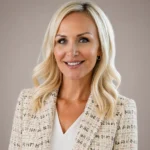
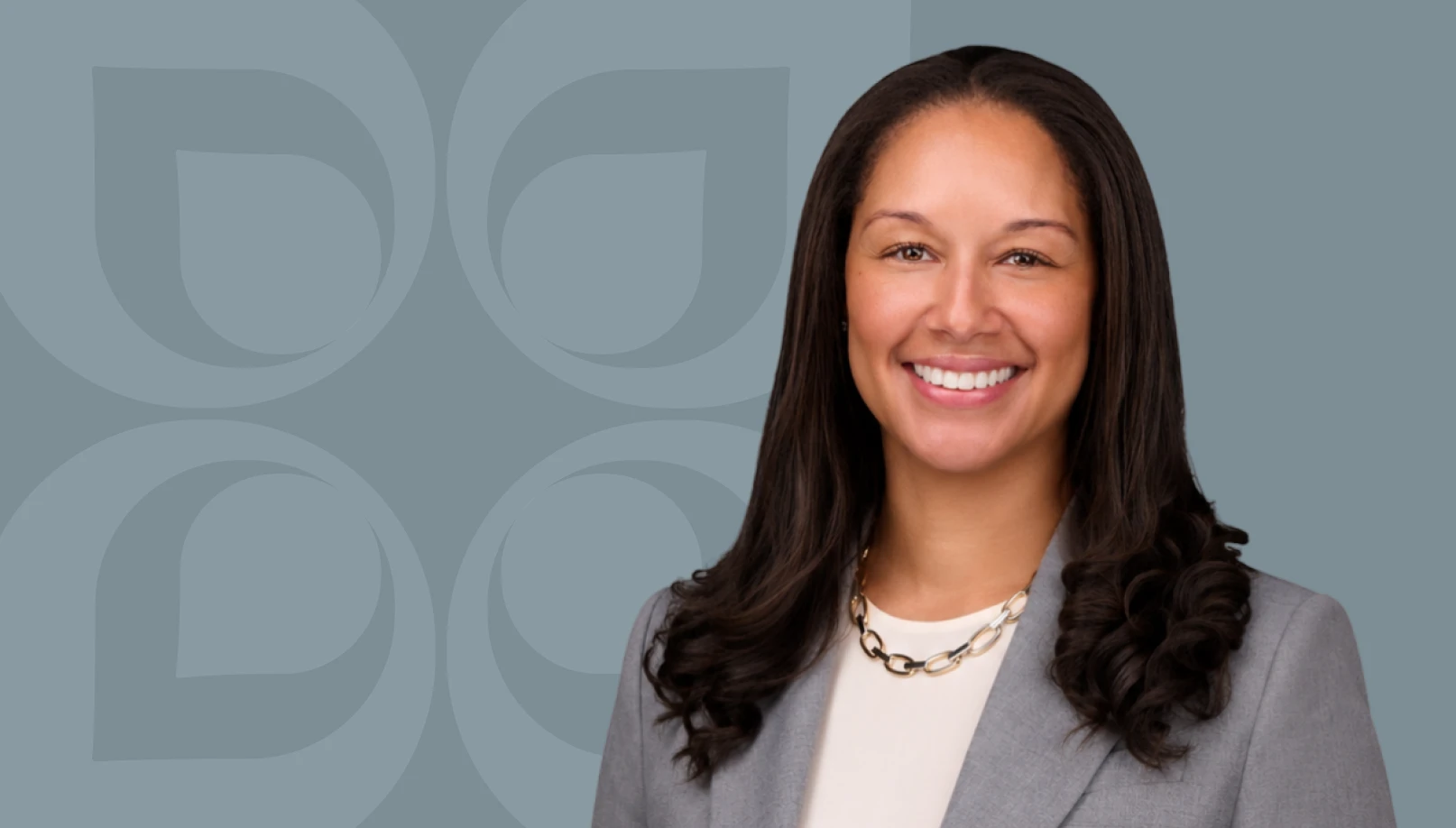
[Music] welcome to today’s inspired talk redefining retirement how to thrive in the new era of longevity hi I’m CER Chief impact officer here at Mission wealth and for 25 years we’ve been helping thousands of clients feel financially secure with their retirement goals and while the foundation of these conversations has really been around optimizing finances we also advocate for optimizing the lives of our clients across a broader definition of wealth many of you have probably seen our wealth wheel where we talk about wealth across 12 Dimensions so it’s not just do we have enough income to cover our expenses and enough assets uh to feel comfortable it’s also the quality of our relationships do we feel like we’re making an impact in the community or the World At Large our physical health and we’re excited to keep uh being an advocate to help clients live fulfilled lives across all of these definitions and today I’m so excited to introduce our speaker Simon Shan and we’re going to talk about these longevity Trends and how this really mandates us to have a holistic lens and Simon is the person
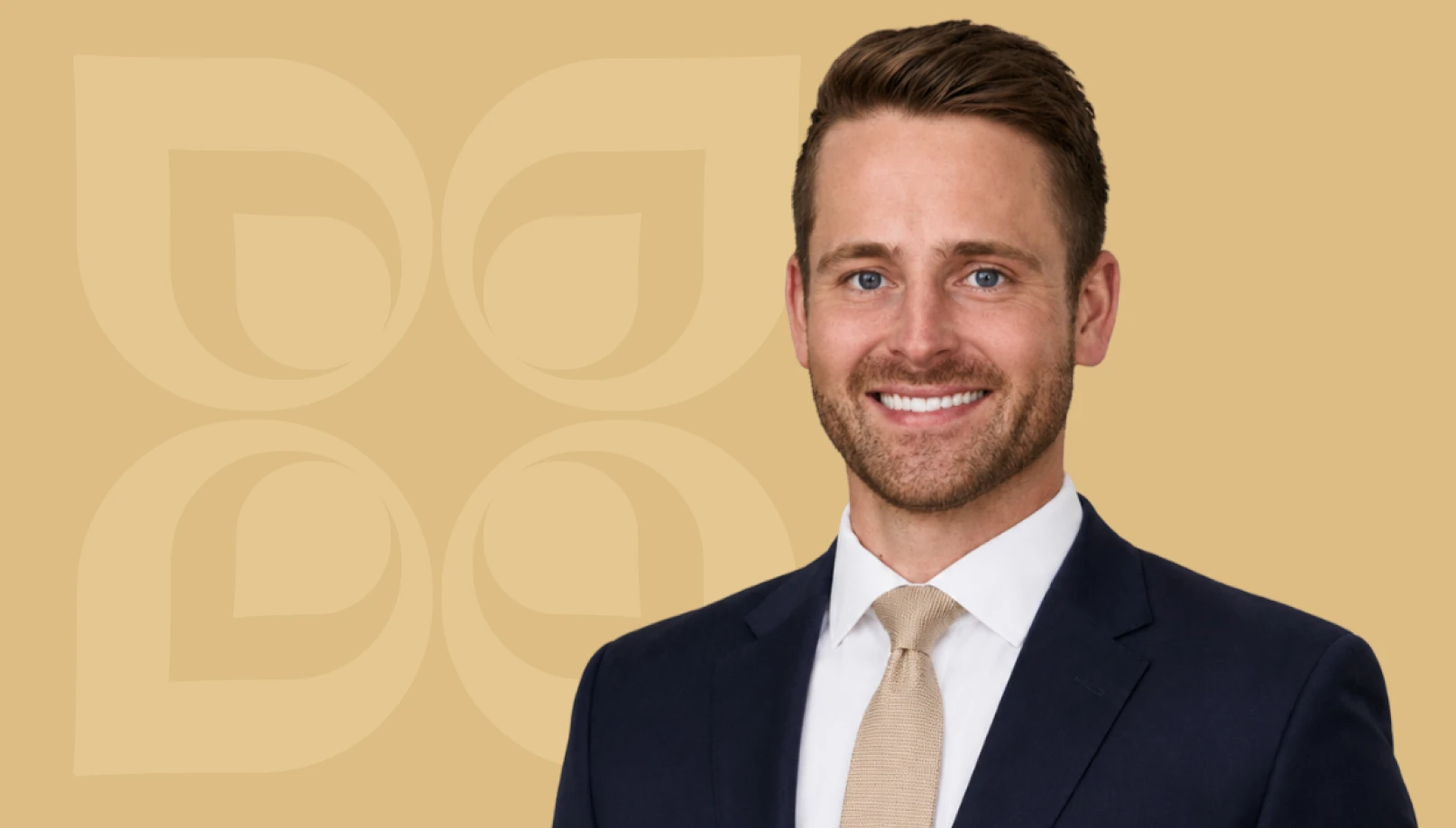
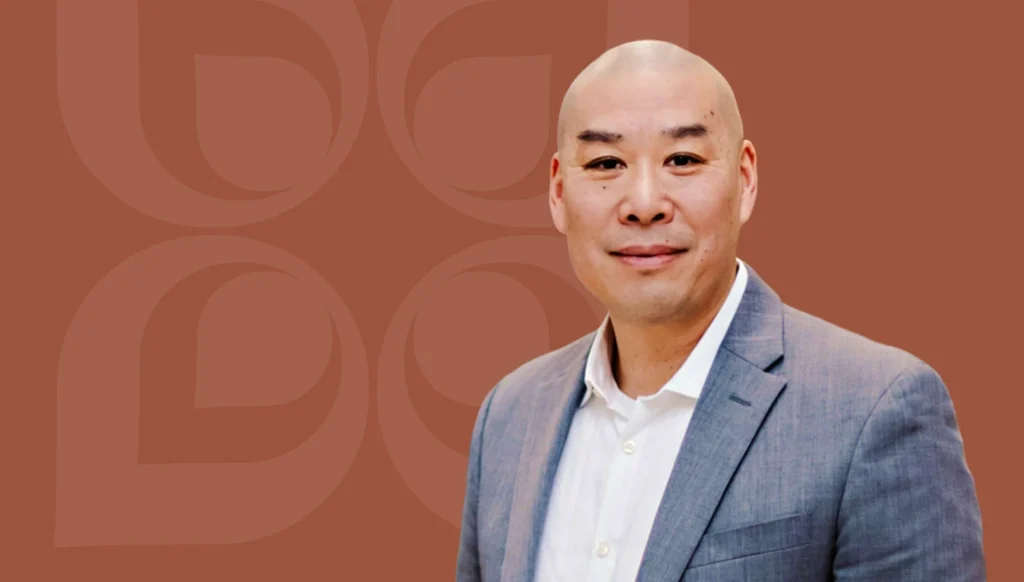
for us to speak to he is the founder and CEO of adapt with intent which is a consulting firm that helps leaders and organizations redesign work across life stages with a focus on living and thriving in an area of longer lifespans he’s one of 15 Global ambassador adors at the Stanford center on longevity and he leverages their new map of Life research to help organizations modernize societal pillars such as Financial Services higher education and the workplace to support 100 plus year lives he also serves on The Advisory Board of the Yale School of Management where he’s working on the design of the experienced leaders initiative that’s kicking off in January 2025 and this program will help leaders transition from their primary careers to their next chapter with over 25 years of executive leadership experience and he spanned Financial Services technology and Innovation Simon has deep insights into strategic planning and personal growth he’s also a certified financial planner and certified professional retirement coach so Simon we really appreciate you being here and the way we’re going to kick off
today is we’re going to start with Simon giving us an overview of some trends for about the first seven eight minutes and then we’ll be going into some interactive questions and we’re going to ask you all to be engaged and to participate we’re going to be having some chat prompts and some polls and of course we want your questions so feel free to put your questions in the Q&A box and we’re going to record this and provide everyone with a summary of top takeaways from today’s conversation so I’m excited let’s buckle up and together we can help expand our perspective of retirement so Simon I’ll pass it to you to give us an overview of these current trends thanks lot Seth and and really appreciate the opportunity to be here here and I’m looking forward to our conversation so I’m going to start off uh a little bit with just uh some of the trends that we see around longevity and get us started to bring that big picture so I’m just going to bring up my slides here um I’m going to spend about you know seven to 10 minutes just talking about these things just to to ground us to get us a sense of what’s happening in
the longevity space so the first thing to note is uh is that people are living a lot longer and it’s it’s kind of an interesting fact that um people at the turn of the century lived for an average of you know 45 50 years today fast forward to the us we look at our life expectancy is really closer to 80 so for most of human history most people have lived a life expectancy of probably 18 to 20 years old because we didn’t have advances like we do today around things like Clean Water Sanitation and health and that’s really what’s projected and propelled this longer lives so we’ve been given an extra 30 years of life expectancy in a single century and so it really has happened very quickly it doesn’t feel quick but it happens very quickly and so today what I’ll we’ll talk a little bit about is how this change in longevity has happened so quickly that we has haven’t really adapted how we live some of our Lives to accommodate this extra 30 years the other thing that’s happening is that um birth rates have declined both uh globally as well in the US going from 3.1 in 1960 to less than replacement rate in in
2023 and what that means is declining birth rates mean smaller families and families are starting later so when you look at longer lives declining birth rates what you have is a real reshape of our society so you’ve often heard a lot about how Society is aging which is true we are aging and hear about the you know the silver economy um the graay society Etc but I think the most interesting thing to think about is not necessarily the fact that we’re aging is that we’re actually living in the most aged diverse Society in human history if you think about the turn of the century when we had a lot of young people and very few old people to today with again longer lives declining birth rates we have the same number of people at almost every same age band so we’ve gone from demographic pyramids to demographic squares and so what I get you to think about is is society built for a period of time where we have a lot of young people and very few older people or is it actually built for the age diversity that we have today and I would suggest that Society is not built for um the age diversity we have today and was built
for much shorter lives so often times we talk about big trends like globalization uh AI Etc I would suggest that longevity and and this this shifting demographic is As impactful on society as those other Trends but often doesn’t get a lot of play and so society’s being impacted in a multiple uh different ways it impacts individuals people are living now much more nonlinear lives uh multi-stage lives which we’ll get into uh organizations now need to deal with an aging Workforce five generations in the workforce uh and there’s not a lot of structures to deal with many of these things from a customer standpoint um the Aging customer or the Aging customer base presents a huge opportunity uh AARP said that uh over the over 50 crowd actually contributes $45 trillion to Global GDP so that’s like 34% and so how are we adapting how we’re dealing with um customers as organizations as well as um our workforces uh as we look at this new demographic and then obviously governments we think about Healthcare implications pension Social Security uh Workforce and labor policies as well as the need as people live a lot longer for
lifelong learning and reskilling so as as Seth mentioned um I’m one of the ambassadors for the Stanford center longevity uh and uh we have the opportunity to talk to a lot of the experts there and one of the things that I think was really important um when we heard from uh the director at the center of longevity Laura Carstensen was the naming of the center was very intentional it wasn’t the center for longevity uh it was the center on longevity and what I mean by that is for longevity a lot of times when we hear the word longevity we think about life extension we think about longer lives and just a singular focus on health and so the distinction is on longevity is about the fact that we actually are living longer so it’s not about it’s not about life extension it’s about how do we actually increase the quality of life for these Century long lives and make sure that we’ve built the structures to help people navigate these live this this longer life with a sense of belonging purpose and that it’s inclusive for all stages um I was just actually on a call this morning with the UN Global
Institute on aging and they’re thinking about now adding longevity into their name because again the connotation of Aging uh has this connotation of just for older adults and just uh about life extension and not about this uh broader notion of um longevity quality of life and ensuring that we make use of the additional time that we’ve been given so when we think about longer lives really the big shift is around this idea of a longevity bonus or dividend so we’ve been gifted an extra 30 years of life in the last century and for the most part what we’ve done is we’ve just added it on to the end of our Lives added it to retirement so if I were to ask you probably at the beginning of your life if someone was to give you an extra 30 years of longevity uh in your life would you just tack it on to the end or would you actually redistribute it throughout your life and so that’s what people are starting to do and that’s how things are changing we’re moving away from this idea of a linear three-step life where everybody goes to learn work and retire at the same time they’re hard stops uh versus a much more
nonlinear fluid Journey where there’s multiple Transitions and so we’ll talk a little bit about that but things like Gap years part-time work etc are things that are evolving and this idea of maybe a bit of more of a portfolio life um or a period of reinvention in retirement I think it’s really important for us to realize that retirement is a man-made structure it’s not something that always existed and so I think retirement itself is evolving and so maybe just a bit of history on retirement to to set the stage um you know prior to the 20th century early 20th century there was no retirement um that just didn’t exist people worked until they couldn’t work anymore and people were taken care of by their families and I think it’s important to note that life expectancy was in their 40s at that time it wasn’t until probably about 1935 or the the mid 20th century where he introduced the idea of Social Security uh employer provided pension plans emerged and then we established this age of uh a retirement age of 65 that became a social expectation but again remember life expectancy at that period of time was in
your 50s and 60s so again it wasn’t designed for a long period of time the third stage is this idea of a golden era of retirement or the golden years and this was popularized by TV commercials uh things like Sun City which was a retirement facility in Arizona but this was post 1950 the postar boom retirement was seen as a reward for a long career it was the destination and so we had def benefit plans the expansion of Social Security to support this financial vision and life expectancy started to creep up to into the 70s and so I would argue that’s largely where our financial institutions our social narrative is stuck it’s stuck in this Golden Era and I would suggest that we’re in a period of time where we’re migrating to a fourth version of retirement which is a bit of a era that where retirement is being reimagined with the decline of traditional pension plans more self-manage accounts like 401K people are starting to think about this period as a period of purpose lifelong learning and the notion of maybe Encore careers or volunteerism and so it’s not just being framed as an era of rest and
relaxation so if we think about retirement as less of a journey and more as of a transition into stages many of you today probably are in the anticipation phase some of you may already be in this retirement phase and you’re exploring what’s happening but we talk a lot about this period of Liberation right travel golf spending time with the grandkids which is great but we often don’t talk about the period of disorientation where people struggle through this transition the other thing that’s new in this journey is this period of potential reinvest reinvention or continued growth people are looking to stay engaged you may have 15 or 20 years of healthy engagement that you can stay engaged in uh and discover new things but to to unlock that it’s important to think about how we might take a different mindset to experiment explore new things which we’ll talk about and what I would say is largely this journey today is a DIY or do-it-yourself process there’s not a lot of guidance there and I think that’s a real opportunity for us to discuss today uh and in the future how do we build systems to put them into place to help
people navigate this transition uh because people didn’t live long enough in the past to necessitate these types of structures I think it’s important for us to think about what our mindset is about aging how do we think about aging do we think about it as something that’s positive um or do we think about just the physical aspects of Aging and I think if you start I’d encourage you to start looking in Social culture and pop culture to look at how aging’s changed uh in the 1980s most of you will recognize the Golden Girls was this is how aging was portrayed uh in the 1980s fast forward to the 2010s uh you know Sex in the City had their sequel um you can see at the bottom it’s really interesting to see that people both uh in The Golden Girls in Sex and City they were actually the exact same age they were in their late 40s and early 50s and the difference in how they’re being P trade so why now why is it important for us to talk about longevity talk about reframing retirement today well we’re at a bit of a Tipping Point particularly in the US I’m Canadian so we’re a little bit further ahead um but by 20150 one in
five people will be over the age of 65 and at in 2050 we’re going to have more people over 60 than under the age of 18 so the US has a lot of time to or has some time time now to actually think about how do we modernize our societal Norms our discussions and put in some structures because uh if you look at other countries for inspiration this has happened in other countries like Japan Germany and Italy and so I think it’s a real opportunity for us to start this conversation about how do we think about this a little bit differently kind of just to close um I love this quote by Carl Young who’s a psychiatrist very famous psychiatrist and pioneering evolutionary theorist and he talks about the fact that we cannot live the afternoon of life according to the program of life’s morning for what was great in the morning will be little at the evening and what in the morning was true at uh will at evening become a lie and this is really the idea of migrating and thinking about our stages differently and how our mindsets will evolve oftentimes early in our career we think about success and a lot of times
later in life we think about more about significance and about emotional well-being and uh relationships and purpose and impact being more Central um to how we think about things so I think I’ll leave it at that but hopefully that sets the stage uh for us to have a great conversation today uh to give you a bit of a sense of what’s happening in the longevity space how retirement’s changing and just how the life course is changing so Seth thank you so much the stage that was a great great uh kind of setting the stage for us and I’d love to have everyone uh answer in the chat make sure you reply to all we put in a prompt which is what gets better with age when you think about your mindset around aging what for you is getting better with age David Price said knowledge and experience gets better with age true we have more wisdom Jonathan asley just getting better with age period we have patience yes wisdom absolutely I think we care less about what people think of us as we get older absolutely yeah yeah perspective is a great one Paul right we broaden our Horizons uh we’re able to take a step
back often times and and uh and thinking a little bit more broadly empathy deeper more aligned relationships agency I like that John we have agency yeah to to make things happen in our life a whole view level of knowledge self-awareness yeah I think about just self-regulation right I think about you know when I was younger I didn’t know how to really regulate my emotions I still have a lot of work to do but uh very different today yep and we do have more resour ources which includes time resources and we have uh resiliency and culinary skills Andrew I love it we can cook a little bit better yeah that’s a skill I’ve had to build over time that’s for sure still not great at it yeah grit well thank you all for sharing that we’ll be having some more prompts here and feel free to continue to put those in uh the chat but Simon would love to kind of kick off as we think about those Trends we are seeing people live longer we’re seeing them live healthier so their health span has improved as well as their lifespan how does this change the way that you know we need to think about life stages yeah I think the the life stages
part I think the big PE thing for us to embrace uh is the fact that um it’s not a linear path anymore right I think if you you know look back to some of our you know how our parents grew up um a lot of people followed the same path very similar um way of living uh we didn’t have Global Travel we didn’t have social media so you kind of seeing what was right in front of you and so people generally followed those that that three-stage life I was talking about they learned at the very beginning they worked um a lot of times at the same company or at least in the same sector in the same industry for a period of time and then they full stop retired and I think what’s changed is um the fact that it’s not just longevity it’s all those other factors as well globalization technology people see a much broader set of options and path Pathways and as you get older those pathways start to you know diverge and I think there’s an opportunity for people to navigate in and out of of different lives and so when you think specifically about longevity um I think more and more people are realizing you know what maybe
it doesn’t make sense for me to wait until the you know until I’m retired to do some of these things maybe I can actually take time you know throughout my life and actually redistribute some of those uh years of longevity throughout my life from from a personal perspective just an example uh for myself you know in my uh in my early 40s I took a bit of a sub rical uh for about 6 months and I just traveled um not exclusively but I traveled um with my parents and my son because my and my wife because my son was in grade eight he was heading to High School uh my parents were uh in their late 70s uh getting a little bit older and you know I’d spent a lot of time talking to retirees who had kind of waited until they were retired to spend some of those years and often what they said to me was you know my parents aren’t around anymore or my my kids are in their 20s and 30s uh and while they love me they’re just not available to be able to travel and so I think we’re going to see a bit more of the a fluidity in terms of how people travel this life course and more diversity that’s for sure right and
and with these demographic shifts in mind like what societal changes do you think are most urgent to better support longer lives as far as societal shifts yeah I think the a couple of things one is um I think our Workforce structures uh need to change um today I think most people still in the workplace um it’s a full stop retirement right so um you know you get to a certain age if you have a defined benefit plan you know it’s a certain age that at 60 or 65 you’re going to retire but it generally still is a set retirement uh I think from a Workforce perspective most workplaces uh one of the number one things that CEOs talk about is a lack of um skilled labor uh or or a lack of talent and to me it doesn’t make a lot of sense when you have probably 20 to 25% of your Workforce over the next 10 years you’re are going to be retiring that you don’t have options for them to stay engaged so again I know I’m using you know a lot of times I talk to retirees and I say work it’s a four-letter word but I think we need to reframe how we think about work um work actually provides a lot of benefits um
to us personally a sense of purpose connection and meaning Etc and so I think there are just there needs to be more flexible options um from a workplace perspective where it’s a win-win for both the person who’s considering uh their next chapter as well as the workplace so I think workplace structures is one um the second one I think is just more support for Life transitions I think more and more people are doing are are shifting and again it’s not just a retirement this is earlier in your career people may want to take uh a gap year people may want to go part-time because they’re you know they’ve got younger children Etc a lot of these structures are not in place and so there’s not these natural off-ramps and onramps for these transitions uh Stanford uh Center longevity has a nice little tagline they say TR uh transitions are a feature not a bug anymore in your lifetime and I think that’s very um appropo and and true so I think we need to build more structures um to support these life Transitions and I think we actually need to really normalize the fact that people are going to be moving in and out of
different forms of um work Leisure Etc versus boxing us into these three stages that we’ve we’ve talked about right and as far as three stages there’s the learn earn and return Framing and I think often times people have have sensed that return giving back is in the form of volunteerism which is wonderful being on boards and so forth but work can be a way of returning right returning that wisdom and applying that wisdom um we’ve talked about how we’re no longer a knowledge economy especially with AI making everything ubiquitously accessible we’re in a wisdom economy so being able to return that wisdom into the workforce would be a a definite great way for people to give back and have that sense of relevance so I would love to just talk a little bit about the longevity bonus that really stuck out with me during your trends like we we’ve been gifted an extra 30 years right compared to a century ago maybe just talk a little bit about the longevity bonus and then we can do kind of a prompt for people to think about how they’re planning to embrace their longevity bonus yeah so I mean really
the longevity bonus is our ancestors through technology Health Care sanitation Etc has given us literally 25 to 30 extra years and I think this bonus um has a real opportunity for us to rethink that life course right so today for the most part in the learn uh you know work or earn retire phase we tend to jam everything into that middle phase like I mean if you look at you know there’s there’s lots of data out there to talk about kind of the U curve of Happiness um people tend to hit the bottom of that that happiness curve uh you know in their in their mid 40s and and why is that well you’re you’re probably trying to jam a lot of things at the same time you’ve got a lot of work pressures uh if you’re raising children you’ve got uh uh pressure when it comes to kids uh and then you also have you know potential caregiving um responsibilities with your parents and so when we think about it um if you’ve been given an extra 30 years would it not make sense for you to to spread those 30 years out across a longer period of time uh now again people will will shudder a little bit when I say this but I think people um you know
moving forward younger people today may actually have a 50 or 60e career which sounds terrible but if that 50 60 year career actually has more flexibility in it where we can Pace it in a better way where we may have breaks where we can go from part-time to full-time based on what’s happening in our lives that might be a little bit more acceptable manageable and actually even you know uh more engaging than trying to pressurize and and move everything into this very short period of time between you know 35 and 55 and and and think about from a savings perspective again having a bit more time gives you that that that pressure valve or that release valve for you to be able to do a little bit of that yeah we had a client years ago who reinvented himself every five years uh with a new career and then he took a year off in between that so he was a commercial real estate then he took his family and they did a extended bike trip through Tibet and China then he came back he was a mortgage broker did that for five years then they took an extended trip through southeast Asia then they came back so he actually
reinvented his career during that year off sabatical while he and his family family immersed in learning about the world um so there’s a lot of ways that we can unpack it we don’t have to like you said just do that linear life anymore uh Simon I want to get to a couple questions and thank you all for putting questions into the Q&A box a question came up about what’s being done to measure the quality of longevity versus the quantity of longevity you know it makes me think I’m fortunate to be going to Bhutan next month and they measure gross domestic happiness uh you know how can people measure the quality of longevity what are some trends that some of these universities you’re working with or thinking about yeah so I mean the very first one that I think most talk about is this idea of healthspan and lifespan right so we’ve got longer lives now so that’s that’s lifespan um but we it doesn’t make a lot of sense or it’s not going to be great if we’re we’re live just living longer and our health span which is the years in which we’re living in good health without you know chronic disease um Etc
um if that doesn’t stay tight uh then we’re really not doing ourselves a service we’re just living longer with lower quality of life so I think the one of the measures will be around how tight can we make that Health span lifespan um I think the most recent data I saw in the US was uh around 10 to 12 years right so most people will live to you know 80 years old but you know that that that Health span is about 10 years below that 70 so we want to make sure that we’re going to make sure that we have uh you’re investing in health earlier uh I think we all know that we need to invest in health but I think through the lens of longevity realizing that you might be living into to your your 90s or even to 100 those incremental investments in health uh those habits um you need to start them early and and I do you know a lot of multigenerational work um one of the individ a couple of the individuals that I work with that that are in their mid-70s and quite healthy and oftentimes they say you know if there’s one piece of advice I would give myself who who uh to my 50-year-old self which I’m going
to be turning 50 next year is how do I just start incrementally investing in health this doesn’t mean I’m going to be a bodybuilder but this means how do I make sure that I’m continuing strength Etc um so I think that would be the first measure I think the second measure to your point is going to be around um happiness and well-being right if ultimately at the end of the day if we’re going to live a longer life um how do we measure things like uh do people are people satisfied and content feel a sense of purpose um AK are people happy what are social connections I think that’s going to be a measurement in terms of um longevity as well is uh we you know the Surgeon General in the US talked about the uh loneliness crisis uh and a lot of loneliness crisis is really at the the polarized ends it’s at the older adults and younger adults and so I think that’s going to be a measure as well about quality of longevity is that if we’re living a longer life but we’re feeling lonely along the way that’s going to have an impact on our health and it’s going to obviously have an impact on our overall satisfaction and
wellbeing well we talked about how retirement was formally kind of thought as a time of rest and Leisure but you’re you’re talking about how this view is changing so how do you think retirement is being reimagined today you thought you talked about work a little bit what are other ways it’s being reimagined yeah I think the big shift in is I think people are now thinking about it less as a destination so I don’t know about I you know I think it’s the game was in the US as well so I actually remember playing the game of life that board game back in the 80s and 90s right and when you looked at the board game that whole board game the purpose of that was every traveled the same path and you all got to the end and the end was retirement and whoever had the most money won that was the the basis of the game and I can remember that game as a as a child playing that game and believe it or not actually in you know created a bit of a mental model for me so I think we need to shift that mental model and that’s what’s happening is people are now bucking against that and saying you know what I I don’t know that I want to
retire retire by its definition means to retreat uh and so I think they’re talking about how do we think about this next phase of life when I’ve reached um I like the ter Financial Independence when I’ve reached a period of financial Independence and now I have more options um what are opportunities for me to re look at what I want to do in this NE CH next chapter of life and I think that’s the big shift some of it is work um some of it is work uh I think the um most recent stat I’ve seen is uh uh age wve um which is Ken dyal’s organization who’s done a lot of work in longevity uh talks about over uh 60% of people actually want to work in some way in retirement again some way might be part-time work it might be volunteer it could be paid and unpaid but they want to stay engaged and I think that’s a real shift is that people aren’t wanting it’s not about being young it’s about being useful people want to stay useful and want to stay engaged in society and I think that is probably um the biggest shift in mindset um and I think uh as you know as as we talked about is um seeing this period of extended midlife
which could be 20 15 20 years um as a period of reinvention might be too strong some people don’t feel like oh I’m going to reinvent myself but a period of growth a period of of of trying new things going back to maybe some uh Hobbies you had when you were a child that you never got to but it’s not about stopping and I think that’s probably the key shift in how people are thinking about this this stage of Life we’ve talked before about following the breadcrumbs of curiosity you know I’ve always thought about taking a Ceramics class go take the Ceramics class uh I wanted to kind of play off something you said which we were talking about prior which is instead of thinking about it as a time of withdrawal it’s a time of growth and contribution so retirement before is like oh I’m in with I’m in draw down mode but that doesn’t have to be draw down mode in your life that might be you know with your portfolio distribution strategy but not necessarily with your life living strategy so do you have any other thoughts around kind of growth and contribution versus withdrawal in a time of retirement yeah I think um you know
one of the things one of one of the things I was really surprised to see was uh a study around what percentage of our social connections we lose when we leave work and I think it’s over 50% uh and so um we naturally kind of withdraw uh unintentionally when we leave work because we leave a massive social network behind and while you know we think of a lot of people at work um as friends oftentimes when you don’t have that same relationship of the common thing of going to work and complaining about the boss and talking about how how busy you are you kind of lose those connections right and so I think it’s really important for people to recognize that um social connection is really important you had Damu on talking about blue zones but that’s um that having uh social connections is extremely important in terms of happiness in the next chapter and so how do you actually um invest in that prior to retirement but then also diversify your um your connections so diversify might be diversifying different circles right uh and I think that’s following that bread chrum of curiosity looking to find
different groups to interact with because I think they’re going to expose you to new things and you know we can talk a little bit about experimentation and and thinking about how you explore what’s next in a bit but I think new groups is is one the other one is just intergen intergenerational relationships right so uh my parents are in their 80s you know it’s probably not a week that goes by where they talk about oh my friends get you know my friend you know their family passed away or they’re getting sick uh which is natural at that stage of life but how do you create friendships of different Generations in different ages to to kind of in some ways protect yourself from the fact that you’re you know concentrated back to diversification on investments how do you diversify your social network to have people of different stages different life um uh ages Etc I think that’s something um for us to to consider versus just the draw down is how do you build back up what are the things you need to to build back up and what muscles do you need to build back up uh at this stage of life you know curiosity uh and exploration those
aren’t real muscles that we exercise a lot when you get to closer to retirement we probably most of us work in jobs where we have to look at risk management and what can’t we do we have limited resources so we tend to narrow ourselves in and think about constraints first versus opening up the aperture to think about what’s possible and I think that’s another one that I think we should grow into as opposed to retrench yeah and it takes courage to to join a new group where you don’t know anyone but let’s tap into the wisdom of the group here we posted a few minutes ago how are you planning to embrace your longevity bonus so let’s crowdsource some ideas what are some ways you want to embrace the longevity bonus I see in here daily exercise healthy eating more creative writing more community building and more pickle ball Steph uh with intention looking Beyond limiting beliefs and as I reframe and redefine what it means to successfully age that’s beautiful Jonathan uh Thomas enjoying gifting to the next gen while you can see the experience and the outcomes don’t defer yeah a lot of times people just put it
in their estate plan for later but why not give while you can see the fruits of that being utilized uh being able to travel and Van life Amy focusing on health um part-time work U travel and at least no one listed shuffle board see we’re already reimagining retirement I love that Kevin um but being able to spend time with family now now while we can I mean these are all really wonderful ideas coaching younger managers and helping them with their career so mentoring that’s absolutely that’s a great way to invest our time in our longevity bonus so thank you for for continuing to have those ideas coming in uh I want to make sure we hit a lot of these idea assignments so let’s get to some of the work you’re doing at Yale with their School of Management uh and talk about the next L collaborative can you tell us a little bit more what these midlife transition programs are really trying to accomplish and who are they serving yeah so um so the we talked about structures right about the fact that you know we don’t necessarily have structures for this stage of Life uh and again it made sense we didn’t live long enough that we
needed these structures and so one of the areas that I’m really focused on uh is how to build structures in uh higher education uh and it’s not yes it’s sure it’s Yale it’s Stanford it’s Harvard that are offering these programs but I think it’s really important for us to realize these are the programs that actually can be offered across universities state universities Community College Etc but using universities as a place where people can go back to and return to to make a transition and so you think think about it um my son’s you know 19 turning 20 he at second year university um he what is he going to school for well he’s going to school to learn a few things meet some new people uh and try a bunch of different you know uh careers so he can figure out what’s next and that’s very similar to what’s happening when people are reaching this period of midlife is that they’re looking to continue to learn maybe try something new they want to meet new people who are at the same stage that can help them navigate this transition and they want to try a few things so um a couple of the uh universities
kind of the more Elite universities started this trend uh about 8 to 10 years ago uh Stanford uh distinguished Careers Institute is called DCI for short Harvard Ali Advanced leadership initiative were two of the ones that started these midlife transition programs and really they’re targeted at accomplished individuals who are um looking to transition to what’s next they know they don’t really want to retire in the same way but they want to be able to take time and uh explore new avenues and they want to actually create a new network of people that are not like them but at the same stage and so there’s these midlife transition programs that have emerged at these schools um many of them right now are one-year residential programs but more and more of them are actually emerging that have different formats so um the NEX cell collaborative which you mentioned Seth uh is actually a collaborative of about 25 plus universities that are actually looking at how do we share best practice ice is how do we create more of these types of programs across um universities globally um and democratize this idea of using
the university as a place to transition and so I’ve had the opportunity uh to join the Yale’s uh Yale School of Management uh experienced leaders initiative uh which is their midlife transition program it’s launching in January um chip Connelly is a Advisory Board member Mark fredman those in the longevity space and we’re designing a program that’s six months long hybrid where you’re able to with 15 20 other people go through this transition where there’s three pillars it’s called inward outward and forward so you spend some time reflecting inward um taking a sense of what what what values you have right now what are some of your strengths learning from others what are you thinking about what’s the priority at this stage of Life outward is again back to your curiosity piece exploring thinking about um different ways you want to contribute um different topics you’re interested in and then forward is building an actual plan to help you experiment try different Avenues and move forward and so I think these types of structures are structures that I think will emerge over time Seth I know
that you’re in in Austin Texas uh the University of uh Texas Austin has a program called the the UT fellows program uh which is exactly the same thing and and I was talking to their executive director a couple of weeks ago and they just they have really interesting programming to help people at this stage of Life ex UTI utilize the the campus essentially faculty clubs um alumni Etc to explore and to figure out what’s next and I think this is a model um that you’re going to see um grow across um university and college campuses uh in the US and uh Beyond yeah I I think it’s great and it’s probably good business for them as well it’s hitting a whole new demographic of folks in midlife who are meeing to reimagine so who says that higher education needs to stop in our mid-20s right it makes sense that as people go through life transitions that they have these resources and can have a cohort group and you know trusted you know academic institutions to support them on that journey of reimagining their next chapter ahead yeah I think really sorry just I think it’s really important also to to note that it’s actually good for
the traditional age students as well right so while we think about you know sure it’s me you know there’s mentorship opportunities uh for the traditional age student that’s great there’s also opportunities for the older adults to learn from the traditional age students around new techn Tech Oles around the way the world’s working today get a different perspective and when we talk about curiosity well that’s a group that’s really curious and so I think the the mixture of older and younger the more of that I think is is is needed as people think about you know how do they explore what’s next and the intergenerational learning can go the other way the wisdom from the older Generations the Curiosity from the younger yeah it’s it’s a win-win for sure I wanted to just introduce a tool and put it into the chat we also put it into the email afterwards uh which is an assessment that we’ve created that allows you to do a series of simple questions to kind of see a spider chart of where you currently rank yourself subjective test across these 12 dimensions of wealth uh so I invite you to do that on your spare time it’ll give
you a really cool report and it’ll give you some very helpful uh to-dos and resources to consider how you might expand those dimensions of your life that you’re wanting to expand uh as you move forward into the next chapter so take a look at that that uh assess M that we’ll give you and I I want to jump into the five retirement reframes so you’ve talked about this before how it helps really individuals thrive in the next chapter could you just walk us through briefly those five reframes yeah so the these reframes um how they came about is uh you know over the past few years uh we’ve done a lot of workshops with um people who are thinking about retirement and people who are retired and once we kind of lay on longevity and what’s happening in longevity and they see through what I you know the longevity lens they look at it retirement through that longevity lens they tend to have five kind of reframes in how they think about it so the first one is this idea of a longevity bonus or dividend they start thinking about wait a second I have these extra 30 years how do I optimize these and how do I redeploy this
throughout um my life uh and and how do I think about this in different stages so that’s the first one um they also the first one the longevity bonus a lot of people just don’t realize how much time they have left right someone who’s 65 um you know life expectancy in the US is 7980 but someone who actually reaches the age of 65 their life expectancies into the high 80s right so again people don’t realize how much time they have so that’s the first one the second one we’ve talked about which speaks to your tool which I love which is uh there’s more to retirement planning than just money well you need to have enough money it’s a foundation there’s no question about that Financial Security leads to all those things that’s you know the core of the maslo hierarchy of needs that in health but there’s more to retire successful retirement planning than that’s that there’s the social connection purpose in meaning the mindset of things and if you actually talk to retirees people who are a few years out for the most part they’re actually not talking a lot about money they’re talking about those other things
and if you ask them what advice would they give to to pre-retirees often the advice is around those non-financial aspects so that’s the second thing is holistic planning is important you need to be intentional about thinking about what you’re going to do with which leads me into the third one the third one is around this idea of time affluence uh most of us work I don’t know anywhere between 35 to 45 maybe even 50 60 hours a week and that’s a lot of time to replace uh in retirement and so I often times when we talk to um different uh uh individuals or crowds around retirement and we ask them what they’re going to do it’s tends to be very surface it tends to be I’m going to travel I’m going to golf uh I’m going to hang out with the grandkids which are all really good things they don’t actually sit down down and think about how much time 3540 hours uh a week is that they need to replace uh so you hear people say well you know I used to go go to Costco on Sunday now I go to Costco on Wednesday and one stat that’s kind of alarming to me uh in the US is that you know people spend 40 to 45 hours a week in retirement watching
TV and Netflix so again I got nothing against TV or Netflix I love my Netflix time but that’s a lot of hours and just to put that in perspective I wrote this down Game of Thrones the entire series was 74 hours uh friends was 88 hours so you know people say they’re going to watch Netflix but you’re going to burn through shows pretty pretty quickly right so time affluence is the third thing they need to reframe how to intentionally plan their time and ideally relate it to those holistic retirement aspects I’m going to you know fill my time with purpose and meaning and connection the fourth one is the idea of mindset so the idea of having a grow uh positive view of Aging um Becca Levy who’s a uh a professor at Yale School at Yale did a wrote a book called cracking the age code uh and it talked about people who have a positive self-view of Aging actually live seven and a half years longer and that makes sense if you think about the fact that you realize I’ve got a lot of time it’s not you know yes physically I might be declining but there’s so many things that get better with age which we listed in the chat
when people lean into that well they naturally take care of their body they tend to have purpose you know make friends they tend to try to try new things and those all contribute to aging and the last one is around again a mindset piece um which is around the idea of curiosity uh and a growth mindset so that it’s the fact that we’re not fixed in what we are uh today Carol d uh does research on this around fix bir’s growth mindset but the idea is that even at 65 we have lots of time to grow we can try those things we can get back to you know some of the things we loved when we were a kid I think it was for you it’s a ukulele is one of the things that you enjoyed when you were a child but how do you get back to those things because you actually do have time and so I think really it’s about the fifth reframe is how do we experiment forward how do we make sure uh that we move forward with some of those things so um those are kind of the five general reframes where people when they start looking through the lens of longevity they rethink how they approach retirement great yeah thank you and what
we’re going to do now is just uh launch a poll that will help you think about these five retirement reframes and the question is which of these resonates the most with you right now so you have to just pick one so of these five retirement reframes longevity bonus the holistic planning time affluence positive view of Aging curiosity and learning which to you resonates the most so let’s go ahead and see what we got here on the answers for which of the five retirement reframes resonate the most well what are the answers here so it looks like curiosity and learning has the highest percentage 41% went there and then the other four are pretty even between longevity holistic planning time affluence and positive view of Aging so this is on Q Simon let’s get into we didn’t plant this yeah curiosity and experimentation let’s tell us a little bit more about what experimentation means in this context yeah so I think um it’s really getting back to um a bit of a beginner’s mindset right and so when you think about a period of time where you really don’t know what the path is forward and that’s often times the case of
retirement I hear a lot people say I know what I’m retiring from right I don’t like the commute I don’t like the hours I don’t like the boss I don’t like the stress but what are you retiring to right and a lot of times people don’t have a very well articulated Viewpoint um and so which why they end up kind of in inertia into kind of what they did before which was you know Costco on Wednesdays maybe a little bit more TV and so we get you know it’s really important for people to think back to um an Explorer or an experimentation mindset so a lot of people don’t want to start things because they feel like they’re they’re going to be locked into those things so often times you hear people say well you know let’s start a bucket list like list all the things that you want to be able to do uh in retirement and while a bucket list is you know one way to think about it um I prefer to think of it more as a curiosity list or a curious list right a bucket list has a connotation of if I do it like if I put on my list I have to do it right I got to check it off before I hit you know kick the bucket and a
curious list is much more about what are the things I’m curious about what are the things that I’m I’m just interested in exploring and it and it dials back the pressure of a having to do it or B having it be successful because when we get to you know later in life um we still are we still have this you know pressure of like you know there’s a right or wrong answer and I think this idea of experimenting is really important in terms of trying new things so you know practical ways to experiment one is through conversations right uh if you’re interested in trying something new maybe it’s teaching at the college um volunteering working part-time Etc have conversations with people who are already doing it right and and and and learn about what their Journey was learn about what they like learn about what they don’t like the the second thing is how do you actually truly experiment with it can you try it on for size so instead of you know jumping in and taking on a full course load at the college can you try a night class Could you teach uh guest teach a couple of night classes so how do you try to
experiment with the things um that you’re interested in and I think that’s a very challenging thing for people to think about at this stage and actually takes a bit of uh intentional planning because it pushes you out of your comfort zone um because you know a lot of people they don’t want to try things because they don’t want to quote unquote fail at them and if they try it they feel like they have to be successful if they don’t like it that oh my I wasted my time well you got nothing but time and today uh you know if you’ve got Financial um Independence in Freedom um the stakes are actually quite low so how do you try low stakes experiments yeah I love that and and and to give yourself time for experimentation I had the opportunity to listen to James clear last night who wrote Atomic habits and I just put in the post he said you know determine your highest and best use and then look at your weekly calendar and eliminate the tasks that are not aligned on that path so if you think about if you want exploration if you want to focus on health if you want to focus on family or new experiences what in your current
calendar is pulling away your opportunity to do more of that experimentation in your life so I just kind of thought I’d share that um no I think it’s important and I think that experimentation phase if for those who are not who who are approaching retirement I think experimenting now before you get there is is ideal now often the objection that I get is that I don’t have enough time to do that which is absolutely fair but again um if you if if you if you think that when you arrive at retirement that you know everything’s going to get solved that everything’s going to be good um you want to think about you know whether it makes sense for you to you want to try it then or do you actually want to try some of these things now so you actually can glide into it as opposed to this this hard stop because while you know um the early stages of retirement often for people are very liberating they get to travel they get the time off Etc it can be very disorienting and I think the more things you can do to um smooth out that period of Liberation and disorientation um the better and also if you think about it you know if you have
say 10 to 15 years uh of of healthy you know um living Po in that next chapter if you spend three to four years still in that disorientation phase that percentage three to four years as a percentage of 15 to 20 is actually quite large so again things that you can do as you lead up to it to kind of glide into that I would be things that I would I I would suggest you you get trying and and you get going because it does take time you can’t all of a sudden retire and just make friends that’s not really how it works right it’s not just what you’re leaving it’s what you’re going to and how can you build a bridge of kind of experimental activities and relationships to help you transition make that transition smoother would love to have people answer the chat some people already have but just again to crowdsource what is one experiment or one new activity that you would like to try as part of your next chapter so when you do have a little bit of this bonus time what’s one new activity that you maybe haven’t done or haven’t done in a while that you would like to be able to explore so I have a take a woodworking
course in college explore creative writing I love that um learning about becoming a death Doula and that will be something that will be needed for sure uh being able to um do some serious woodworking no no longer the the the lack ofical woodworking Kevin the serious woodworking uh making some pottery learning to quilt learning about sea turtles I love that learning about sea turtles joining a women’s golf league learn another language work on public speaking tutoring at a local high school exploring Health coaching maybe living in Europe like you’d always dreamed of and then traveling from there learning Spanish taking a master gardening class I love these These are great experimentations and it’s exciting to think about if you’re still in the working phase of your life could you go do a weekend gardening class or a weekend woodworking program um you know how can you start to dip your toe in that direction but these are wonderful ideas and keep them going so that you can keep inspiring each other uh learning more about gardening soil composition and taking care of our living world and increasing more plant
life in the world huge thank you Kristen for sharing that coaching and mentoring these are wonderful as part of this as part of this journey one of the things I’d encourage you to do is as you’re trying these things right meet new people right get out of your comfort zone um Seth and I talked a little bit about the value of prior to the call but the value of weak ties um people that are not in your network uh often times when we think about exploring we think about the people in our own network I talked about our family members talk to our friends and you know the reality is they’re probably very similar to you and also they probably see you in a certain light so you know maybe uh if I said I’m going to go explore uh you know sea turtles uh my son or my my wife might be like sea turtles like like what does that have to do with what you’re wanting to do but if but talking to people who are actually in the sea turtle world may be a way for me to meet more people that are exploring you know marine life Etc and that actually allows me to meet new people explore new topics Etc and so it’s important to have a balance of
people who are close to you but i’ really encourage you to spend some time with people who have no investment or no stake in who you are uh but are there to help and who at the same stage that are wanting to uh be a a partner to explore a new topic yeah when I took a ceramic Class A year ago it was so fun to meet a CTIC characters I would have never met and I really gained a new appreciation for them uh and for their uniqueness and creativity uh so here’s a poll question reimagining retirement What excites you the most about the idea of living longer and reimagining retirement pick one of the following new learning opportunities more time for hobbies giving back volunteering part-time work that feels aligned and strengthening new and existing relationships and I and I love a you know a lot of these these these options and I’d encourage you to think about them through the the lens of longevity which means you probably have a lot of time to be able to learn new things give back Etc right so I think that uh again look through that lens of time and ability to to to to try new things looks
like it’s h relationships and new learning opportunities and hobbies those are all kind of the top three so yeah it’s it’s the people in our life diversifying those relationships and and learning and and Hobbies um these are all uh wonderful would love to just remind everyone that we’re going to be able to give you a recording summary for today as well as a top 10 takeaways that Simon was uh kind enough to create for us we will put that in the email I think we’ll also post it in the chat as well uh if there are any final questions we have just a couple minutes left uh happy to take those it looks like here’s a financial planning question um Simon do you see portfolio goals and allocation Chang in with longevity increasing so kind of from a financial planning standpoint are you seeing uh shifts there yeah I think um you know it’s very early days but I do think that there’s going to be a bit of a shift in terms of how we think about decumulation right oftentimes right now what we do is we think about you know uh accumulating to a peak of assets and then de accumulating I think you’re going to see
more planning involved that has um you know part-time income um where where you have actually you know some steady income so you’re not drawing as much so I think the goals will change and then your portfolio allocation will change the second thing is if you’re going to live until you’re 90 to 100 um you know I think the portfolio allocation of um just aggress uh sorry very conservative Investments needs to be rethought right because again your investment Horizon may be quite a bit longer uh than you anticipate so again having a good asset allocation mix that works with your risk tolerance but takes into consideration that you might have um you know a number of years 20 to 30 years left in retirement and not five is probably another shift in in how we think about planning yeah this is wonderful Simon thank you so much for sharing with us and for the important work that you’re doing for these different universities to try to create systemic change that will really support this journey of reimagining what has been kind of a linear archaic uh definition of retirement I feel excited I hope
everyone here feels excited by the ideas that were shared from the group group [Music]
Mission Wealth hosted our 11th INSPIREDtalk, “Redefining Retirement: How to Thrive in the New Era of Longevity,” on October 9th at 9 AM PT with Simon Chan and Seth Streeter. This recorded talk outlines 10 key strategies to make the most of the “longevity bonus” and reframe your retirement as a new chapter of growth and opportunity. With longer lifespans, traditional retirement is evolving into a dynamic phase of life, rich with possibilities for personal and professional reinvention.
About Inspired Living™
At Mission Wealth, our Inspired Living™ services align your financial plans with your greater life values, goals, and aspirations. Through exclusive events, you’ll gain access to thought leaders, specialist research, actionable advice, and peer-sharing opportunities that can help you align with each of the Dimensions of Life™.
INSPIREDtalks are webinar conversations with our roster of experts, influencers, and thought leaders within each of the Dimensions of Life™. These renowned specialists will share research, professional experience, tools, and tips to help empower your growth.
To learn more and to watch past INSPIREDtalks, please visit missionwealth.com/inspired-living
Mission Wealth is a Registered Investment Adviser. This commentary reflects the personal opinions, viewpoints, and analyses of the Mission Wealth employees providing such comments. It should not be regarded as a description of advisory services provided by Mission Wealth or performance returns of any Mission Wealth client. The views reflected in the commentary are subject to change at any time without notice. Nothing in this commentary constitutes investment advice, performance data, or any recommendation that any particular security, portfolio of securities, transaction, or investment strategy is suitable for any specific person. Any mention of a particular security and related performance data is not a recommendation to buy or sell that security. Mission Wealth manages its clients’ accounts using a variety of investment techniques and strategies, which are not necessarily discussed in the commentary. Investments in securities involve the risk of loss. Past performance is no guarantee of future results.
"*" indicates required fields
By providing a telephone number and submitting the form, you are consenting to be contacted by SMS text message and agreeing to our privacy policy and disclaimers. Message frequency may vary. Message and data rates may apply. Reply STOP to opt out of further messaging. Reply HELP for more information.
Client Development Advisor
or call us: 805-902-4550
"*" indicates required fields
Schedule a complimentary 30-minute discovery call to discuss your unique situation and financial goals.
Prefer a phone call? Call us: 805-902-4550
For general inquiries: click here.
By providing a telephone number and submitting the form, you are consenting to be contacted by SMS text message and agreeing to our privacy policy and disclaimers. Message frequency may vary. Message and data rates may apply. Reply STOP to opt out of further messaging. Reply HELP for more information.