





58:23
Mission Wealth's INSPIREDtalk with Eduardo Briceño: Growth Mindset

[Music] welcome to today’s inspired talk on cultivating a growth mindset with eduardo brasenyon my name is seth streeter and i’ll be the moderator for today’s exciting and most timely program please note this talk will be recorded and the playback link will be sent to all of registrants so you can share those with your friends and family please also put any questions that you have into the q a box at the bottom of your screen and we will leave plenty of time to answer your questions that’s always one of the best parts of the program you can also use the chat box at the bottom of your screen for technical support and to respond to group questions and at the end of the event you’ll be prompted to take a brief survey we really value your feedback and ask you to please take the 60 seconds to complete it well we are so fortunate to have with us a true expert on growth mindset eduardo today we will learn what this is and why it is so important for us to cultivate no matter our age eduardo is a prolific keynote speaker on this subject his multiple tedx talks have nearly 5 million views eduardo was
a co-founder and ceo of mindset works with which was a pioneer in the growth mindset development services that he started with stanford professor carol dweck and he led for 13 years and together they worked with over a hundred corporate clients including many major global brands helping them to develop a growth mindset culture eduardo is a pahora aspen fellow a member of the aspen institute’s global leadership network and an inductee into the happiness hall of fame i think we all would like to join that one originally from caracas venezuela eduardo holds a bachelor’s degrees in economics and engineering from the university of pennsylvania as well as an mba and a master’s in education from stanford university and most importantly he continues to enjoy lifelong learning every day and with this it is now my pleasure to welcome eduardo to our mission wealth community welcome eduardo thank you so much seth it’s great to be here hi everybody welcome i look forward to our conversation today so one thing i’m interested in is just how can we thrive in a complex fast changing and ever-changing world which
we all know we live in right it’s very apparent in the last two years in particular but change will never stop change has never stopped even before humans existed change has always going been going on and and the pace of change has only accelerated because of humans right and so the question for me is how can we become more adaptable to change how can we thrive on change how can we take advantage of change so that it brings more richness and joy to our lives and how can we drive change in ourselves in our communities and our families and our organizations and that’s what we’re going to be exploring today so our goal for this session is to advance our ability to adapt grow drive change and thrive in a complex and ever-changing world so we’re going to do that by examining growth mindset what it is and why it matters we’re also going to be looking to generate new insights about how growth happens and how can we become more effective at growth both personal growth and community growth and organizational growth and then throughout the session identifying ways that we can take action one of the ways
that we’re going to be interacting is through live polling because when we reflect and when we share our thinking with each other we learn more and so i’m going to ask you to either take out your mobile devices or open up any browser in your computer in any device and navigate to this url paulie.comworks or scan this qr code if you want and and just leave that browser up throughout our session because we’re going to be using it throughout the session but when you get there you’re going to see a poll that i want you to answer the question is how do i want my friends family and or colleagues to perceive me and to think of me you can see the url here at the top of this page as well and i’ll just display the qr code here for a second as well so you can navigate to it
so as strong as trustworthy inspiring helping helpful kind approachable generous well-rounded reliable happy motivated honest leader calm compassionate honest fair kind most loving awesome impactful successful capable loving available great we’re going to come back to this later in the session i’m going to ask you two more questions before we get into the content the second question for me to get a sense of who we are here today and your background on this subject how familiar am i with carol dweck’s concept of growth mindset
wow so we have uh about over half of of the group that never heard of it that’s very exciting to me because i’m very excited to introduce growth mindset to you because it’s made a huge difference in my life and i’ll share some of that with you today and it’s is it’s made a huge difference in the lives of millions of people so i’m very excited to introduce growth mindset to you today and all the way to about 10 of you are very familiar with it and i’m very excited for you to be here too you’re you’re here obviously to learn more about it and my goal is that we will all deepen our understanding of growth mindset and how to cultivate it and how to act upon it but this gives me a sense of the room right um and finally even if you’ve never heard of it as more than half of you is the case and i want you to take a wild guess in my own words what does growth mindset mean what might growth mindset mean
the ability to adapt open to learning lifelong learning always trying to improve being resilient being positive optimistic always thinking about the future resiliency expansive taking action to grow embracing change seeing failure as a strength leading the way being open-minded being flexible being adaptable pushing yourself great so a lot of these things are related to growth mindset they’re not exactly growth mindset and that’s great that’s why we’re here is to get clear and deep in our understanding right now one one reason that i asked this question is that any time we’re going to learn about something it’s helpful to quiz ourselves on our current understanding before diving into the topic and the reason is that it enables us to see more nuance between our current understanding and the next level of clarity right and so when we ask people what is growth mindset we often hear some of the things that we just saw right being open-minded having a positive attitude working hard persevering and a growth mindset is none of these things so i want to be really clear about what we mean by growth
mindset what has been researched as girls mindset growth mindset is a perspective about the nature of human beings okay none of these things are perspective about the nature of human beings these are behaviors so specifically growth mindset is when we believe that we can change and that other people can change so when we see our abilities and our qualities as malleable as changeable as things that we can develop over time and the reason that this is important is that this belief at the bottom it’s necessary for the behaviors at the top to take place and to take place most effectively and often what happens is that when we don’t see the behaviors taking place we try to change the behaviors directly right and what growth makes it research shows is that that’s not very effective it’s a lot more effective to work at the belief and at the behavior level in parallel at the same time and so a growth mindset for example is when we think that we can get smarter versus when we think that that that intelligence is something that’s fixed in people either high or medium or low level that’s called a fixed mindset or
when we think that some people are numbers people and others aren’t that’s a group that’s a fixed mindset about numbers and and and numeracy versus anybody can continue to become better at working with numbers would be a growth mindset right when we think that people are either natural leaders or not that’s a fixed mindset about leadership versus anybody can continue to develop as a leader and become a more effective leader that’s a growth mindset about leadership so we can have a growth mindset or a fixed mindset or somewhere in between in any aspect of our work or our lives and so one reason that this is important is that if we want to improve we have to change sometimes we like the idea of getting better but we don’t like the idea of change very much and the reality is if we’re the same today than we were last week or last month we haven’t gotten better in fact we’ve probably gotten a little bit less effective because the world has changed and we haven’t so the more that we understand that we can change the more that improvement is possible the other reason this is important is that lots of research has shown how this
belief affects our behaviors and then that affects our outcomes and i’m going to unpack really briefly summarize lots of research for you in a couple of minutes and then we’re going to reflect on when we tend to be in a fixed mindset and how that affects us because the reality is a fixed mindset is part of being human we are all in a fixed mindset some of the time and if we haven’t identified that yet we just haven’t reflected long enough and so we’re going to take a little bit of time to reflect on that but first we’re going to do the opposite so imagine that a fixed mindset didn’t exist that we could change ourselves in any way we wanted to if we take that as an assumption if i could get better at anything what would i improve what would that be for you whether personally or professionally
public speaking how i respond to negative events surfing not being so ocd being present anxiety active listening forgiveness sleep articulating thoughts or opinions sleep is one thing that i’ve oscillated between a growth mindset and a fixed mindset throughout my life now i’m more in a growth mindset at this moment but it it varies on whether i identify strategies that i can use to improve my sleep so in strategies to improve and my mindset are very interrelated and we’re going to be continuing to explore that but what i want you to be thinking about here is think about what other people are writing and think about what you tend to see as fixed of these things what do you tend to assume as you go in your everyday life that people either have or not have rather than things that people develop over time happiness being present organizational skills surfing managing overwhelm my diligence my self-worth making friends i had a very fixed mindset about making friends growing up and that has changed a lot for me um so and that’s the other thing about mindsets right we can change them and we’re going to be exploring that
trusting myself confidence and self-love awesome we’re going to come back to that so i want to share with you a couple of examples of people who tend to exemplify or model a growth mindset to get a little bit more concrete so one example is warren buffett and his partner charlie munger they’re some of the most effective investors of the 20th century the question is how do they see investing do they think that their genius is at it they were born that way or is that something that they develop over time charlie munger says warren buffett has become a lot better as an investor since the day i met him and so have i if we had been frozen at any given stage with the knowledge we had the record would have been much worse than it is so the game is to keep learning and warren buffett says the key to success is going to bed a little smarter each day that’s how knowledge will builds up like compound interest jk rowling who wrote the harry potter book series uh i love that book series they’re incredibly creative they opened up to me they opened up what’s possible for a book uh in terms of creating a
different world so what does she think about creativity and creative writing she says you have to resign yourself to wasting lots of trees before you write anything really good that’s just how it is it’s like learning an instrument oprah one of the most successful media entrepreneurs of all time she says learn from every mistake because every experience encounter and particularly your mistakes are there to teach you jeff bezos the founder of amazon he says people who are right a lot they listen a lot and anybody who doesn’t change their mind a lot is dramatically underestimating the complexity of the world we live in what does the dalai lama say about the nature of happiness he says happiness is not something ready made it comes from your own actions so what these people share is a belief that they can continue to get better at what they’re really good at right or what they have become really good at over time and that affects their behaviors and their outcomes and so i want to summarize what lots of research like thousands of research studies looking into this have concluded so when we’re
in a fixed mindset we’re thinking okay if people are either smart and talented or not i want to be in the smart and talented category right and so the way i go about doing that is doing the things that i already know how to do really well perfectly quickly without mistakes and without effort i stay within my comfort zone versus in a growth mindset we want to be challenged we want to take on things that we can learn from that we can become more capable from and if we’re doing things that are not challenging sometimes we become bored and disengaged in the fixed mindset we view effort as something that is negative only people with low ability need to work hard people with high ability don’t need to work hard so if we have to work hard at something it makes us feel badly about ourselves versus a growth mindset we understand that effort is something that we can all benefit from right and the people who become the best at in the world that whatever they do they work really hard to get there and continue to work really hard to get even better like olympic gold medalist right um when we experience setbacks like
mistakes or failure in a fixed mindset we take evidence that our ability is fixed at a low level so we say i’m not good at this let me go try to find out what i am good at so we give up and we we go try to find something else versus in a growth mindset we understand if we’re doing something we haven’t mastered yet we are not going to do it flawlessly so we’re going to try different strategies we’re going to practice we’re going to ask for help in a fixed mindset when we receive feedback or criticism we we tend to react defensively right we say this person doesn’t know what they’re talking about or they’re just trying to hurt me persons in a girl’s mind said we listen and we ask ourselves is there some truth here that i can learn from and when other people succeed above us in a fixed mindset it makes us feel less capable so we see them as a threat versus in a growth mindset we observe them and we say wow you know seth is so good at this what could i learn from him what could i emulate and all of these things enable us to learn and grow more over time and to achieve higher level of performance in work and in life when
we’re in a growth mindset now there’s research also that shows that a growth mindset not only makes us more effective learners but it also impacts our relationships and we can see how we view people who succeed at high levels how that would impact our communication with them and therefore our relationship with them another example is when there’s wrongdoing like say somebody says something passive aggressive to us in a fixed mindset we attribute the negative behavior to fix traits in the other person so we label them right and as a result of that we tend to respond by retaliating engaging in warfare trying to beat them down versus in a growth mindset we attribute the negative behavior to things that can change in the other person like their current understanding their situation their motivation and so we tend to respond by engaging in conversation right sharing our perspective listening to their perspective being open to mutual influence and finally when life gets really hard in a fixed mindset we see higher rates of anxiety and depression and lower resilience in a growth mindset we see higher resilience and lower rates
of anxiety and depression because we understand that we can change the people around us can change whatever the challenge is is not permanent now this is a lot of information you don’t have to remember all of it the key is that when we believe that we can change and other people can change there’s lots of benefits that come from that it makes us more effective learners we perform higher in work and in life and it it leads to more positive relationships with people around us now one question that we often get asked is can you have a growth mindset about one thing and in a fixed mindset about another and the answer is yes so we might for example being a growth mindset about using technology believing that when a new gadget or technology comes out we can learn how to use it and make the most of it at the same time we might be in a fixed mindset about writing poetry thinking that some people are just born poets and others aren’t right and we can have both of these beliefs at the same time and at the same time we might go to a workshop right about poetry where we learn some strategies to get better at
writing poetry and that can shift her mindset about poetry oh wow i could actually learn how to write poetry more effectively and so we can develop more a growth mindset when we learn effective strategies to improve so i want you to start thinking about what are some skills or abilities or qualities that you tend to see in a fixed mindset whether in your work or in your life and start continuing to become more aware of what those are without judgment right without really uh thinking that it’s a bad thing and we’re going to be thinking more about that also our mindset about ourselves might be different that our mindset about others so we might see ourselves as learners for example but as people who can improve and we might label other people in fixed ways whether people in our circle or in other circles and so mindset’s very specific about context whether it’s a skill or the place or the person that we’re thinking about now what i’m not saying is that we can change or improve anything we want i’m not saying that so as an example i’m gonna give you an example of an ability that i would love to develop in
myself but i don’t believe that i can i believe i have a fixed mindset about it it might be wrong or it might be right but it is a fixed mindset that i have and this is the ability to do this right i would love to be able to read two books at the same time because i love learning from books or you know i would love to even just be able to read a book while i listen to another audiobook right and just i would be able to learn twice as much in in the same amount of time right but i don’t believe that i can do that i believe when i when i review the research i just conclude that the brain can only do one conscious thing at a time and so i can really focus on just one book at a time or one conversation at a time versus a lot of times you know people are trying to do two things at the same time being a conversation while trying to think about something else and i believe that the brain can’t do that right and so that fixed mindset is helpful to me i think because um it might be wrong right it might be like in 10 20 50 years there might be we might realize that the brain can’t do this and
we just don’t know the strategies yet but what i believe is that the brain can’t do that and i believe that’s helpful to me because then if i want to become a more effective learner i will try other strategies not this one but i will try other strategies that i believe i can develop in order to achieve that higher level goal so a fixed mindset is part of being human we all experience a fixed mindset some of the time and what we need to do is to become more acquainted of it with it more aware of it as a first step in the process of developing more of a growth mindset and being able to shift our mindset right so that we can we can observe our fixed mindset when it’s present and then critically think about it and think about is this serving me well or not so let’s take a moment to think about what is one ability i tend to see as fixed which may be limiting me or others let’s share that with each other
writings
aging cooking we’re going to be talking more about aging later which i’m really excited to share with you um time management golf running career change being a musician ability to organize procrastinating i’m not as smart as the next person i’m a bad cook and you know as you can see some people’s fixed mindset are different than your fixed mindset you’re probably going to be seeing some things here that you believe people can develop just notice that somebody else sees that same thing as something that is fixing people similarly what you see as fixed is something that other people see us as things that can be developed so these mindsets vary by person and often they’re based on assumptions that most of the time when we’re thinking about something as fixed most of those fixed mindsets are actually not true there’s research that shows that we can develop those things um so aging cooking friends abundant motivation fear of going against the grain leadership balance fitness cooking great we’re gonna come back to that okay so what can we do so so we’ve talked about what a growth mindset is
and why it matters why it’s important and we’ve tried to start becoming more aware of our fixed mindsets all those things are really important and if you haven’t done a lot of this work before i encourage you to continue just trying to become more aware of your fixed mindset for the next couple of weeks and ideally what we want to do is as we’re going about our daily life being able to notice in the moment oh i’m in a fixed mindset right now i’m either thinking about myself as fixed or other people as fixed and just noticing that you are in that moment so that later we can think about is that serving me well or not and is that true or not but three other things that we can do is one think about how we frame things for ourselves and for others meaning what is it that we do on a daily basis is part of what we’re doing working to change ourselves right which is necessary in order to improve ourselves second what systems and habits are we using to change and improve ourselves constantly and we’re going to be exploring all of this more and finally modeling learning so not just talking about the importance of these things but
actually showing it visibly through our actions so we’ll be exploring these things but i want to share with you a second framework that helps us do these three things at the same time so we’re gonna explore today two frameworks one is growth mindset and fixed mindset and the other one is what i’m going to share with you right now and um and i’m actually also then going to share with you some other thoughts on aging as well so for for this i’m going to take us outside of our context for a second and examine a group of people who are fantastic at what they do and we’re going to think about why are they so good at what they do okay and this group of people is cirque du soleil they’re fantastic at what they do i love to watch them perform they do these incredible acrobatic things they do them beautifully and artistically but what we often don’t have top of mind is why are they so good because when i see them perform i very seldom notice any mistakes they seem to be flawless and so how can i reconcile that i admire their excellence right so much but yet i’m saying in a growth mindset we want to be
challenging ourselves making mistakes and learning from those mistakes and what we often don’t have top of mind is that the reason cirque du soleil is so good at what they do is they spend a lot of time doing something different very different than what we see them do on stage right when they’re behind curtains at the gym or at the studio they are missing the ball a lot they are missing the timing a lot because they’re working on what they haven’t mastered yet right and it is the time that they spend on the left on what we call the learning zone that enables them to excel on the right on what we call the performance zone right but we only see their performance zone we only see their flawlessness same thing in sports right now wimbledon is happening right and so if if you’re in like a wimbledon match and you’re having trouble with a particular move like you know nadal yesterday was having trouble with his serve because he had a problem with his abdomen uh he had to change he had to avoid that move that he was having trouble with right so if if you’re having you’re having trouble with your top spin
serve for example in that match you’re going to say i need to try something else i’m not going to do the topspin sir i’m going to do something else but after the match you’re going to go to your coach and say coach i have to work on my topspin serve right so that’s a very different activity a very different area of attention than what we do during the match and it is what we do in the learning zone working on what we don’t know or what we haven’t mastered yet that enables us to excel in the performance zone and what often happens at work and in life is that we get stuck in the performance zone just all the time trying to do things as best as we can trying to minimize mistakes and that leads to stagnation so the people who become fantastic what they do they alternate between these two zones they integrate these two zones and the key here is that in order to improve you have to be deliberate about improvement sometimes we think that improvement happens from just working hard right but we don’t realize that there’s two different types of hard work hard work to get things done versus hard
work to get better and those are very different so in the learning zone our goal is to improve versus getting things done we’re working on what we don’t know or what we haven’t mastered yet so we have to expect to make mistakes versus in the performance zone we’re we’re trying to do what we already know we’re trying to minimize mistakes and no matter which zone we make a mistake we want to respond in a learning-oriented way right what can i learn from this mistake what can i do differently going forward and a growth mindset helps us in both zones the the understanding that we can get better helps us in both of those zones in the performance zone we’re not at that moment working to improve but we understanding that we can improve helps us stay calm when we’re not flawless helps us notice what we can improve so that later in the learning zone we can work on that so often in work and life we’re so busy just getting things done just in this case moving the cart right that we don’t stop and pause and think how but how can i work smarter how can i get more done in the amount of time i have and that
that reflection is an example of a learning zone activity so when i asked you earlier if i could get better at anything what would i improve whatever you wrote down i want you to think about do you regularly engage in the learning zone with respect to that because if you don’t then you’re not going to get better at it by magic right and if if you don’t and you’re not getting better you might take it as evidence that you can’t improve so you develop a fixed mindset believing you can’t improve because you’re not improving but you don’t realize and this is just what happens to all of us so much you don’t realize that the reason we’re not improving is that we’re not effectively and regularly engaging in the learning zone right the effective strategies are critical in order to get better so i’m going to share with you now bringing it to our context a few sample learning zone activities and i want you to think about is there one or two of these that i want to be doing more regularly or better i’ll give you a moment to think about that is there one of the two of these that i want to be doing more
regularly or better
we’ll also distribute a recording of this later by the way great so question to what extent do i engage in the learning zone what is true for you
so we see a bit under 10 of you feel you’re effectively engaging in the learning zone to a great extent with by yourself and others that’s wonderful and over 90 of you are in the middle two columns which is wonderful as well that’s a very kind of growth-minded view right that we can always get better and i’m excited that we’re identifying something we can do a way we can take action right engaging in the learning zone more now i want you to also notice the last option it looks like nobody so far has selected that i don’t think engaging in the learning zone would be useful for me and so what i’m what i’m noticing from that and it’s something that i notice very frequently every time i do this is this resonates right people like the learning zone they want to whether you’re already doing it or want to do more of it learning zone is a positive aspect of our lives and i and and this is important to notice because it means that you can do it with other people right whether it’s your friends your family your colleagues if you introduce these concepts to them uh it’s they’re going to resonate with them
and so you can engage in learning together through soliciting feedback through exploring things together and it is more powerful to learn with others than by ourselves because more brains are smarter than one brain they can notice things from different ways from different perspectives we can have different backgrounds and different knowledge and so i encourage you to engage people in your lives in this and right now you all self-selected to be here so that shows that you are interested in learning but when i most of the work i do is i go into companies and i do keynotes to all their staff or all the leaders and these are the same results that i that i find with them when they don’t self-select right so this is something that resonates i encourage you to engage in a learning zone with people in your life um so now in order to engage in a learning zone we have to work on what we don’t know yet that means we have to expect to make mistakes that means that we need to be in a low stakes situation right meaning that the consequence of mistakes must not be very material so as an analogy a cirque du
soleil tightrope walker is not going to try new skills without a net underneath because they’re going to fall and they’re going to get hurt right and often the way we feel in our lives and our work is more like this right if we make a mistake then there’s going to be negative consequences often the negative consequence is we think that other people will think less of us right that if we make mistakes other other people are going to to think less of us and we don’t want that we we care about what other people think of us and so we need to think about what what do we want in our communities what do we want in our families what do we want in our organizations do we want people to minimize mistakes all the time or we want people to take challenges and experiment and explore and evolve right so some ways to think about this and i also want you to think about is it possible that other people see you as a shark right as somebody who will think less of them if they make mistakes right uh and maybe it’s because of something you’re doing unintentionally but maybe it’s because of not because of anything
you’re doing maybe it’s just because of the ideas they have in their mind but the question is are you doing enough to create a sense of safety for them and for you to take on challenges and to try things that you don’t know how to do yet so some ways to think about that is creating safety islands what are the times and spaces where you want to be working on the next level of challenge and then things that are new to you right where where it is safe to do that right and if there are times when it’s not safe to do that what are those times where you want to be in the performance zone creating that separation that distinction and also we can think about creating safe waters in the sense that when we do make a mistake or when others make a mistake we want them to feel safe to talk about it because we’re all human we make mistakes in the learning zone but also in the performance zone so can we talk about it to figure out hey what didn’t go well what can we do differently going forward and three ways to create the sense of safety is first think about how you frame things for yourself and others using
ideas like growth mindset like learning zone like performance zone second what systems and habits are you engaging on in your life in order to always continue to improve so a very simple one that i think is most powerful is every morning i like to remind myself i do i do several things every single morning and one of them is remind myself of what i’m working to improve right and so that that assures that i’m always working to improve at something and then i’m reminding myself of it because improvement takes effort and changing our brain takes effort and changing habits takes effort and third are we modeling learning visibly to others because our actions are really important if we’re saying that learning is important but other people are not seeing that in us our actions are going to speak louder than our words right our actions communicate whether we believe people can improve whether that’s important and how we go about doing that so we need to make that visible so when i asked you earlier how do i want my friends family or colleagues to perceive me and think of me you wrote wonderful things like being
reliable well-rounded friendly motivated trustworthy loving and kind helpful thought leader assisting those are wonderful things i don’t want to remove those things i just want you to notice that you didn’t write i want them to see me as a learner there you go i’m a lifelong learner right as somebody who’s a work in progress someone who’s always continuing to evolve because when we see each other that way then we encourage one another to be lifelong learners and to continue to evolve throughout our lives right and so think about to what extent do you do these things are there one or two things that you could do more regularly or better to better model being a learner i’ll give you a moment to think about that
so i want to point you to a couple of resources that you can use to learn more about these topics or share these ideas with others if you want to learn more about the learning zone and the performance zone or share that with others i did a ted talk on it it’s 11 minutes it’s called how to get better at the things you care about if you want to learn more about growth mindset a great resource is the book mindset by carol dweck she’s a stanford professor she’s my mentor this is a seminal book on mindset and this book is about growth mindset what we’ve been talking about it’s the belief that we can change and this belief this mindset is one of many many mindsets right it’s a very powerful one but there’s lots of other mindsets too mindsets are beliefs that affect our behaviors and our outcomes and so there’s lots of different mindsets and i want to talk about one other mindset that’s really important and that’s our beliefs about age or about aging so there’s there’s lots of research that has shown that people tend to see aging in one of two different ways or somewhere in between either aging as
debilitating or aging as thriving so in when when we’re thinking of aging as debilitating we associate aging with slowness with irrelevance with disease with dependence close-mindedness being stubborn right being a drain on others versus the belief that anybody can thrive at any age right and and that age comes with knowledge and wisdom with competence with resources with health independence curiosity contribution to others and so people have these beliefs and in western societies like in the united states we tend to associate aging with debilitation right with with something of irrelevance and slowness and and so our beliefs our mindsets are things that we acquire from the world around us from other people around us from the media and so in western societies there’s a lot of kind of beliefs implicit in the groundwater right in everything we see and hear like you know in our language too like for example you know being young at heart what does that mean what does being young at heart mean and whatever those things mean why is it that older people have less of that that’s just an assumption that then turns into reality
because that’s the mindset in the culture right so when we see aging as thriving research shows that people who see aging and thriving have greater health they have greater ability physically and mentally they do more creative work they have a greater quality of life greater health greater independence better relationships and even more longevity by seven and a half years if you want to learn more about this which i think is this is i think this is really really important information for anybody to know i recommend this book breaking the h code by becca levy she’s the world expert on it this is a new book that just came out and and it’s a wonderful book to that helps us reflect about our beliefs about aging and how can we develop more more adaptive more positive helpful beliefs about aging and associations for ourselves and for others so before we turn into a q a i’m just going to do a quick quick key takeaways for us to think about what is it that is most important that i’m drawing from this time together and to do that i’m just going to ask you to generate that so one more poll question was the most
valuable insight or takeaway for me from what we’ve explored so far today when we identify and write down what our insights are we’re more likely to reinforce those new neural connections and turn them into long-term memory awareness of when i have a fixed mindset that increase awareness is precious i’m glad that you’re taking that there’s more than one mindset there’s the learning zone we can get better with aging safety islands book recommendation breaking the age code focus on learning from my mistakes learning from mistakes is critical especially from our mid-20s on that’s the main way that we can be proactive about learning and growth is learning from our mistakes when the brain makes a prediction and then that prediction turns out not to be true that’s when neuroplasticity gets triggered mistakes are opportunities learning zone activities take time absolutely learning and improvement takes time it’s a gradual thing that takes time progress not perfection yeah perfection the idea of perfection is a fixed mindset idea because if we are perfect it means we can’t further improve that’s a fixed
mindset importance of the learning zone awesome so let’s open it up to a q a uh seth why don’t you join me i look forward to our conversation and everybody you know submit any questions this is wonderful eduardo i know we’re all inspired and uh we have a number of questions that have been submitted to me so let me just kind of kick in with some and please put your questions into the q a box at the bottom of the screen we would love to get to your questions okay here’s the first uh i’m still early in my career how do i use a growth mindset instead of a fixed mindset to help me grow great so yeah growth management fixed mindset can help anybody it can it actually mindsets start this research shows my mices start around when we’re one to three years old and we can always change throughout life um so early in their career or later in our career i think be starting by being mindful about what we’re seeking to improve so what are you trying to proactively get better at right and and then how are you going to get better at that what are the learning zone strategies that are going to be helpful
for you i think in the workplace in particular the most effective learning zone strategy in my opinion is soliciting feedback regularly and broadly so you know very very frequently just soliciting feedback from your colleagues from your clients from people who interact with you so that you can learn what’s in their mind we can’t know what’s in other people’s minds and often we make assumptions that we know right we we we think that somebody’s thinking x or y or z or feeling x or y or z and we are pretty sure of ourselves and what i’ve learned is that i’m when i make assumptions like that i’m almost always wrong you know if i if i get the opportunity to learn what’s in their mind and how i’m coming across what’s helpful what’s not helpful that i’m doing for example um i learned so much from that so that you know and early i think early in her career in particular putting ourselves in situations where we can learn a lot so from you know working with people who know a lot and who can teach us a lot is is something that i think is is a wise way to go wonderful we’ve received some questions on
failures and how to bounce back after failures one is my last start of business failed after three years i’m trying to think about my next moves in life how do i incorporate a growth mindset after a failure like this yeah so failures are uh i mean in i live in silicon valley and here failures are kind of a batch of honor they’re they’re they’re not something that people look down upon uh because you can learn a lot from failures um and as i said so neuroscience research shows that when we are really young before our mid-20s we there’s neuroplasticity that is triggered from our experiences just from living and just observing things or hearing language our brain changes just from that from our mid-20s on that neuroplasticity happens a little bit differently and what actually triggers neuroplasticity in the brain is mistakes is when the brain makes a prediction and that prediction turns out not to be true that’s when um what triggers neuroplasticity and i know seth knows andrew huberman who’s a neuroscientist at stanford and episode seven of his podcast is a fantastic episode on how learning
happens and he talks about that uh in terms of the science of the brain and so learning from failure learning from mistakes is critical is a key like oprah said it’s a key way to learn i think if possible we want to have failures a lot more often and less impactful right so we want to be experimenting all the time and creating lots of failures of little failures all the time so we can learn from them rather than creating a gigantic failure every 10 years that’s less helpful than lots of failures all the time but we had a failure we tried something you know just reflecting on that what we can learn from that and think about what what do i want to do next right and whether whether our last venture failed or succeeded i think the answer to me is the same it’s like what do i want to try next what am i passionate about what how am i trying to make the world a better place and trying that next thing and and hopefully not something that i already know how to do because that’s a lot less interesting and fulfilling than something that’s new and that will help me grow wonderful okay we have a bunch
of questions so we’re going to go into speed rounds here but this one is not an easy one what do you think is the first step in discussing with family members who may be stuck in fixed mindsets yeah it’s not an easy i agree seth uh this is something that people we we tend to gravitate toward when we learn about growth mindset and fixed sciences like oh my gosh like there’s something i hear very often it’s like i’m having a big insight my spouse has a fixed mindset what do i do or you know my boss or somebody that reports to me and and that’s fine that’s fine to become aware of that but it is really helpful to start with ourselves and to like so i encourage you to reflect on when a mind affects my son and how can i work on that but to to answer your question it depends on our relationship with them it depends on how much trust they have in us it really depends on how aligned we are in our goals so how do we influence somebody else i think it’s a it’s a huge topic that we can learn so much about and we can start by asking ourselves do i am in a fixed mindset or in a growth mindset about my ability to
influence somebody else and if if i believe that i can get better at influence then there’s lots of books and videos and experiments that we can do in terms of how we can better influence somebody but something we can pretty much always do is plant seeds right sometimes we try to change other people and that doesn’t tend to work but we can always plant seeds right like just little comments and and show through our behavior and over time those little changes at some point create a big change it’s kind of like the the book the tipping point by malcolm glad well yeah a lot of little things that you plant and all of a sudden the thing tips and like they have a huge insight that’s that’s informed by all their prior experiences including the seeds you’ve planted but um so i would say framing how do we explain what we value using ideas like growth mindset learning zone performance zone systems and habits just developing those are those habits of how to learn and improve like for example soliciting feedback and modeling learning and that’s how we influence other people is by growing on ourselves
and making it visible so that we they can see what we’re what we’re gaining from our own growth and then eventually they can follow the way yeah i just started taking a ceramics class to learn how to throw a pottery on the wheel and there’s someone in the class that initially i had some judgment around because of just their way of being and now i have such a great appreciation for him because he’s such a gifted surremous he throws amazing pottery on the wheel so i think maybe part of having a growth mindset is learning to let go of some of those initial judgments and focusing on the appreciations because all people have certain gifts and so maybe we might judge them as having a fixed mindset in some areas but if we instead scan for their gifts and how we can appreciate them in their gifts maybe that’ll help them grow and help our perception of them grow thank you seth i agree completely and and that appreciation creates trust it they feel seen they feel like you’re you’re not attacking them so it opens them more to hearing different things and i think you you said something that that that
triggers something for me in a positive way which is that i like to remind myself that i can never be 100 sure of something you know the moment i think i’m 100 sure of something um it’s the moment that i stop listening i stop uh considering other experiences and so when i’m more curious and i try to observe other people and ask questions and i can see more of those things that you talk about that i can appreciate how do we identify when we may be in a fixed mindset how does the body feel or how can we catch ourselves when we’re in a fixed mindset any tips there yeah so if you if you think about the behaviors that are associated with a fixed mindset that can be a clue right so if if i am reacting defensively to feedback or if i’m not like shying away from challenge rather than wanting to challenge um if we are if i’m seeing effort as something that’s negative that’s making me feel less capable then we can think about why am i feeling this is there an underlying assumption here that i can’t get better um and and but but often a fixed mindset can create anxiety it can when we’re comparing ourselves to other
people that can be a clue to because often when we’re comparing ourselves to other people we often forget the process we forget because we haven’t seen you know if i see a fantastic athlete doing something amazingly or cirque du soleil i’m not seeing the process that they went through to to get that better or a great person in terms of a leader or or public speaker and so remembering the process right but but when we are comparing ourselves that often puts it in a fixed mindset so that can be another clue that we might be in a fixed mindset but looking for those clues looking for those emotions of anxiety and then reflecting is is an assumption about people not able to change behind those symptoms speaking of comparing ourselves to others how has social media impacted the adoption of a growth mindset is it good being inspired by others in their videos or should we just simply focus on our own internal learning efforts yeah it’s a great question um you know i would hypothesize i haven’t seen research on this that social media probably has heightened the kind of the comparison factor you know
like we people tend to show in social media the things that make them going to make them look good and they’re going to make their life look so interesting and and so we see all this amazing thing in other people we don’t see their struggles as much we don’t see their process as much so that can put us i think more in a fixed mindset i think the other thing that social media does that that impacts our effectiveness in in working in life a lot it’s just it creates a lot of distraction it creates a lot of notifications it it it attacks our ability to be mindful and to generate a state of flow and focus and and both mindfulness and flow are really really important to effectiveness and so i think that with social media we we we need to develop habits in our lives to really be able to put that away right put the phone away put it on silent and spend you know an hour two hours doing one thing um and that is a big challenge for for the social media has brought to our lives yeah if you could speak just a minute about transitions whether it’s someone moving into an empty nest phase with their kid
launching or maybe moving into retirement um how can we successfully use transitions to adopt a growth mindset any tips there yeah so when researchers have studied growth mindset the most effect that we can develop a growth mindset at any time in our lives but the most effective way like time to insert a growth mindset intervention is at times of transition so it could be when people are starting when kids are starting a new grade or a new school or when we’re starting a new job or a new role or a new team or when we’re becoming parents um any time of transition is a really important time where our mindset becomes more malleable and more in a way vulnerable both for good and for bad right because if we’re if we’re if we’re retiring for example right we’re starting a new stage in our life we’re going to need to change in some ways so we’re going to need to think about who do i need to be in this next chapter of my life what beliefs are going to serve me well what habits are going to serve me well and so we can leverage those types of transition in order to to develop those new skills right
there’s also it doesn’t also have to be a live transition we can also create our own moments of transition it could be you know new year’s or a new month or a month or just a random monday or it can be this webinar right here this is the webinar where i started doing x every day um and so those moments that are that are milestone moments we can create and and they can be opportunities for us to affect a lot of change a step step function changing ourselves yes and i think celebrating ourselves as even if we quote fail celebrating that we put ourselves out there we tried to go surfing we tried a new art class okay we have time for two more questions eduardo uh first one is how does playfulness become a tool for cultivating a growth mindset talk about playfulness versus seriousness in growth playfulness is wonderful you know when a state of positive emotions is more conducive to learning and growth let alone you know happiness and effectiveness um so so playfulness also involves trying new things and and you know being being having joy from kind of failure from experimentation and from trying silly
things too like when when we are for example when we’re brainstorming uh if we’re more playful if we’re we’re sharing ideas that are more wild and more ideas that will never work they can get us to better ideas because those ideas can trigger things that we wouldn’t have thought about otherwise so when we’re playful we’re exploring things that are more distant which leads to innovation we’re in more positive emotions and all those things help us learn and experiment and find new ways of living and working thank you we have some people that are asking questions about can a growth mindset be toxic or if i’m trying to cultivate joy rather than working harder and smarter is there a way to have growth mindset without the pressure to have to work harder to do more to like have ease and you know i guess the question is john is there toxicity to too much application of growth mindset can it be something that can be embraced with ease and flow like you said i do think growth mice can be embraced with ease and flow and one way i think about this is uh you can think we all have what’s called a hierarchy of goals so for
example you one of your goals might be to succeed in your job or in your organization right and so if you think about how how do i get better in my job or in my profession you might come up with answers like well work harder work longer hours right and and what we’re missing there is that what what is the goal of succeeding in my job or in my organization what is the higher level goal why do i care about that right so if we if we ask why we get to higher level goals we ask why several times for me once when i when i when i ask why several times my highest level goal is happiness fulfillment and appreciation that’s why i do everything in my life and so when i think about how can i get better at that how can i get better at happiness fulfillment and appreciation well it’s not but for working you know 10 hours a day and just doing one thing like i need to be playful and i need to like enjoy and and have fun uh and and and develop deeper relationships and have health uh so so it’s reminding ourselves and actually i have a diagram it’s a one-page diagram that that has what i care about in my life
and at the center of it is happiness fulfillment appreciation and so then when i ask how do i want to pursue that i have several things around it like you know being of service to other people etc um and so by by remembering what are the most things that are most important to us and a growth makes it about those things that’s what’s most important like how can i get better at the things that i care most about i think that a growth mindset is always helpful in that sense yes that’s so inspiring well eduardo thank you so much with more questions coming in we’ll have to have you come back sometime again we will share with everyone a copy of the link to this program and i know that we’re all already currently thinking about ways that we can grow in new ways so thank you so much we’re excited to be able to uh be able to give you all links you can share this with your friends and family we’ll also be creating a blog summarizing some of these top takeaways and we would love to have you please fill out the survey that you’ll be getting momentarily uh this survey will just take you about 60 seconds and we’d
love to get your ideas for future inspired talk subjects and speakers so if today sparks some new ideas that you may want to put into action please share these with your mission wealth advisor so we can help make them a reality so thank you all for joining us thank you again eduardo and here’s to having an amazing day filled with growth and learning thank you seth bye-bye
In this INSPIREDtalk with author and TEDx speaker, Eduardo Briceño, you will learn to advance your ability to adapt, grow, and foster change in a complex and fast-changing world. Eduardo Briceño will lead us through:
• What is growth mindset and fixed mindset?
• How can a growth mindset affect us in life, work, and retirement?
• Why is a growth mindset important?
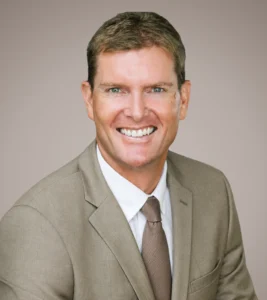
Eduardo Briceño is a global keynote speaker, facilitator, and guide supporting leaders cultivating growth mindset cultures. Prior to that he was the CEO of Mindset Works, the pioneer in growth mindset development services, which he cofounded in 2007 with Stanford professor Carol Dweck, Lisa Blackwell, and others, and led for over a decade. Before that he was a technology investor with Credit Suisse’s venture capital arm the Sprout Group and served on several for-profit and non-profit boards.
Eduardo’s TEDx talk on growth mindset and TED Talk on the Learning Zone and the Performance Zone have each been viewed by millions. He is a Pahara-Aspen Fellow, a member of the Aspen Institute’s Global Leadership Network, and an inductee in the Happiness Hall of Fame.
Mission Wealth is a Registered Investment Adviser. This commentary reflects the personal opinions, viewpoints, and analyses of the Mission Wealth employees providing such comments. It should not be regarded as a description of advisory services provided by Mission Wealth or performance returns of any Mission Wealth client. The views reflected in the commentary are subject to change at any time without notice. Nothing in this commentary constitutes investment advice, performance data, or any recommendation that any particular security, portfolio of securities, transaction, or investment strategy is suitable for any specific person. Any mention of a particular security and related performance data is not a recommendation to buy or sell that security. Mission Wealth manages its clients’ accounts using a variety of investment techniques and strategies, which are not necessarily discussed in the commentary. Investments in securities involve the risk of loss. Past performance is no guarantee of future results.
"*" indicates required fields
By providing a telephone number and submitting the form, you are consenting to be contacted by SMS text message and agreeing to our privacy policy and disclaimers. Message frequency may vary. Message and data rates may apply. Reply STOP to opt out of further messaging. Reply HELP for more information.

Client Development Advisor
or call us: 805-902-4550
"*" indicates required fields
Schedule a complimentary 30-minute discovery call to discuss your unique situation and financial goals.
Prefer a phone call? Call us: 805-902-4550
For general inquiries: click here.
By providing a telephone number and submitting the form, you are consenting to be contacted by SMS text message and agreeing to our privacy policy and disclaimers. Message frequency may vary. Message and data rates may apply. Reply STOP to opt out of further messaging. Reply HELP for more information.