





7:03
Should You Move to a Retirement Community? | Steph Bruno Mission Wealth
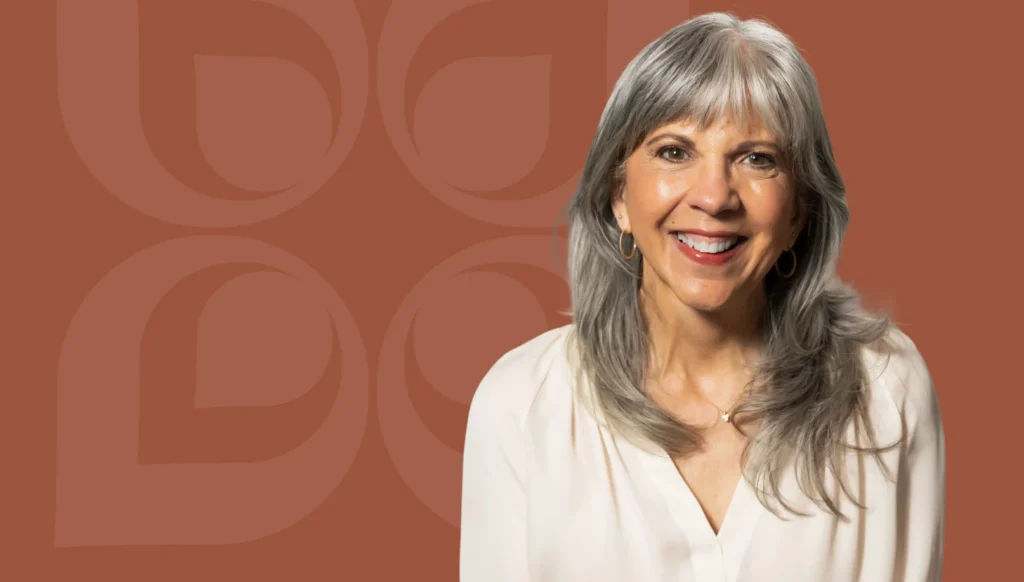
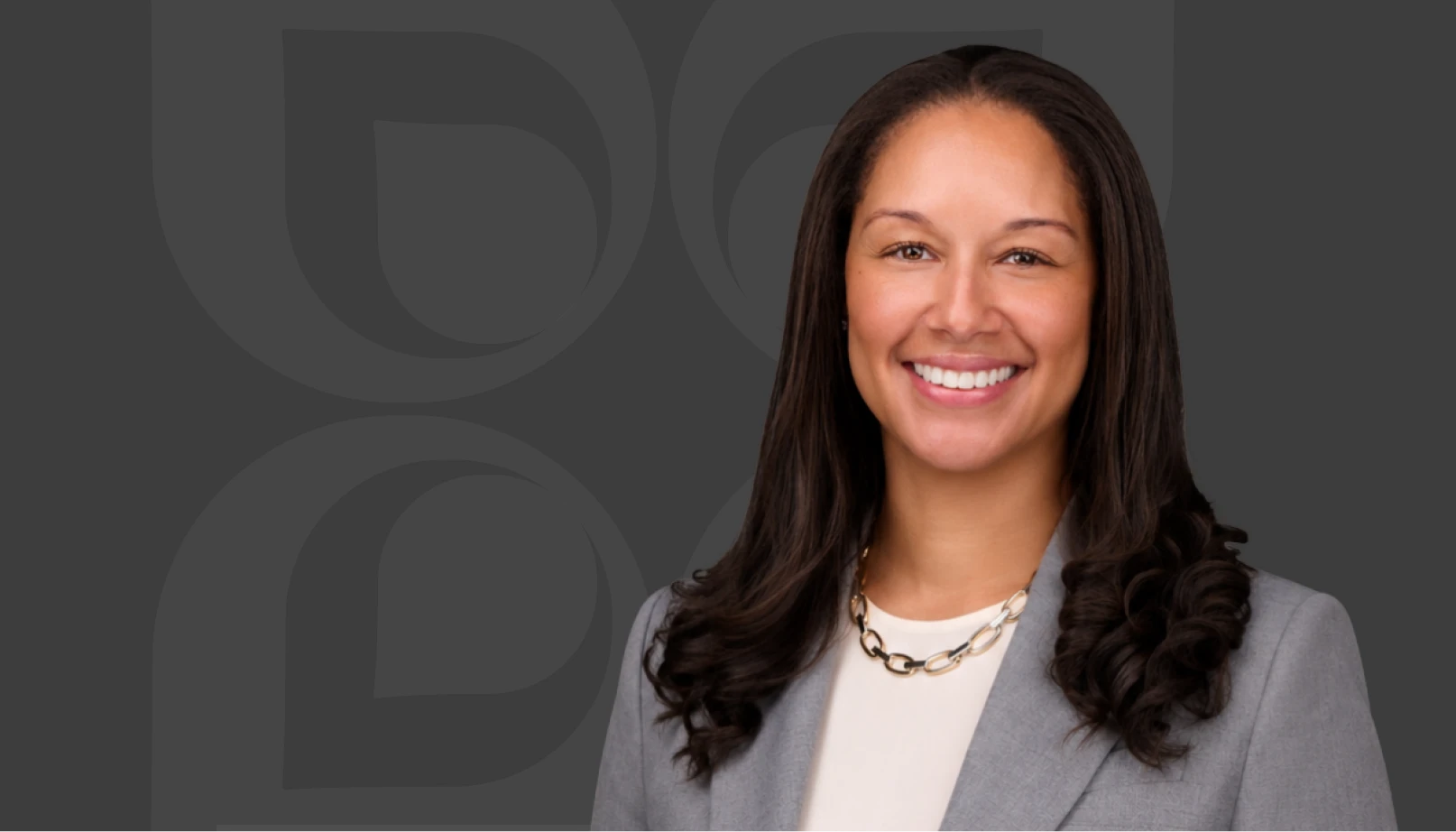
Hello, I’m Steph Bruno. I’m a partner and senior wealth advisor at Mission Wealth. And today I’m here to talk to you about some behavioral obstacles to moving to a retirement community. So, if you’re facing this challenge yourself or trying to help a loved one, we’ve got some great information that I hope will help you out. So, when it comes to making one of the biggest lifestyle decisions of your life or your family member’s life, where you’ll live as you get older, you might think it’s mostly a financial decision, but research tells us it’s something different. The truth is the biggest barriers are often in our own minds. So, today we’re going to explore three powerful behavioral biases that get in the way of smart retirement housing decisions and what we can do about them. So the first one is status quo bias. Have you ever thought I’ve lived here for 35 years, why would I move now? That feeling has a name. It’s status quo bias. It’s the very human tendency to prefer what’s familiar. Our current home, our routines, our neighborhood, even when that environment no longer meets our physical, social, or medical needs. So here’s the danger. Status quo bias often lead to what researchers call passive aging in place. We stay put not because it’s the best choice but because change feels uncomfortable. And when we delay too long, say a health crisis forces a decision for us under stress with fewer options and we have greater costs. So what can you do about it? Behavioral scientists recommend what’s called active choice framing. So instead of asking, should I move? You flip the question. Given what I know about my future, what’s the best plan and when should I start it? As a financial planner, here’s how I put that into practice for clients. First, we lay out the true cost of aging in place side by side with other options like continuous care retirement communities or assisted living facilities, including home modifications, part-time care, and the overlooked cost of social isolation. We know social isolation can often lead to increased aging. We build narrative-based timelines. So, stories that show the difference between a proactive transition planned on your terms versus a reactive one made in crisis. Wouldn’t it be better to pick out the place you’d like to go uh instead of having somebody else pick it out for you? Um, also, I find when clients go to look at places, more than 50% of them really enjoy it and make that decision to go ahead and move someplace. So seeing these paths side by side often changes everything. The second one is normaly bias. Here’s a question. How many of us plan for the unlikely? Most of us assume tomorrow will look a lot like today. That’s normaly bias. The tendency to discount rare but impactful events. We assume the future will closely resemble the present. A sudden fall, a stroke or early onset cognitive decline. These feel very remote until they aren’t. Normaly bias is actually well documented um also in disaster preparedness research. So people who don’t believe a hurricane will hit them wait too long to evacuate. The same cognitive pattern plays out in retirement planning. So retirees avoid planning for care until there’s a crisis and at that point their choices are more limited and it’s usually far more expensive as well. So what can you do about it? The antidote is making the invisible visible. We do that in two ways. First, we model emergency care transition scenarios. What does it cost if I need a placement to a facility urgently, including wait times, private pay rates, and family disruption. We also use risk overlays in the financial plan. So these are visual tools that show the statistical probability of needing long-term care at different ages. Suddenly the unlikely has a number attached to it. When you can see the risk mapped out on a page becomes a planning problem and not a fear. The last bias is optimism bias. Now optimism is a wonderful thing but when it comes to planning it can work against us. So optimism bias is the belief that bad things are more likely to happen to other people than to us. Uh people might say, “Oh, I’ve always been healthy.” Or, “My kids live nearby. They’ll take care of me.” Or, “I won’t need a nursing home.” Here’s a reality check. According to the US Department of Health and Human Services, roughly 70% of us over 65 will need some form of long-term care at some point in our lives. And yet, optimism bias leads people to delay critical decisions and to dra dramatically overestimate what family members will be able to provide without fully accounting for caregiver burnout, geographic distance, or their own careers in families. So, what can you do about it? Well, the goal is not to be pessimistic. It’s to be realistic. We use a technique called cognitive debiasing. So, we’re going to replace our gut feelings with some actual information. We can compare actual family caregiving capacity with realistic care burden projections. How many hours per week can your family members give up to help you? How long can they do that for? And the financial impact of a family member reducing their work. We can also evaluate financial protection options. So, we can look at traditional long-term care insurance, hybrid long-term care, which is a combination of both life insurance with long-term care. Or we can also just look at the contingency that doesn’t rely solely on hope. What where is the money going to come for to provide this care? So, planning for the likely is not just preferred. It’s what separates good retirement from a great one. So in closing, we’ve got status quo bias, normaly bias, and optimism bias. Three very human tendencies, and three very real obstacles to making one of the most important decisions of your life. The good news is awareness is the first step. And working with a financial planner who understands both the numbers and the psychology means that you can make this decision on your own terms with clarity, dignity, and confidence. If any of this resonates, I’d love to talk.
In this video, Mission Wealth Partner and Senior Wealth Advisor Steph Bruno discusses three behavioral biases that often influence the decision to move to a retirement community—from the pull of staying in a familiar home to underestimating future care needs and assuming things will always stay the same.
Learn how status quo bias, normalcy bias, and optimism bias can delay important retirement housing decisions, and how thoughtful financial planning can help you evaluate options early, compare costs objectively, and make decisions with greater confidence and control.
Read the full article to explore practical strategies for planning ahead and making retirement living decisions on your own timeline: https://missionwealth.com/moving-to-a-retirement-community/
Have questions about retirement housing, long-term care planning, or supporting aging parents? Connect with our team and consider working with a behavioral wealth advisor who can help guide these decisions with both financial and emotional clarity: https://missionwealth.com/behavioral-finance/
Mission Wealth is a Registered Investment Adviser. This commentary reflects the personal opinions, viewpoints, and analyses of the Mission Wealth employees providing such comments. It should not be regarded as a description of advisory services provided by Mission Wealth or performance returns of any Mission Wealth client. The views reflected in the commentary are subject to change at any time without notice. Nothing in this commentary constitutes investment advice, performance data, or any recommendation that any particular security, portfolio of securities, transaction, or investment strategy is suitable for any specific person. Any mention of a particular security and related performance data is not a recommendation to buy or sell that security. Mission Wealth manages its clients’ accounts using a variety of investment techniques and strategies, which are not necessarily discussed in the commentary. Investments in securities involve the risk of loss. Past performance is no guarantee of future results.
"*" indicates required fields
By providing a telephone number and submitting the form, you are consenting to be contacted by SMS text message and agreeing to our privacy policy and disclaimers. Message frequency may vary. Message and data rates may apply. Reply STOP to opt out of further messaging. Reply HELP for more information.

Client Development Advisor
or call us: 805-902-4550
"*" indicates required fields
Schedule a complimentary 30-minute discovery call to discuss your unique situation and financial goals.
Prefer a phone call? Call us: 805-902-4550
By providing a telephone number and submitting the form, you are consenting to be contacted by SMS text message and agreeing to our privacy policy and disclaimers. Message frequency may vary. Message and data rates may apply. Reply STOP to opt out of further messaging. Reply HELP for more information.
For general inquiries: click here.