
No results can be found
39:20
How Do I Know If My Estate Plan Is Set Up Correctly?
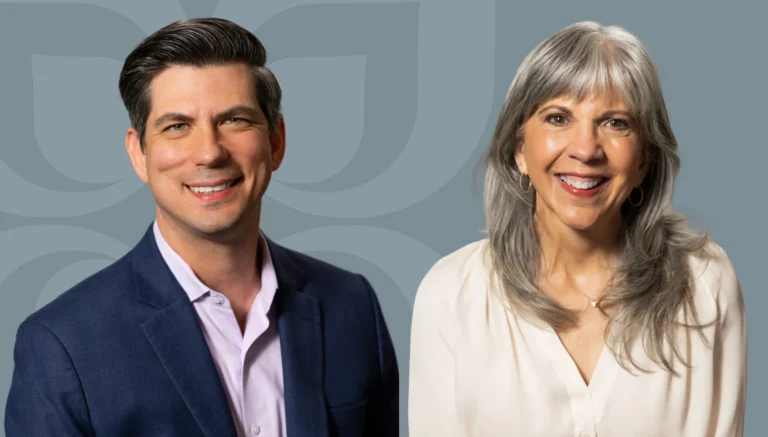
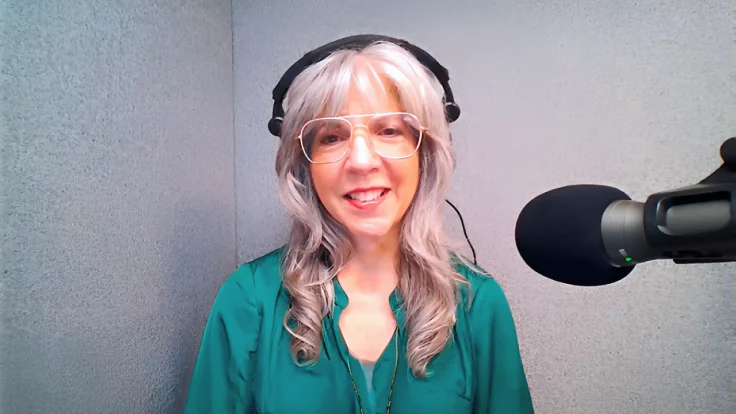
Would you rather your family inherit your values or inherit your wealth? And most times the family’s going to say, you know, I want them to get my values because the values is what helped me build this wealth. I myself don’t have my own estate plan completed. I laugh about it cuz there’s nothing else to do. But the idea for me of naming a guardian for my very young children, [music] um, I don’t know. I just can’t get myself to do it. the decision. It It’s important and it’s emotional, so it kind of just becomes paralyzing. I’m really excited [music] about this episode because estate planning is one of those topics that people think paperwork, documents, signatures, but what we’ll talk about uh today is estate planning is really so much more than that. It’s about family. It’s about values. And it’s about whether that estate plan is actually ready for real life. I’m joined today by Andrew Kula. Andrew is a partner and director of estate strategy here at Mission Wealth.
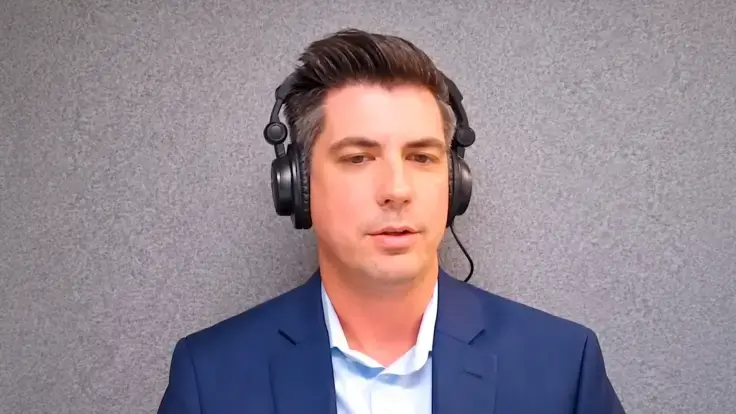
He is a JD, a CFP, and CAP. Uh and he helps clients through estate planning, charitable strategy, figuring out how wealth can support the the people that matter most. Uh so Andrew, I’m very happy to have you here. Pleasure to be here, Jenna. So before we get into the technical side of estate planning, which there’s a lot of technical pieces to it, I’d love to start a little bit um more hearing about you personally. So can you share how you got drawn into estate planning? Yeah, so estate planning is not something people usually uh when they’re four say this is what I want to grow up and do uh in the future. Usually it’s something that comes to you later on and for me it was that way. I personally benefited from good estate planning that was done in my family and also got to see what happened when there maybe wasn’t full estate planning done as well. Uh so as I was growing up and going down my path I was considering law school. I had an interest in tax.
I had an interest in kind of foreign relations things like that. And so I decided to go to law school after spent a year doing uh tax prep work in a CPA firm before that. But went to law school, got my JD, went and worked uh in the legal field for a while doing corporate work, which is a little impersonal. Uh and so I had this opportunity to get into estate planning because I wanted to be working with people more, right? Getting to actually get into the weeds with folks, understand them, understand their hopes, desires, and wishes. I was drawn to estate planning because of some things that happened within my own family, right? My grandparents uh as part of their planning helped set up funding for me as a child. They set up some some brokerage accounts for me as a kid and they bought bonds for me and things like that. So, I had the some funds to at least help support me while I was going through law school. I didn’t necessarily have to take on as much debt as others uh did.
I also was able to see how when one of my grandparents passed, my grandmother, she was well supported by the way that my grandfather had set everything up so that even as he progressed through his Alzheimer’s disease, she was well taken care of. She could act on his behalf, the rest of the family could continue to support her. And as she had dementia as well, she was well taken care of. We had a thick binder of here’s every single thing I want. And so I was able to just watch that and see, you know, this is this is great because this is one, I’ve benefited from it, but two, the burden is not so great on everyone. Um, and so getting involved with families and seeing how can I make a difference in other families as well was something that drew me into this. So as I got into the estate field, I really enjoyed just getting to know people and getting to know what they wanted to do.
I drew into the wealth I came into the wealth management space uh because on the estate planning front you only go so far and after that the relationship kind of ends and in the wealth management world what’s great about being an adviser is that you get to become a second pillar within a lot of families right you’re that second phone call when something happens so I wanted to go deeper with those relationships with the clients that I was working with and so that’s how I got into the wealth management space and what’s great about that mission is I get to do both of these areas where I’ve been involved. I get to work with families, understand what they want their ultimate legacy to be and help them accomplish that and help the rest of the clients throughout our firm u make sure that their legacy plan matches with what their hopes, wishes, and desires are. Yeah, it seems like I I feel like I think of estate planning as being so technical, but really it’s just people and their values.
Yeah. At the end of the day, it’s how do we put in place what are is deep inside us, what we actually want to accomplish. There is the technical piece. The documents are dry and that’s that’s that. But the fun part is making this human, right? Taking the documents and turning them into the actual legacy plan. Yeah, absolutely. Um, I feel like we have a lot of topics to cover today, but before we talk about what makes a plan work really well, uh, I think we should probably start with acknowledging that a lot of people avoid this topic. Oh, yes. And I’ve seen in working with clients myself, um, I’m, you know, continually asking, okay, have we made any progress on the estate documents and trying to keep the conversation moving and make sure something gets put in place. Um, and I get it. I myself don’t have my own estate plan completed. And I think I laugh about it because there’s nothing else to do. But the idea for me of naming a guardian for my very young children, um, I don’t know.
I just can’t get myself to do it. And I realized that, um, the decision it it’s important and it’s emotional. So, it kind of just becomes paralyzing. So the rest of the piece probably is pretty easy. Uh but that one guardian aspect is really um causing a hang-up for me. Uh so what I would be really curious to hear from you is why do you think so many people delay estate planning? Yeah, it’s a great question and you’re in good company. 56% of Americans do not have an estate plan in place. There’s even a subset of that people who think that I’m not even going to have enough assets to even justify an estate plan. Mhm. Um but I think the part of the reason is one lawyers are not marketers, right? People think about estate planning and it is, hey, what do you want to happen when you die? Well, gee, if you come to me like that, of course, I don’t want to necessarily go through this. I don’t want to contemplate my own mortality. It’s a Tuesday. I don’t want to do that.
[laughter] I’d rather go watch TV or something. Uh so part of it is how do we approach this in a way um that that is acknowledging that that fear uh and helping make sure we have something come in place because it’s not just the discomfort with mortality. There’s all sorts of differences in this. There’s complexities involved with estate planning that you know it’s just easier to procrastinate and not put something in place, right? We can have very complex families. We can have the guardianship decision, right? Thinking about my kids. I hate thinking about it too. And it’s just it’s it’s a terrible thought. Uh as well, there’s other psychological pieces around how well thinking about money and thinking about where this goes and how who’s going to handle this and just the uncomfortable whatifs uh as well in all this. There’s just a lot that it’s such a if we had a crystal ball, this would be very easy to do. But none of us do.
And so that’s why it’s it’s hard to really feel that urgency to want to go out and and do this and get an estate plan done. Is there anything that you are doing with clients to kind of help move through that resistance or maybe make the process feel a little bit less overwhelming? Yeah, I think part of it is let’s take the focus off of again what happens when you die. If we’re going to make estate planning easier, we need to focus on the positive impacts that we come that can come from this, right? Right? We need to think about the legacy that we ultimately want to create and how do we make things easier for ourselves, easier for our family down the line, our beneficiaries down the line. Really think about it in the lens of who and what do I get to empower in the future, right? Estate planning feels really difficult on its face, but it really just boils down to a couple questions that we just need to answer and then we can tease out everything from there.
It’s really uh who gets what, how do they get it, and who’s in control after you. we can answer any question in estate planning essentially off of that. Uh and so if we can make this approachable, make it easy, frame it in a version of hey, this isn’t what’s going to happen when you die, it’s how do we set this up to really protect, preserve, and empower the wealth that you’ve built uh and what you’ve created for who you want it to empower and things like that in the future. That’s the way to go about it. Um, the other kind of way to think about it is I get to plan today for the future so that I don’t regret the decisions in the past that I made uh as well. Yeah. Yeah. I mean, it’s it’s not that people don’t care, but it’s that they care so much that the decision feels really heavy. So, I think kind of boiling it down to those three kind of key questions maybe makes the decision just feel a little less heavy, more like, all right, I can tackle this. Yeah. Exactly.
You know, and the thing is, everyone does already have an estate plan in place. It’s just what the state says is going to happen to your stuff when you pass away. A lot of us, if we knew what the state rules are, we probably would say, you know what, I don’t actually want that. That’s not what I want. So, you know, this is just taking control and being able to be the one that says, “This is what’s going to happen, and I’m going to be able to make those decisions for myself.” Um, it’s it’s the way to it makes us a lot better. Yeah. Well, I think a lot of people um hear estate planning and they think, “Well, I signed the documents. I’m done.” Like, yay, I got that heavy burden uh you know, complete and finished with, but I know one of the things that I’ve heard you emphasize is the documents are really just, you know, a piece of the plan. It’s a part of the plan. It’s not all of it. Can you talk a little bit more about that? Yeah.
So, documents, signing documents is just one part of the puzzle, right? There’s a great song, Signed, Sealed, and Delivered. Fantastic song. not the way to think about estate planning because that’s just part one. Uh from there, it’s making sure, hey, we have to actually implement this and make sure it’s executed well and everything matches with what we’ve said we want to happen in the documents. So, for example, if I’m doing a revocable trust, I want to make sure that I fund that revocable trust. A revocable trust is like a uh it’s like a big Tupperware that you put under your bed and you store things in it for later, right? If I don’t put anything in there, well, it’s just an empty Tupperware. There’s nothing that I can give to somebody else in the future. It’s not really worth anything to me. So, I have to make sure I retitle assets into that trust if that’s where I’m going down on this path. A lot of people also forget that beneficiary designations are a key part of an estate plan.
Beneficiary designations override any document you put in place. So, we want to make sure that we are looking at what we do on our beneficiary designations. Does it align with what I’m saying in my documents? Uh sometimes, uh they don’t. And we need to make sure that this all matches up with what we want because we can have outcomes we don’t necessarily intend uh down the road. And then it’s not just a set and forget kind of thing either, right? This is right. I’ve set it up. I’ve checked everything. Okay, great. Well, if we all think back 5, 10 years ago, our lives were probably a lot different then than they are today, right? Our lives have changed. Our family changes. Uh our job situations changed. The tax laws have changed over the last 5 10 years significantly. Um so we need to make sure we’re we’re going back and just doing some well checks on it, too. Yeah. I’ve never heard that Tupperware analogy before.
Um, and I think that it’s actually really relevant because that is a question that a lot of clients ask. Well, how do I know if my trust is funded? What is the difference? My house is a trust. My investment account is a trust. So, I think there’s a lot of confusion around what a trust is and what is also in a trust. Um, so I might I might take that Tupperware analogy from you. That’s a that’s a really good one. Oh, there you go. Workshopped it a little bit here for today, so perfect for you. I love it. Um well maybe let’s talk a little bit about where plans often break down. Um because I think people can maybe have a false sense of security of uh trust is done. Yeah. Uh there’s a a properly uh setup estate plan may work on one day but it may not work the next day. But part of it is let’s just understand what’s in these documents.
So, where these plans can break down a lot is I’ve got an idea of what my documents say and what my beneficiary designations look like, but they don’t actually we haven’t actually cross-cheed that to make sure it does. Um, so often where you see a breakdown is on the misalignment between beneficiary designations and estate documents themselves. Um, again, just making sure is this set up in the way that I would want everything to flow. Does it match the trust? Does it or the will? Does that match what’s on my beneficiary designations? Um, the other big breakdown is assets are not titled properly. The big one that you can see is if I’ve set up a trust and I have my home, I have not done the deed that transfers my home into my trust. And so we just think, well, I’ve signed again talking about we’ve sign we say we sign the trust, everything’s done, right? No, I need to make sure that that asset actually gets into the trust.
It’s a little bit more leg work to do it now, but it’s going to save the family a lot of work in the future. So, one is making sure the documents actually reflect what you want. Two is making sure that your assets are in the trust. Three is making sure that there’s alignment between assets that are not going to be necessarily flowing through the direct estate plan, the document piece of the estate plan, and what’s on those beneficiary designations. I’ve heard you share a story before about um a client you’ve worked with and where they thought the surviving spouse would receive one amount and then the document said something very different. So it sounds like that is, you know, maybe a good story to share relative to um kind of that misalignment aspect. Yeah, it’s a great story. Not from necessarily that client fortunately was something that was able to be caught too.
Uh but where you can see this example of the misalignment because between our understanding of the documents and what this would actually look like in the future [snorts] depending on the order that this in this family with one spouse who passed versus the other, the outcomes were significantly different. Uh the client, the way they had set this up is they thought, “Okay, I’m going to leave 50% to my spouse and I’m going to leave everything else to my kids and that’ll be fine. This is what I want. I want to make sure that my spouse is taken care of. I want to give something to the kids at that point, too.” Um but when we dug into the documents, uh it was actually more like 10% was going to go to the spouse when we broke down, okay, this is the math on what’s said in the trust document and what’s said on the beneficiary designations.
So that would have left the spouse in a real lurch as well because they also needed these assets to make sure that they can maintain the same standard of living after uh the client passed away. So that was an example of look it’s important to just go back through these and make sure this actually aligns with what you want where life still matches things as well because maybe your life circumstances have changed since the documents were put in place but just making sure everything aligns with your understanding of it uh when this was set up. Mhm. Yeah. I mean, so amazing that it was able to be caught before it became a problem, right? So that’s really exactly why you want to be looking at it and thinking through that. I feel like we’ve been talking a lot about issues with the state plans or preventing problems with the state plans, but that’s not the only reason to review this.
I feel like there’s also opportunities um that maybe somebody hasn’t fully seen um or gives even their adviser a way to really make an impact whether it’s from a charitable standpoint or for another um from another aspect. Do you have any examples of that with your work with clients? Yeah, this is one of the most fun parts of what I get to do is really dig in deep with clients. say, “Okay, well, this is what your estate plan says, and let’s layer it on top of your financial plan.” Because we really believe here at Mission, all our adviserss believe that financial planning involves estate planning. Estate planning is financial planning at the end of the day. So, with one client, we took her financial plan and we layered her estate plan on top of it. And she was living well within her means. She had a great financial plan. I mean, she was living well within her mean, so her portfolio was continued to grow. Her net worth was going to continue to grow over time.
Uh, so everything looked really good there. um her estate had uh some significant charitable giving intentions in it as well. Um she wanted to make sure she was providing for family, but she had a large component that was going to go off to charity. And if you just looked at it on a percentage basis, great. This all looks pretty normal. 25% going to charity, 75% going to family. No problems there. But what we could then look at is we say, “Well, let’s layer this on top of the financial plan. Here’s where this heads. That 25% was going to be a significantly large amount uh in the future if all those projections held. So, this is something where then we could open the conversation and make it a little bit broader and say, “Look, this is the amount that’s looking like it’s going to go to charity. Would it make sense to actually go in and we can now have more specific conversations with the charities that you want to support?
And we can start setting up maybe specific programming with those charities to one further their missions, but also more directly support what’s most important to you with these groups rather than just the funds going into their general charitable fund. and they could do whatever they want with with those. And so this is a really powerful moment because then she started to think about, wow, what kind of impact can I make with the legacy that I’m building? And by the end of the conversation, it was it was there was a fantastic moment. She’s actually crying a little bit, not because she was sad about anything, but because she was be able to visualize this ripple effect that her wealth is going to create out into the future. So, this wasn’t just us talking about, hey, you’re going to pass away one day and here’s what happens or here’s the taxes that might come in or here’s how what your documents say.
We were able to shift the conversation to more focused on purpose, more focused on impact, more focused on the values that are important to her. Making those bringing those in, making that a tangible realization uh uh for the future. Yeah. and getting to enjoy the benefit of and seeing the benefit of where those funds are going and who they’re helping uh now versus later. Um it’s a good reminder that estate planning doesn’t have to be something people avoid, right? It can be something that actually turns into a meaningful impact. I know. [laughter] Um that’s that’s that’s a really special story. I I really love that. [gasps] Uh well, I’ve heard you talk before about trustee selection and how it’s often a lot more important than people even realize uh naming a trustee. So, can you talk a bit about that? Yeah, trustee selection is very important. When we think about estate planning, I mentioned there’s three questions that this always comes back to, right? Who’s going to get what?
How do they get it? And then who’s going to be in control after you? And this is where that third question really comes in. It’s who’s going to be handling everything for you? who’s going to step into your shoes and make sure that your plan is carried out. So, on its face, the trustee role doesn’t seem like it’s going to be that much. So, they’re going to just read the document and they’re going to say, “Here’s who gets what and we’re going to divide it all up and it’ll be done.” But, it can take significant work. Uh, it can take significant judgment basing on based on the assets that you own and how things are supposed to be split. It’s going to require communication. Most states have specific rules about notices that have to go out and information that has to be provided and information that has or records that have to be kept as well. Um, so a lot of folks they think, well, if I’m going to name trustees or my financial power of attorney or my executive on my will, this is easy.
I’m going to name the oldest child and then go down the birth order uh and and that’ll be resolved. Um, for some folks that works, but that maybe doesn’t take into account where does each child live, right? There might be one that lives closer, uh, that has more ability or availability. On the ability side, uh, we see this often on the medical power of attorney side. Maybe I’ve got one child who’s in the medical field uh that could use their knowledge uh maybe to make decisions or remove the emotion potentially from the decision-m process uh as well. Um the dynamics between kids as well or just the family members.
That’s an important consideration when thinking about the trustee because if I name two to serve together or one child to serve as trustee and there’s you know the other children that they have to communicate with their siblings we have to think about that dynamic and if they’re going to be able to handle that is that if that’s going to uh impact that relationship that they have. So trustee selection is important. We need to be able to think of who could handle this responsibility, who’s going to be able to recognize I also need to delegate some of this authority and bring in other individuals to help me out, other professionals to help me out in this uh process. So, some people say, well, I just want to make this fair, so I’m going to name everyone or I’m going to make it fair and do it in a birth order. Uh, but that doesn’t always mean that that is equal or the right choice uh doing it that way.
Sometimes being fair means we need to design around the circumstances within our own personal uh personal situation, the strengths of each one of our potential fiduciaries, the responsibilities that they may have at the time and just frankly their own maturity levels to be able to handle this. Yeah, absolutely. I think people also don’t realize that there are professionals who will do that job as well that you can hire to take on that job. And I I actually have a client um worked with three generations of their family and when her parents passed away, she was named the trustee and there’s I think six or seven grandkids all have age limitations. So at 30, at 35, she’s the trustee and she’s managing this for her nieces and her nephews and managing essentially like six different uh trusts and it’s it’s a lot. Yeah, that’s that’s a full-time job just doing one. Yeah, there’s a lot that goes into it with the tax return filing and approving distribution requests as well.
So someone, you know, as the trustee, they’re coming to you and saying, “Okay, I’d like funds for this wedding or to buy this car.” So you’re that judgment call as well um can can make things complicated. You know what I’m curious about actually is how do you handle shared assets like a vacation home or maybe a family business that has to get so complicated? Yes. Uh this is where when the trustee selection becomes important. Uh but also just understanding maybe the complexities that can come along with that. So, if I’m having to handle a shared asset, uh, like a family vacation home, if I think, well, you know, this is something we’ve had in our family. We’ve had this lakehouse in our family, uh, and I want the kids to to have this because we have such great memories there, and I want them to be able to use it with their families, uh, and continue to build those those memories. It’s a great thought uh, at its at its base level, right?
But we have to go through and think about, okay, what are all the logistics involved with managing that, right? It’s one thing to just say, well, say it’s a family of three. All three kids own it equally now and they have equal rights to use it. Great. Well, what about expenses? What about the property taxes? What about if one of them wants to sell and the other two don’t, right? What are we going to do in these situations? And if one of them is the trustee to manage that um they get to make the decisions um as well on all this. So it’s a great aspirational goal. I want the family to use this home to continue on the legacy that we’ve built and have these great shared memories. But with when we start talking about shared assets like a vacation home or even the family business like we need to really set this out to be run like a business. We need to say here’s specifically what would happen uh if someone wants to get out.
We need to say who is responsible for the expenses and what happens if someone is not paying their fair share. We’ve had a client we worked with very similar situation. They had a beach home, left it to the kids. Uh they all had equal rights to it, but the majority of them weren’t paying the expenses on it. and and it put the one who was managing it and paying the expenses in a bind because now they were starting to be out of pocket, their own personal pocket to pay for the expenses. They didn’t want to continue to to own the property because it was a it was a drag on them. The business is an interesting uh thing to think about. Family businesses are interesting in the estate planning context because you can have different levels of involvement that each one of the family members has had over time. You may have one child who’s very involved running the business. We work with another client where they’ve got five kids.
One has been the one uh to manage the business alongside mom and dad uh over the years. The other four have had really nothing to do with it. Uh but when something happens, if something were to happen right now and the way that’s traditionally planned for, it’s well, I’ll just leave it all to all five kids and they can take over. How’s it going to feel to that one who’s been managing it? and the other four may want, you know, to continue to earn income off of that, but they’re not putting anything into it necessarily. Um, so there’s a there’s a fair versus equitable uh piece or decision process, but it all goes back to the more we can lay out specific provisioning for scenarios uh with these types of assets, vacation homes or family businesses, um the better off it will be for the family in the future. Even though it feels cold and unfeilling and this is now just a business transaction, it really sets up the family for better success in the future. Yeah. Yeah.
I mean, planning now can preserve those relationships for the future, I think, is is really um you know, the way to to think about it. Making sure um you know, the family has the highest chance of working together uh you know, once their family members are no longer with us. Um, I do want to talk a bit about wealth transition and not wealth transition that’s gone bad because there were bad documents or they there were no documents in place which uh, you know, could happen. Uh, but more so because families haven’t really prepared the next generation. Um, maybe they haven’t had values conversations with their family about what they want or even just shared what their plan is. Um, I think that could kind of be interesting to to hear a little bit about from your experience. Yeah, I mean there’s been a lot of spilled about the great wealth transfer that’s coming and how, you know, it’s 124 trillion dollars that are going to pass over the next 20, 30 years. Wow.
[sighs] Um, yeah, big numbers. Um, but when we look at wealth transition, there’s some staggering statistics right now um about what level of success is there when wealth transfers from generation one to two and to three. Uh and in some long studies that they’ve done on this that have been done on this, we’ve seen that when Gen One passes on the wealth to Gen two, 70% of the time by the end of Gen Two’s lifetime, the wealth that was created is gone. And 90% of the time by the time we get to the end of Gen 3, the wealth is gone. So there’s the deck is already stacked uh against families right now with successful wealth transition. But I’m not here to focus on the negative, right? Let’s talk about how do we have successful wealth transition. And in the studies, they’ve shown it’s not necessarily taxes or wasteful spending that have been the issue. It’s been the biggest contributors to success for wealth transition. 60% can be attributed to open communication amongst the generations.
Now, that doesn’t mean I’m giving a balance sheet to the kids and saying, “Here you go. Here’s how much we’re show we have right now, and here’s how much we think you’re going to get.” It’s more let’s talk about what the our family values are. Let’s talk about what our belief for this wealth is, what it should be used for. Um how it’s here to empower you and then continue it to empower the next generation. What is it for? The second largest contributor to success has been the preparedness of the heirs to take over. Right? If I just hand over a pile of money to the next generation, well, there’s no context now that I’m receiving that and I need to really think about, well, can they handle this money? Or if they can’t, what do we need to put in place to make sure that they are protected so that the funds are still there to again support them but not be necessarily wasted uh for that generation and then we don’t get to get it on to the next.
Um, it’s really just looking at the heirs and saying, “Okay, could you handle this today? If if not, if this is where we are today, let’s what do we need to do now to start preparing you to take over?” Financial literacy is a big component of all this and making sure that they’re ready to go. Make sure they have their own financial plans and are ready to do their own budgeting uh, as part of all this, but really just making sure they’re ready to take over when the time comes. Yeah. Yeah. 60% um, due to open communication. Like that’s that’s really huge. Um are you having those values conversations when you’re working with clients? Yeah, I think the value conversation is the key component to this, right? Because right now if we just have a set of documents that we’re passing on assets, that’s that’s a plan, but it’s it’s not the full plan. I think if you can think about estate planning is just a part of the puzzle.
Legacy planning is really what we want if we’re going to do if we want to have successful wealth transitions. Um because then we can actually pass on context, values, intentions, family history, and clear sense of what the wealth is for. So for these values conversations, right, there’s a couple ways to go through these. One of the questions I really like to ask is, well, what does it mean to be a Kula or what does it mean to be a Rogers? and really have the family start to unpack that uh and really think about okay what does it mean what is important to us uh from a value standpoint um how another great question and you can really see the gears turn when you ask this is would you rather your family inherit your values or inherit your wealth and most times the family’s going to say you know I want them to get my values because the values is what helped me build this wealth right so really just starting to pull it back and think about those.
And then being able to identify what our values are, list out stories that we want to share with the family and have those preserved for the family to look back on later in the future when we may not be able to share them anymore. Um, lay out expectations, lay out the principles of the family. Um, those are critically important for these conversations and making sure we have successful wealth transfer. So, it’s it’s not we’re not starting with numbers anymore. We’re starting with values and that’s how we can prepare the heirs to take over because we’re not just again showing them a balance sheet and saying here’s what it’s going to be. It’s a conversation around this is who we are and this is what we want to continue to be in the future. Yeah. And that that sticks. I mean I I actually my um my four-year-old we’ve been working on our family values for a while now and um we call it the that we’re the Rogers Family Circus.
And um we have picked out five values as a family and we talk about them often, but I had a babysitter on Tuesday night that we had never used before and she came highly recommended by a friend. Um so I trusted her, but I realized that we didn’t know her last name and she didn’t know ours. [laughter] So she when we came home, uh we were at a concert, my husband and I, we came home and she said, “I’m so sorry I didn’t ask what your last name is.” And I said, “Rogers.” and she said, “Oh, well that’s funny. I asked Tuxley, so my four-year-old, what your last name was.” And he paused and he goes, “The Rogers Family Circus.” [laughter] And she said, “Wait, that’s your last name?” And he said, “Yeah, Rogers Family Circus.” [laughter] So, I don’t think the values conversation is sticking yet with my four-year-old, but I think we’re getting somewhere. At least it’s sticking. It Gosh, you could have said something worse. Uh, but it certainly could have.
That’s a great that’s that’s great because it is landing in some form or fashion with them. Yeah, we we laughed about it. Um I’m curious if you have any suggestions of when is a good time to have those values conversations with your with families. I anytime is a great time to do it. Now, not every venue may be the right venue, right? If you’re at a monster jam, uh that might not be the time to talk about your family values unless you guys are really committed to smashing cars or something like that. But, you know, family gatherings um around maybe certain events is usually a good place to to start these. So, Thanksgiving, right? Thanksgiving, we’re already primed to be thinking about gratitude. Uh aside from stuffing our faces and watching football all day, Thanksgiving is about gratitude at the end of the day. So, if we’re all together, that might be a great place to start talking about, well, what are we grateful for? Like, what in our family are we grateful for here?
Uh so, that’s always a good place. uh to try and have these types of conversations. Some folks what they’ll do and is they’ll get together close to the end of the year. We see a lot of charitable giving. Maybe this is something where we get the family together and we talk about, hey, this year we wanted to we want to give uh but we want to give to causes that are important to you as well and have everybody share what is an important cause to them, right? And then we can do the giving that supports that. It doesn’t mean everyone has to be on the same page about what we’re supporting either. It doesn’t say we’re all going to pick one charity and that’s who we’re going to give to. It’s what’s important to you and finding the through line in all those different charities to help pull out maybe some values uh from that as well. I love that. Yeah.
Such a such a neat way to incorporate the family and incorporate the values, but then um you know, it’s not just my values, it’s also my children’s values as well as they’re kind of developing that, which is really really neat. Yeah. And that’s a great way to open kind of a more structured conversation in the future to start thinking about, all right, we want to set up some kind of family mission statement. Okay, we’ve already done this work a little bit on having conversations around the gratitude. We’ve been talking about our charitable giving. We already have some primers there. Philanthropy [snorts] is the best way to get in and start these conversations because everyone has a charity that they want to support in some form or fashion. And it doesn’t have to mean through, you know, giving funds. There’s time, there’s treasure, and there’s talent uh that we can give to charity. So everybody has one. U that’s a great way to start into that conversation potentially.
Another nice way to go about this is to do something called a legacy letter, right? We like to use legacy letters as a way to augment the document piece of the estate plan. But the legacy letter there is really to share again some of these stories that we want to give on to the family and have those remembered into the future. Talk about what our hopes and dreams are for the estate as we’re structuring it. maybe explain some of the choices we’ve made in the estate plan as well. Because if I just get a document and says, “Well, here’s what’s happening.” I don’t have any context again for why was this decision made. So, if maybe I’m setting up a lifetime trust for the kids and each one of them gets to be their own trustee, well, here’s the why behind why that was set up for protection purposes for you to use. It’s not meant to be something that you can’t access by any means, but this is why we’re setting it up this way.
So, that’s a a another great piece of the puzzle that is often not talked about uh because there’s not a real uh there’s not a legal format for legacy letters, but it’s something that can be super just as powerful as the rest of those documents in that package uh inside the binder uh down the line. Yeah, I bet. I mean, I could even would imagine the voice of that person is coming through that letter. Um, which is a really unique um, you know, way of uh, sometimes learning about the estate that your family members have that you didn’t even necessarily know about before. Um, or at least the details. Um well as we you know get get close to wrapping up is there any advice or if I was to say what’s one piece of advice from today’s conversation uh that you would want to uh offer listeners um what would you share? Yeah.
Um, I think the one piece of advice I would offer to folks whether you have documents or not is to think about what would I want to happen and remember that estate planning is easier and less painful when we do it proactively. I like to analogize estate planning to going to the dentist, right? Nobody really likes going to the dentist. Uh, apologies to any dentists that are listening to this, but you go to do your cleaning because if we wait, things get a lot worse, right? If we do the preventative cleaning, I would rather go to the dentist to do that then go and get a root canal. And so estate planning allows us to make sure that we are avoiding that potential painful root canal in the future. Yeah, I’ve had three root canals and I do not want to do those again. So, I can very much resonate with that one. [laughter] Oh, well, thank you so much, Andrew, uh, for joining me today.
This was, uh, incredibly helpful and, um, I feel like you you do such a good job at making estate planning feel so approachable and so human and for really just bringing it back to the people, bringing it back to the values. Um, so, thank you again. I really appreciate it. My pleasure. Glad to be here. Yeah. And thank thank you listeners. We’ll we’ll see you next time.
Mission Wealth is a Registered Investment Adviser. This commentary reflects the personal opinions, viewpoints, and analyses of the Mission Wealth employees providing such comments. It should not be regarded as a description of advisory services provided by Mission Wealth or performance returns of any Mission Wealth client. The views reflected in the commentary are subject to change at any time without notice. Nothing in this commentary constitutes investment advice, performance data, or any recommendation that any particular security, portfolio of securities, transaction, or investment strategy is suitable for any specific person. Any mention of a particular security and related performance data is not a recommendation to buy or sell that security. Mission Wealth manages its clients’ accounts using a variety of investment techniques and strategies, which are not necessarily discussed in the commentary. Investments in securities involve the risk of loss. Past performance is no guarantee of future results.
"*" indicates required fields
By providing a telephone number and submitting the form, you are consenting to be contacted by SMS text message and agreeing to our privacy policy and disclaimers. Message frequency may vary. Message and data rates may apply. Reply STOP to opt out of further messaging. Reply HELP for more information.
or call us: 805-902-4550
"*" indicates required fields
Schedule a complimentary 30-minute discovery call to discuss your unique situation and financial goals.
Prefer a phone call? Call us: 805-902-4550
For general inquiries: click here.
By providing a telephone number and submitting the form, you are consenting to be contacted by SMS text message and agreeing to our privacy policy and disclaimers. Message frequency may vary. Message and data rates may apply. Reply STOP to opt out of further messaging. Reply HELP for more information.