


55:21
Family Legacy & Philanthropic Considerations From Our Strategy Team | Mission Wealth
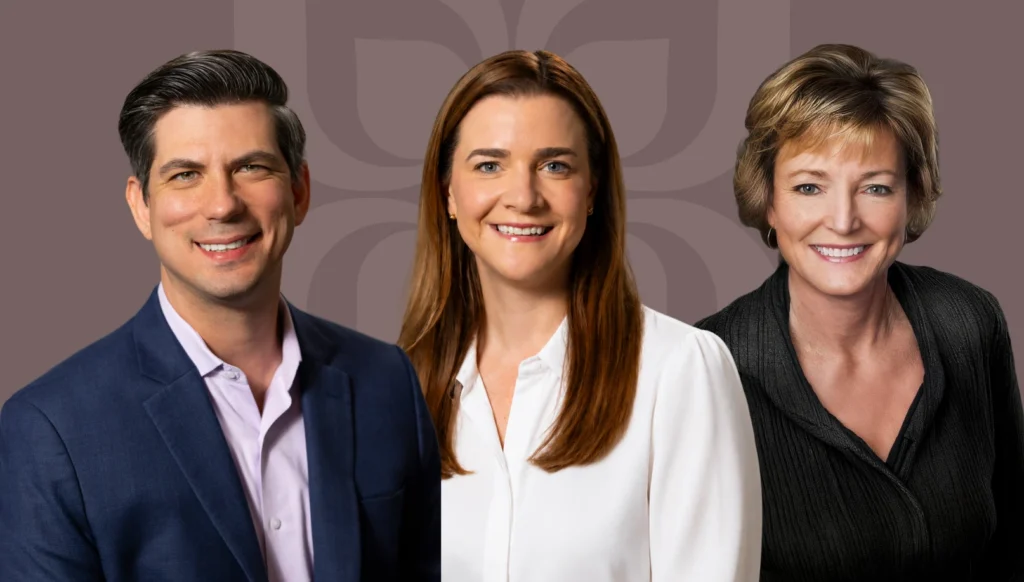
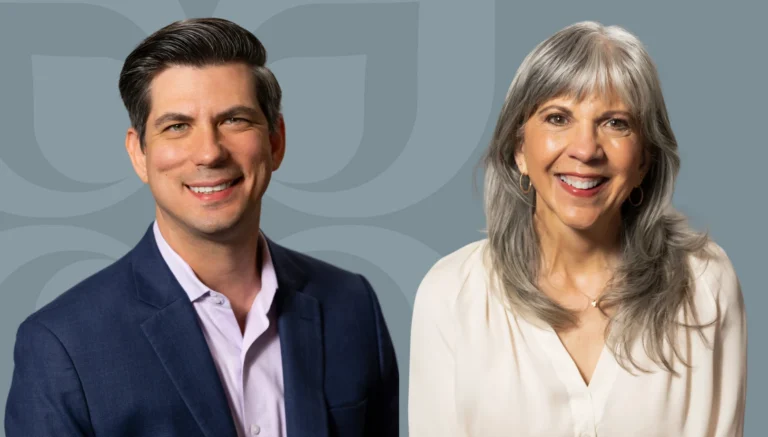
[Music] hello and welcome to our mission wealth yearend family Legacy and philanthropic considerations client event my name is Sarah Clark and I am Mission wealth’s director of client relationships I partner closely with our Wealth Advisors and our wealth advisor Associates to deliver an excellent client experience today I am joined by my two colleagues Andrew Kula and Amanda Thomas Andrew serves as our director of estate strategy where he provides comprehensive Estate Planning and Legacy solutions to our clients including wealth transfer asset structuring and Trust Administration as a former trust estate attorney and current certified financial planner Andrew is well-versed in trust estate planning Amanda serves as our director of philanthropic strategy and is also a certified financial planner Amanda guides and educates our clients on formulating effective philanthropic plans and implementing tax efficient gifting strategies before we get started thank you for sending in a number of impactful questions ahead of our discussion today we are looking forward to answering many of these questions throughout our
conversation our objective is to help our clients and Prospects better understand how to approach family Legacy planning for your estate plan and how to implement actionable ideas for incorporating philanthropy into your legacy planning to begin Andrew may we start with you how should our clients be thinking about Legacy planning and its importance great question Sarah and uh want to dive into that before we get started there’s a poll question I’d like to have pulled up here just want everyone to think about this question it’s have you ever have you or you created a legacy plan or charitable giving plan uh so make sure you answer the question in the poll here but the question is on Legacy planning what is that why is it important and Legacy planning is different from a state state planning is we’re going to get our documents in place we know who we’re going to give things to Great we’ve got everything set up Legacy planning is taking that further it’s thinking about how are we going to protect who’s in our in our life how are we going to provide for them and preserve what we’ve built
and what’s important to us and also how we’re going to empower those people and causes that are important to us for the future are we going to set them up for Success so we want to take it a bit further it’s about going deeper than just the basics of a plan and here’s who’s going to get what to how are we going to set this up for even better success into the future it looks like we’ve got the the answerers back the results back from the poll we got 27% you say yes 73% say no which actually lines up right with many different uh polls that are out there and statistics that are out there on the number of Americans who actually have a plan in place 67% of Americans don’t have an estate plan out there so but today we’re trying to focus on and what we want to said everyone up for is that success we don’t want you to be part of that 67% we want you to be part of the 33 uh so that’s what Legacy planning is that’s what we’re going to talk about more today great thank you Andrew Amanda do you have anything else you would like to
add sorry about that I was going to go a little bit into the philanthropy thank you so this is a chart showing the growth in philanthropy in America I mean amazingly you can see that it continues to grow even during the pandemic uh people were giving and the biggest number is the one on the right where the highest percentage of giving is done by individuals people think about companies foundations and such but it’s really you our clients who are giving and a couple statistics Fidel charitable who we work with closely um said they saw a 133% growth in um grants in 2020 and it also was a 41% increase before based on pre pandemic numbers so giving is growing rapidly uh foundations are also being tracked based on some statistics they are giving larger grants they’re giving um more grants and Foundations and many of you may not know have to give 5% of their um Foundation away every year and and on average they’re actually giving away 6.6 so I are seeing growth in not only individuals but also foundations and another last statistic is uh fideli chable did a survey and 74% of Millennials between 25 and 40 years of
age say they are in philanthropic whereas 35% of baby boomers are so the next generation is thinking about giving they think they’re giving and they’re getting ready to give more so we’re all ready for them great thank you Amanda now that we have defined Legacy planning and provided a general overview of philanthropic giving in the US I think it would be beneficial to discuss a few ideas that our clients can Implement by the end of the Year Amanda what are some immediate ways clients can engage in charitable gifting strategies that are both tax effective and also will create a lasting impact on our clients philanthropic goals so the donor advice fun um and there’s a screen there on what is probably it is the fastest growing charitable vehicle out there um again statistics I love they really speak a lot that uh again um National philanth uh trust said that there were 290,000 donor advise funds in 2016 in 2020 they were over a million so we are constantly opening these up for clients they’re a wonderful tool so let me walk you through very briefly how they work you are the donor and you basically
contribute cash appreciated Securities you can do real estate partial interest in real estates Private Stock Bitcoin anything that’s appreciated is really the the most um the best asset to transfer into a donor advice fund donor advice fund is an account you open up at various institutions Schwab charitable Fidelity charitable Community foundations a lot of them support these types of accounts once the asset goes in there that is your tax deduction that’s what you give your CPA whatever the value of that asset was when it went in there and got liquidated that that’s your tax reduction then on the far right you have unlimited time to give it away and that’s the beauty of these is that you can time a donation in a year that you might have higher income maybe you’re selling a company maybe you’re retiring the next year you won’t have high income so a lot of people time these they don’t have want to give the money all the way at once but they want to get the tax deduction so that’s what donor advice fund is um again I want to U one um item that’s very interesting that has been a big uh asset to donate
Bitcoin Fidelity charitable saw a um huge 50 uh 12-fold increase in cryptocurrency being donated so it’s not the only asset but just know there are other items besides cash appreciated stock those kind of things that go into donor advice funds thank you a donor advice fund at man can is that all I have to use can I still gift outright what what can I do uh on that yeah you can always gift um cash to a charity but it really when you run it through a donor advice fund it’s so much more efficient um you have one place to go to you can see all your gifts you can revisit it every year um it also is a great way to do um bunching which is kind of the next topic we’re going to where if you want to time your donations and get the most tax impact I have an example here and by the way this is on a website at the very bottom there Schwab charitable toorgle I just picked that $250,000 of combined income 10,000 a year that you might give normally to Charities and 12,000 might be your other meaning um mortgage interest and state income taxes and by the way state income taxes are limited to 10,000 a year so that’s a number
that’s kind of a hard number um and this case in the First Column there this person did not do bunching and bunching is when you try to U put multiple years of donations into one year in this case they just gave $10,000 they already have you’ll notice in the bottom there there’s a highlighted standard deduction this couple has a $27,000 standard deduction so their 10,000 charitable donation plus this other 12,000 we see in the left adds up to 22,000 so they are not able to get the benefit of this charitable deduction because they get to use the higher the two either standard deduction or charity plus mortgage plus um other deductions so in this case First Column they didn’t really get the benefit of their charitable deduction the second column they did two years so as they doing 10,000 they just double it up and did 20 now that plus the other um 12,000 pushes them to 32,000 now they’re just a little bit over that 27,700 standard deduction okay so they got a little bit of a benefit from that the third column is let’s just do three years of donations but do it in the one year meaning it’s going to be covering
my next three years of donations so they did 30,000 now they’re above way above the standard deduction because they have 30,000 charitable and another 12,000 other now they’re way above that and look at the tax savings so the the begin the really the key here is to try to Bunch your donations in one year and then you don’t have to give for a couple years so it gives you a wonderful tax benefit um for bunching so again this calculator here will be sending that out later but that’s a great way just to kind of see if you can benefit from it of course as tax um clients of ours come to us and ask these questions we’re able to do that analysis for them too and then oh one other question I had um from um a prior somebody who wrote In about donating internationally that’s a really a challenge um if you have a nonprofit that has an American arm you know has a an american-based nonprofit that’s great you can donate through them otherwise you have to go through an intermediary company and they will vet this nonprofit for you but I’ll tell you it can be expensive um to do that um you can use maybe your Fidelity charitable
or Schwab charitable Your Community Foundation but it is a challengeing they do charge for that if it’s a large enough donation they are going to charge because they have to vet that nonprofit it has to be under the uh 501c3 rules for Charities for the us so you can’t automatically assume International nonprofits meet those guidelines so those are one of the things that um can be done and then um the next one I have is giving to uh the uh qualified charitable distributions so those are my top three donor advis funds bunching and qualified terrible Don distributions so in this case the client in the First Column has a income of 122,000 that includes 880,000 of like other income and he’s over his required minimum distribution age for his Ira so he has to take
42,68419 of which includes his rmd then he turned around and wrote it check to Charities and then he got the deduction of 42,000 so his taxable income is now at 80 the alternative is instead of taking his rmd as income he instead gifts his rmds to multiple charries it’s very easy to do you let your custodian know Fidelity charitable whoever please send a check from my IRA directly to the charity and so if he did that for all of his r MD he actually got to use his standard deduction which is 15,700 because he’s over 65 and such so he dropped his taxable income so basically when you give money to charity out of your IRA it doesn’t count as taxable income so in this case he’s able to lower his taxable income and obviously have tax savings so it’s a very common um strategy but lot of people haven’t seen it enough and you need to be over 70 and a half and you can do up to $100,000 of your rmd to Charities that’s going to be index for inflation but those are the three um strategies that are top of mind for us and very easy ones you can ask your um adviser about excellent thank you Amanda I think
it’s really helpful to define and explain donor advice funds bunching and qualified charitable distributions Andrew we also received a few questions from client some prospects regarding estate planning techniques including trust and gifting would you like to elaborate on some of our recommended strategies yeah be glad to so just pulling it back from the philanthropic side so most folks say you know I want to take care of family members I want to gift to them I want to take care of them what can I do uh and the main one that we all know can do is you can pay money to someone directly gift them money uh there are certain limits of what you’re allowed to do there’s what’s called your annual exclusion amount and this is an amount that each person every one of us can give this amount to any number of people and you don’t have to start thinking about your gift tax and estate tax exemption so that number for 20123 is $177,000 I could give $177,000 to Amanda to Sarah to everybody else on this call and I wouldn’t have to go file a gift tax return with the IRS I’m sorry I can’t give everyone on this call
$117,000 I hope you weren’t all expecting that next year it’s going to increase to $188,000 with inflation so we’re going to go from 17 to 18 if you’re married you can double that so husband can give 17 17,000 wife can give 177,000 you can double that so now you get 34,000 any number of people that you want to give to that’s the first level the next level is you decide well maybe I want to do a little more than that you can do more than that it’s just now you’re going to have to start chewing into what’s called your lifetime unified credit exemption so you me everybody on this call can give up to $12.92 million to any to to anyone that’s a total that you can give to anyone during your life or at death before you have to start paying a state and gift taxes that’s the federal level There are rules for each state we’re going to focus on the federal level here today so if I give $177,000 And1 to somebody I have to go use $1 of that .92 million that I’m allowed to do I have to file a gift tax return I don’t ow any owe any taxes on that gift it’s just something to keep in mind because there are planning
techniques around there but you don’t have to just do outright gifts there are things like trusts that you can do uh and set things up in a way that’s more structured and we’ll get more into that in a moment on how do we be more structured with our giving as that relates to our plan uh that we’ll we’ll get into that piece more there’s two other exceptions to that exclusion I mentioned earlier so that $17,000 figure uh there are you can you can pay directly to providers for qualified medical expenses and for educational expenses so if you have someone that you know that’s getting a required medical treatment you could pay that provider directly for them if you wanted to take care of them and that doesn’t count towards that $177,000 figure uh if you are paying for tuition you can do that pay directly to the provider not to that person to the provider and that doesn’t count towards that $177,000 figure but those are kind of the the the basic gift ways if we’re not going to be going about it in a structured manner so I’ll we’ll talk more on that in a moment f many of our clients are charitably
inclined but may not know where to start to identify the appropriate Charities and causes that align with their beliefs and objectives Amanda how would you recommend a client research Charities and causes that are well aligned with their beliefs and desired philanthropic goals great question I actually get that asked a lot so I my go-to is Schwab charitable and Fidelity charitable they have um websites um of their own separate from the custodian websites they’re both very reputable the largest in the country and they have a research tool so they have a page that lists multiple websites that you can research nonprofits a couple of them I’ll name are guar guar will actually show you the tax return for these Charities very interesting to dive in to see what their fundraising is how much they’re paying their director how much cash they have on hand some of the basics you want to make sure that charity is going to be around for a long time and that they’re not really using so much of their donations towards their overhead versus what they’re giving away to the causes um another one is Charity watch they
actually rank Charities and they have certain criteria so it’s not always perfect but it is some a guideline if something is at the bottom of the list maybe questioning some of their their their numbers in there but if they’re top rated um I know there’s one in Santa Barbara here that basically raises all their money for their overhead so they do it separately and every dollar you donate goes directly to their cause it’s a wonderful model so they are very highly rated so it’s something to do you can do um there’s a couple other websites on there that’s a great place to start so we’ll be sending links out to that later great well now I would like to transition to discuss longer term Trends and techniques in philanthropy and a State planning earlier Amanda discussed donor advise funds and in addition to donor advise funds we partner with families who have established private foundations it would be helpful Amanda for you to share how donor advise funds compare and contrast to private foundations great so we have a slide here it’s just a uh compare and contrast and um the private Foundation both and
the donor advis fund is daf so that’s what that means and basically you get your tax deduction immediately so they’re the same so the limitation AGI adjusted gross income so that looks at your income that’s an adjusted number you’ll see that in your tax return and you can only get the tax reduction that year for up to 30% for private foundation and 60% for d for cash so you’re not you’re not able to say I made a million dollars I gave a million dollars zero taxes they limit how much you can deduct of your income um for long-term capital gain property which is the next item and that could be like appreciated stocks private foundations have a less um a lesser number of 20% of your adjusted gross income donor advice funds can do 30% so if you made $100,000 you can deduct up to um $30,000 of your income with a charitable donation so that’s kind of the number looks at now ease of creation um foundations aren’t simple anybody out there who has one will find there’s some legal expenses when you start them up um applications to the IRS state entity startup cost so it’s not something you want to do for
small amounts typically I’m seeing at least 5 million or more for foundations um donor advice funds as simple as you can get you literally go online to whatever um custodian you choose Fidelity charitable job charitable um your Community Foundation they literally can be opened almost within an hour I’ve had a client who did it on New Year’s Eve at 4:00 and we were able to get money into her account as a tax donation it tells you how quickly it can happen ongoing cost yes foundations do have cost again legal the tax returns administrative fees you might have people you’ve hired within the foundation you have to deal with that that is one benefit you can get you can hire people family within your foundation um donor advis funds there are literally minimal costs so for example I think they charge about 6% at Fidelity and Schwab for the cost of holding a Donor advised fund and then you have Investments that can be invested in um but it’s pretty minor and the and they only charge I think 6 or $100 whichever is greater and they’re the ones that you basically go into and you say please send checks out to all
these Charities they do all the work for you it’s all online so I mean I have one myself I love them most of our clients are opening them up so I’m just a big proponent of donor advis funds um foundations um they do have to do a 5% distribution that is a requirement maybe that sounds easy yeah you know Give It Away 5% but sometimes you may not have any charities in mind or don’t want to give 5% and that’s where the donor advis fund says you have a minimal amount you have to send out um right now I will leave Fidelity charitable it’s $50 every two years that’s it otherwise there is no time limit on giving the money out so you might save it for later um there’s another model where you say you know I might want to leave this Don advice fund to some Charities when I die but I don’t want to get Lum sums to them so you can have it set up with a model called The Legacy or endowment you can see when I pass away I’d like X dollars to be sent out to these multiple cherries over multiple years so they can basally kind of set up a little legacy plan for you so that can be set up with d Revis fund
um there are some disclosure requirements for private foundations zero for donor advice funds if you have a contribution into it that’s the only thing that’s a tax document you want to have that for your CPA um anonymity private foundations they know who where the money is coming from you can’t you know hide from that so you don’t want to be disclosed that you’re giving money there’s no way around that during advise fund you can just check a box and say please make this Anonymous the charity will get the check and it will just say someone a check was sent to you for X doll and they’d like to m Anonymous that way you don’t get solicitations you might not get things in the mail so there’s some pros and cons I will close this in saying in conversation with some of our uh Partners they are finding that a lot of people are unwinding private foundations they’re just finding their they’re complex they’re time consuming um the kids may not want to be engaged in it so the Next Generation doesn’t want to continue that so you can unwind a foundation into a donor ice fund and that’s happening a a lot so donor ADV
funds seem to be the most um popular model out there now and they’re very easy to open and I we just um use them all the time for our clients this comparison chart is really helpful Amanda are there any other long-term funding ideas and approaches that clients should consider yeah so I am really finding more and more ways that donor advice funds um are are really a tool that simplifies your giving so for example if you have an IRA and you wanted to go to charity or multiple Charities you let’s say you leave three Charities a b and c when you pass away each charity now has to open up an inherited IRA at wherever you had your IRA and then they have the other board members open accounts and and you know do all that paperwork if you just named your donor advise fund as your beneficiary of your I ra basically the IRA goes to donor advise fund if you name the Charities there they get a check so it’s great for Ira 401ks 403bs it can be basically a beneficiary in any retirement account it can also be a beneficiary in your trust so for example if you say I’d like to leave $100,000 to these Charities um upon my
death every time you have to change you want to change your charity you have to go back to your attorney and change those Charities and spend whatever hourly rate to change those Charities so instead of that just say I leave $100,000 to my donor advice fund and you name it in there the Fidelity charitable Schwab whatever and then when you pass away the 100,000 goes to your donor advice fund and you have instructions in that that tell how it’s being distributed and you can change that online so you don’t have to go back to your attorney every time um so those are two of the big ones that that I see um and let me think also you leave your kids as beneficiaries on these donor advice funds what a great way to leave a legacy right let’s say I leave my donor I fund you name them as successors so they now step into your shoes and take over what’s left in your donor fund and they now can give it away over their lifetime so those are really some of the tools that I’m seeing here um that are very popular with donor advis ons and how how easy they are to do and um again your advisers are very versed in that
and I’m always happy to help transitioning back to you Andrew what are other long-term trust and estate ideas for philanthropic planning and estate planning we had a few client questions regarding family fairness and treating family members equitably so Andrew would you like to discuss further yeah I mean those are great questions again in wanting to treat the family Fairly wanting to have plans in place all that relates back to we need to have some kind of structure around what we’re doing uh so we kind of talked at first you know we can do these one-offs we’re going to put money in the donor advice fund we’re going to do a qualified charitable distribution we’re gonna do some outright gifts but if we really want to make sure we’re taking care of people we’re taking care of our plan we have something in place we do need to start to be more structured so that’s where wills and trusts start to come into play uh we want to write out what our rules are going to be we want to talk about who we want to get what maybe we divide certain percentages up differently based on say you have two children maybe one of them has kids one
of them has no plans to have kids and you want to make sure that those grandkids are taken care of as well a little bit more you need to write all that out and it needs to be in the plan it needs to be in that will or in your trust uh so that your rules are what’s going to happen and not if you don’t have anything the state’s rules are what’s going to happen and people are going to be treated fairly but it may not be the way you want them to be uh so we’re talking a little bit about structure here we’ll go more into State planning and general concepts and things like that in another webinar today we’re going to keep it more focusing on the Legacy planning and philanthropic piece so one thing we hear a lot of times about when we’re trying to balance we want to take care of the family want to take care of people we also want to be charitably inclined we want to take care of those causes that are right for us I’m not ready to give up all those assets today uh to charity and maybe I don’t want them all to go to charity at my death I want somebody to still benefit from I want to still have the
use for so there’s two trusts we can we can look at that actually will do a blend of that where we can benefit charity at some point and we can benefit people at another Point uh so I’ll start with what’s called a charitable remainder trust and I’m GNA pull up a diagram here a charitable remainder trust is an irrevocable trust that you would set up you’re the gror in this situation you put initial seed money into this charitable remainder trust for for most folks this trust doesn’t start to make sense it’s not really economical unless you’re thinking about a million dollars or more really to go into a trust like this because there are tax reporting requirements there are legal costs to get this set up similar to that Foundation it’s not as administratively burdensome but there are some burdens to get this set up you you set up that charitable remainder trust you immediately get a tax deduction back on your tax return for uh for what you put in there based on a few factors and I’ll go into show you the math on how this works in just a moment so you set up that trust you will also set on there who’s going
to be the income benefici who’s going to get a set dollar figure each year and that’s going to be if we were to set up a charitable remainder annuity trust or a crat or you can say I want someone this income beneficiary to get a percent of assets each year and then it’s called a charitable remainder unit trust you’re doing that percent and that’s what we see most people do you’re going to set it at as as low as 5% of the Trust balance annually or as high as 50% for most tests that the IRS has out there you should keep that percentage below 10% for this trust to be able to pass those tests and make it to the end so you set that figure in there you set who the income beneficiary is that can be yourself you can bring those dollars back to yourself over time you also set a term for that trust for how long it’s going to last it can be as long as your life if you’re going to set it for a term of years you can go up to 20 years so once you set all of those the trust is funded you put Assets in there it’s a great tool for if you have highly appreciated assets you can put those in there sell them and immediately
diversify and also not immediately realize the capital gains you’ll realize them over time in the income that comes out but you can avoid having that immediate income tax hit uh to your on your on your 1040 as as that trust goes along you’ll receive that income at the end of its term whoever whatever you set as that measuring term on it whatever’s left in this trust is going to go to charity you can go to your donor advise fund so you can change out those Charities at any time just by going online or you could name set Charities this is why it’s called a remainder trust because the remainder at the end goes to charity so here’s how the math works on this because of the holidays we’re going to talk about a donor named Mr Grinch so Mr Grinch has a change of heart and wants to go put a million dollars into a charitable remainder unit trust Mr Grinch is 65 years old so according to the IRS he has a life expectancy of 24.4 years he’s going to set this trust to last for his lifetime he’s going to be the income beneficiary on it before we get into the deduction we look at the IRS has a a a rate they set
every month called the 7520 rate and that’s where we’re going to pull we’re going to use that figure plus the life expectancy plus the amount that goes into this trust uh for determining the charitable deduction so you’ll see there’s two columns here a 5% income payout annually or a 7% income payout annually in this 5% you get a higher deduction you get four Mr Grinch gets a $435,000 charitable deduction the year he funds this he may not have all enough income each year to offset because of AGI limitations and if so that carries forward for up to five years so he’s got time to use this deduction if he can’t in year one but he can also maybe he’s going to do some Roth conversion or something like that charitable deduction can offset that Roth conversion each year he’s going to get 50,000 in income but because this trust here is growing at 7% the income amount is going to go up each year a little bit for him so he’s going to get 5% of the balance of the trust each year over his lifetime assuming he lives this 24 years he’s going to get $1.5 million in income back so he still retains benefit of this
million dollars of assets he gets another 500,000 of income over time as well charity at the end is going to get 1.6 million because he’s not drawing the entire growth each year out of the trust two conversely say he does that 7% version he gets a little bit less of a charitable deduction because charity is going to get less at the end that’s what part of the calculation is based on he’s going to get a flat $70,000 every year because every dollar of growth is coming back out in this calculation so he’s going to get $1.7 million of income Still Still benefiting from that million dollars over time also benefiting charity at the end a million dollars at the end of this trust term goes to charity so that’s a charitable remainder Trust we can flip it around though some people say well maybe I want to benefit charity during my lifetime see how that impacts them and then I want to leave it to individuals family members at the end of that trust so there’s something called a charitable lead trust just is the remainder trust the remainder went to charity in this one the charity leads the grantor sets up this trust
again it’s an irrevocable trust they fund it with a certain dollar amount again million dollars is about kind of that Mark where this starts to make sense there are two two flavors of this trust though one where you the the donor can get a tax deduction when it is set up and one where the trust gets a tax deduction when it is set up and then every year there on the difference is when you do the version where the trust gets the the the tax deduction the charitable deduction it’s a little bit more tax efficient for transfer tax purposes for estate tax purposes down the line so we’re not going to go into that Nuance here today but that’s something if this was something that you’re interested in we can talk further on why which one makes sense for you the charity is going to get a set amount each year you can set it as a dollar figure you can set it as a percent figure you also have more you can be a bit more nuanced with this and actually change the amount that they get each year as long as it equals a certain figure in present value calculation we can talk more about that uh when at another time as well but the idea is
Charity’s going to get funds each year and it’s going to benefit them whatever’s left at the end at the end of that trust term uh is going to go on to those beneficiaries that you name it can also go onto a further trust for those beneficiaries there’s lots of ways we can tailor this again the distinction is and a charitable remainder charity gets it at the end and a charitable lead charity gets it at the front side during the lifetime so those are those two specifically focused charitable trusts that exist out there that are kind of a blend of I don’t want to give everything out right today I want to still have benefit but I do want to give something to change at some point great well Switching gears a bit as you may be aware or have seen or read in the news there are anticipated estate and tax legislative changes set to occur in 2026 Andrew what changes can clients expect to see in 2026 and what should clients be thinking about from a planning perspective between now and then yeah that’s a a great question and there’s a lot to this we could do an entire webinar on what’s coming with the sun it’s called the tax
law Sunset so at the end of 2025 the tax cuts and job act is going to Sunset those Provisions that change the tax code in 2025 I’m sorry in 2017 will sunset so on January 1 2026 we’re going to see a lot of changes in the tax code uh so on the tax bracket side so on the income tax side a lot of those brackets are going to raise in rate uh so the 22% bracket is going to become the 25% bracket the 24% bracket is going to become the 28% bracket so we’re all going to be paying a little bit more in taxes beginning in 2026 so this does present an opportunity if if depending on the bracket you’re in now makes sense to do Roth conversion right now if you are able to because you’re going to pay a little bit less in taxes you have slower smaller tax rates uh so there’s there’s a lot of calculus in that that’s coming the other piece of it is I mentioned earlier you’ve got $12.92 million that you can give away uh each year I’m sorry not each year during your life or at death it’s your lifetime unified credit exemption that number is going to get chopped in half so we’re going to go from next year it’s going to
be 13.6 we’re going to go back to we estimate probably $7 million in exemption on the federal side for the estate tax for everybody so that means for folks that are higher net worth ultra high net worth you might not be in a taxable estate situation today you could go to bed on 12:31 not owing estate taxes to on 1126 something were to happen to you you would so there are planning opportunities to take advantage of that expanded exemption there are things to be thinking about with that expanded exemption talk with your adviser we’ll work with you all on mapping out those scenarios and solutions that are there so you can see hey if I were to do X Y and Z this is how it impacts me from a bottom line figure uh most folks we are talking about charity most folks don’t want the IRS included as the charity in their plan uh and we’ll do our best to avoid that where we can thank you um there are readily apparent estate and tax spitting implications here so it’s great that we’re looking to be proactive with our clients balancing charitable giving with a client’s broader financial plan and a state plan can be challenging so what
advice do you have for families in this regard so we were talking about Charities and go um what we do at Mission wealth is we run an annual cash flow analysis for our clients and what I did I was an adviser for many years I throw in multiple goals of what if so what if I had a long-term care event what if I want to gift to my gr new grandkids pay for colleges or whatever your living expenses are we put all those goals in there and then we say okay you have a great level of success um statistically that you’ll have plenty of money then I run another scenario and say well how much more do I have can I give can I spend so we’ll run a maximum spending scenario and the difference between what you currently have as your goals and that maximum is what’s available for you to either give to family or to Charities because I always want to make sure our clients are put the back basically the oxygen Maxum themselves first make sure all of your expected goals are being met maybe a little cushion and then what’s left over is what you um safely can take as a withdrawal whether it’s a charity or family so that’s what we do um within
our analysis for our clients and I believe now Andrew we have a poll question yeah so I think what we’re gonna we’re going to go from here now as we’ve talked a bit about some strategies and things like that but where this comes back to is you know how do we involve the family in this and how do we have these conversations what do we talk about so got a pull up here is you know just put an answer how many of you had Legacy conversations with your family or with your beneficiaries about here’s what want to happen here’s what’s going to happen here’s how the plan works and as those those results are coming in um I think we might pivot to the next section here right Sarah yes that would be great so it’s worth noting that family conversations regarding Legacy planning and values can be difficult to navigate so how would you recommend a family begin a conversation regarding Family Values that’s it’s a great question and the results look really look very balanced uh we’re doing a good job out there of having these conversations with our family 51% of you said yes 49% said no so we’re right at 5050 so that’s good uh
we are talking about these things out there and that’s what this comes back to is you know when when we’re thinking about these goals we talked about hey you know I want to do this the these charitable gifts through a donor advis fun I want to go do a qcd or I want to set up a a charitable remainder trust the end of the day we can’t effectively accomplish what our goals are behind these these these moves if we don’t have an understanding of why we are doing them we need to make sure that everything is coordinating together uh moving in the same direction but it can’t just be the the financial component that’s working that we’re looking at we have to be thinking about everything so when when we think about wealth we want to we want to think about more than just the financial figure there’s more to this if we’re trying to set up this transition for Success down the line U there’s a statistic out there where uh for families where we’re passing on wealth from one generation to the next there haven’t been conversations if there haven’t been these values conversations and education 70% of the time that money is
all gone by the first generation 90% of the time it’s all gone by the second generation so it’s really important that we go into these we go in and have these conversations with our family but it can’t just be about again the numbers and many times we don’t want to talk about the numbers because we want to keep that private and there’s no right or wrong uh answer behind that piece of it what I want to talk about is how do we set this up for Success how do we set up these transitions for Success I’m going to bring up here uh it’s it’s a concept called family Capital so this is where we look at more than just the financial wealth we have to look at we have to look at what makes our family our family if you to just sit this isn’t a poll question but maybe some homework if you just sit and think what does it mean to be a what is my your last name so for me it’ be what does it mean to be a Kola what does it mean to be a Thomas what does it mean to be a Clark think about what goes into that and most times you’re not going to come back to say well it’s what it means to be that is I have X amount of dollars in
an investment account it’s going to be we are hard workers we are tenacious we are we give back to our community so part of this is defining what your family mission statement is what your family values are and that’s where we look at some of these different things because that’s going to help you define that total family Capital uh we look at the financial capital of course that is a part of it how are we using our finances what do they look like how do we set that up for Success who are the people in our family how are we setting them up for Success what does it mean to be those people are we helping all of all of them how are we growing intellectually are we continuing education are we supporting the education of family members are we supporting education in our community as a whole because that’s going to tie to how we’re using our intellect to help our society that we’re a part of how are we giving back how are we participating in our community how are we being social what are we doing in our networks how are we living up to our morals what does our family mean what is our spiritual
Capital that we’ve got here all this ties together into this family capital and we have to work on that first before we can then go have those bigger conversations with the family about what that means to start to involve them because we do want to involve them in in in all this and this planning to make sure our Legacy looks right and and works right and a set up for success in the future so Amanda I know there’s a a tool out there for involving family members that you that you really like it’s called the gift for giving um can you talk a little bit about about that some more sure I don’t think people will realize when you have I’m back to my donor advice fund um so box here but they’re a wonderful tool so a lot of people don’t realize if let’s say the parent wants to fund their donor bu fund with some appreciated stock they can actually transfer some of their donor advice fund money to their children’s donor advice fund children just open one up and they can transfer money goes from donor advis fund to donor advise fund and then let then watch the kids give that money made let them start learning
how to give money away um one of the easiest tools if you don’t want the kids to open them a donor device them in Fidelity charitable has what’s called a gift for giving gift the number four giving and what you can do is you basically get the person’s email it’s say their son is teenager and they want to teach them a little bit about giving they it basically allows you to send an email to your son it says your parents have just gifted you X now you son go on the website and you now can give it away and your wishes parents don’t see how the Sun gives it away but basically they’ve given them part of their donor advice fund allows them to start learning how to give money away so it might be something you do every Christmas maybe part of their Christmas gift and uh let them start learning how to look at charities and research and do what they want to do and get some practiced in that so when someday they may want to do some charitable gifting they’ve got some experience on that so i’ love that tool yeah that’s it’s a great tool I’ve seen it work with the family where there’s the matriarch of the family she tells
the grandkids every year I’m going to give you all x amount of dollars 2,000 is going to go to you outright and then I’m going to match that in my donor advice fund and then we’re all going to get together and I want you guys to present on the charity that you want to give those dollars to and it’s a way that they can all get together they can talk about what’s important to them and share that and it’s a fun little thing that they can do each year uh to give those those those funds to causes that they want to but it’s all something where they can all come together and do it as the family what’s important in all this too is that when we are able to do these conversations and Define our family what we mean what it means um we’re able to build up an Institutional knowledge it’s going to carry this plan on for Success throughout the generations and this is where you can also involve your adviser as part of these conversations because that adviser is going to be the bridge between Generations uh the advisor will be there they’ll have conversations with you they’ll know what’s important to you
they’ll know what you’ve set out as we want to do XYZ we want to accomplish that they can carry that along as assets and there is that wealth transition to the Next Generation they’re there to be that support piece in all of this um there’s a question just to to to think about as well on top of what does it mean to be you know my last name would you rather your kids have or whoever your benefites are would you rather them have your money or your values and that’s a really good way if you can think about that how does that guide what my plan’s going to look like uh because if it’s if we’re focusing more on the the dollar figures versus kind of the value piece that’s going to be where it’s looked at as more transactional that’s where we do fall into that that case more where the money is just going to be spent because it’s just money it doesn’t mean anything it’s just money if we can have values behind it that’s how we set it up and empower the people and causes in our in our lives for Success down the line that plan continues on for generations and Amanda I know you’ve had a lot of experience helping clients
navigate these conversations with their families and so I think a few specific examples may be helpful here for the audience um so what are some common challenging um challenges that families face um in their year end and Legacy planning conversations and how can these challenges be addressed and overcome so I love using client examples so I meet with clients and their families and I had one recently with a daughter knew the parents had a foundation and the daughter says I had no desire to run that Foundation my parents have been doing it they love it but that’s not the way I want to spend my life so we’re already talking about her going to her parents saying I love that you love giving away but let’s talk about unwinding that foundation and moving it to advise fund and the daughter can be named as successor so when the parents pass away she can carry on that Legacy same as their parents but just through a different vehicle so that was one I recently had the second one I had an elderly client whose son and I would chat every year and she gave money away at the end of every year so now he
and his mom meet Thanksgiving they come to visit the whole family and he sits down with his mom he says all right Mom what do you want to give away and to whom and where they do it through a donor advice fund he goes online for her and he knows when he inherits that donor advice fund it basically becomes his own donor advice fund he knows what his M’s been giving to and he has a kind of a list he has a record online and he’ll try to continue that Legacy for his mom so those are two good example I had of how parents have been able to shift down to their children yeah and there’s other issues with you need to have open communication as part of all this uh you don’t have to share specific dollar figures if you’re not comfortable with that but there family worked with in the past there was a situation where grandma was giving money she decided to gift money each year to each one of her three children uh and some of them had grandkids some didn’t but she decided I’m going to start gifting money she met with her adviser and said hey from an estate tax perspective makes sense to be doing this too so she she decided she
was going to give those dollars away each year she gave some funds to each daughter I’m sorry each child and the first child said Thank you appreciated it and they went on their way the second child did not respond just took the money and walked off and the third there was some Discord there because they thought well maybe mom is trying to use this to hold it against us in some way so just by opening up and saying hey you know I want you all to have this gift this year I want you guys I want to see you guys enjoy it I want to see you guys use it you don’t have to say it’s for tax purposes and though maybe if your family is very fiscally inclined they may like that even more but I just want to see you all use this and enjoy it and and and see how it benefits you all so just keeping that line of communication open really helps smooth over some of these challenges um there there are oftentimes you hear concerns about I don’t want to set up my kids to be entitled or I don’t want if I keep giving to them and you can set it up there are ways to have conversations around that to say this is not a every
time thing this is going to be a one-off but matching that philanthropic part of it helps with that piece as well some people say I’m I don’t want my kids to start thinking about my death and that’s fine that’s a valid concern we hear that quite a bit um and you don’t have to approach it in that manner it’s just here’s what’s going to happen into the future going further going on from here uh we all know we’re all going to pass at some point but we can approach us in a way this is we’re talking about how we can still be with you even if our body is not here how we’re still with you as part of this Legacy um and we do also have questions you know there are blended family concerns you know maybe you’re on your second marriage you each have children of your first marriage how do we take care of the plan to make sure that everybody’s still treated in in an equal way or the right way and that’s something where you do need to have these conversations and be on same playing field about what do we want to uh what do we want to do to take care of this plan that’s where you really need some structure you need to have those
rules set out so that everything happens in the right way uh down the line great well thank you Andrew and Amanda for your comments today we do have a couple questions that have come through the question and answer Channel um so first Andrew this question a client is inquiring as to what are the ages where a charitable lead annuity trust or a charitable remainder trust would be preferred or recommended so on those there’s it depends on the term that might be set on the trust if it’s a lifetime trust you have to think about the income level you set on it and what the the IRS tables look like there’s there’s a lot of calculations that go into this there some rules that the IRS says this has to have X amount of value left in it by the end for this to work um so that’s something with that we looked at that example earlier that’s something we can look at on a client by client basis and help you all give some guidance there uh generally speaking the younger you are if you’re looking at doing one of these at least on the the the remainder side uh the lower that income level needs to be uh if we’re
looking at signate for life that’s that general rule of thumb toke on the lead trust it’s a little different there’s some different tools to pull on and levers to pull on to see what it looks like next Amanda we have a question um regarding gifting appreciated stock so a client is inquiring as to whether or not um she can gift um appreciated stock to her son for higher education and avoid paying tax so is the gift then taxed on her son’s basis or is it entirely tax-free like edu Ira by 29 plans used for Education qualified expenses I’ll start out with that I’ll maybe have Andrew piggy back I mean I’ve had clients who who give low basis stocks their kids and the reason being the kids are at a lower tax rate so that is one way to shift that over the kids as far as gifting it Andrew I’ll let you kind of follow up with that yeah so for gifting the stock um your basis is going to carry over with that uh and then if it’s used for educational purposes there’s still going to be a tax realization event at that point because you’re gonna have to sell it to pay for the educational expenses there’s not
really a way to avoid the tax on on that capital gain piece uh there okay and then last but not least we have one final question um and this is to clarify um can you direct a required minimum distribution to one’s donor advise fund good very good question you cannot that’s the one rule the IRS said you have to have it go directly out to a charity it can’t even come in your hands it goes mail directly charity it cannot go to your donor advice fund very good point and and just another point on that the secure act 2.0 did change a few things and one of them is you can set up a you can do a oneoff required distribution uh up to $50,000 to a charitable remainder trust to set up a new charitable remainder trust but from what we talked about earlier from from an economical standpoint it really doesn’t make sense U to do something for that small of a figure you think about I’m going to get 5% on that each year at 50,000 you’re not getting a lot of benefit out of there and the charitable deduction you get is going to be minuscule as well so it really doesn’t make sense to to take advantage of that
that provision of the W okay great well thank you for all of your questions [Music] today
Recap our discussion on year-end planning, estate strategies, and the transformative impact of philanthropy. Explore how you can leave a meaningful legacy for your family and contribute to the greater good.
Director of Philanthropic Strategy, Amanda Thomas and Director of Estate Strategy, Andrew Kulha share valuable insights to help you navigate the complexities of financial planning and family charitable discussions, all while making a positive difference in the world.
Key Takeaways:
1. Gain a comprehensive understanding of the crucial steps involved in year-end financial planning. Discover how to optimize your financial resources, reduce tax burdens, and ensure your financial goals align with your values.
2. Explore effective estate planning techniques that preserve and transfer your wealth seamlessly to future generations. Learn how to communicate your wishes with your family, and advanced strategies to safeguard your family’s financial future.
3. Delve into the world of philanthropy and discover how charitable giving can make a meaningful impact on the causes you care about. Learn how to create a philanthropic strategy that aligns with your values and involves your family in the planning process.
Mission Wealth is a Registered Investment Adviser. This commentary reflects the personal opinions, viewpoints, and analyses of the Mission Wealth employees providing such comments. It should not be regarded as a description of advisory services provided by Mission Wealth or performance returns of any Mission Wealth client. The views reflected in the commentary are subject to change at any time without notice. Nothing in this commentary constitutes investment advice, performance data, or any recommendation that any particular security, portfolio of securities, transaction, or investment strategy is suitable for any specific person. Any mention of a particular security and related performance data is not a recommendation to buy or sell that security. Mission Wealth manages its clients’ accounts using a variety of investment techniques and strategies, which are not necessarily discussed in the commentary. Investments in securities involve the risk of loss. Past performance is no guarantee of future results.
"*" indicates required fields
By providing a telephone number and submitting the form, you are consenting to be contacted by SMS text message and agreeing to our privacy policy and disclaimers. Message frequency may vary. Message and data rates may apply. Reply STOP to opt out of further messaging. Reply HELP for more information.

Client Development Advisor
or call us: 805-902-4550
"*" indicates required fields
Schedule a complimentary 30-minute discovery call to discuss your unique situation and financial goals.
Prefer a phone call? Call us: 805-902-4550
For general inquiries: click here.
By providing a telephone number and submitting the form, you are consenting to be contacted by SMS text message and agreeing to our privacy policy and disclaimers. Message frequency may vary. Message and data rates may apply. Reply STOP to opt out of further messaging. Reply HELP for more information.