



Over the years we have worked closely with hundreds of clients to help them create financial plans that address their needs. In doing so, we have developed many budgets that meet clients’ short- and long-term retirement goals. What we have found over time is that there are very few people that already have (or follow) a retirement budget.

Our findings reflect nationwide trends that should be a huge concern for Americans thinking about retirement. According to the Economic Policy Institute, nearly half of families have no retirement account savings at all. Even older workers who can see retirement on the horizon aren’t prepared for it. The median savings for families whose wage earners are between 50 and 55 years old is only $8,000. For those who are between 56 and 61, it’s $17,000.
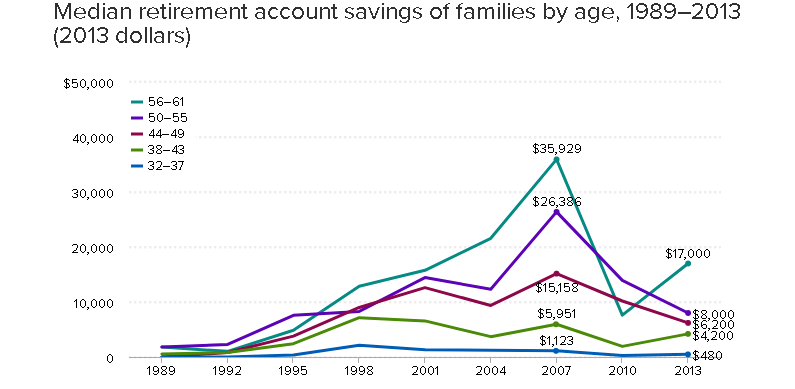
It’s never too late or too early to begin saving for your Golden Years, and with a budget you can easily track your progress. Here are a few items to consider when budgeting that may help your overall situation:
Building a retirement strategy sooner rather than later is a taxing objective that many struggle with but with some discipline and proper planning, it can be achievable and can help to alleviate financial stress.
At Mission Wealth, we will help you categorize your spending and make recommendations, if applicable, in order to ensure your spending is aligned with your goals. This will also help you understand how much you can safely spend without jeopardizing your long-term financial security.
READ MORE: Retirement Strategy Tool is Geared for Success
1004925 1/18
Mission Wealth is a Registered Investment Adviser. This commentary reflects the personal opinions, viewpoints, and analyses of the Mission Wealth employees providing such comments. It should not be regarded as a description of advisory services provided by Mission Wealth or performance returns of any Mission Wealth client. The views reflected in the commentary are subject to change at any time without notice. Nothing in this commentary constitutes investment advice, performance data, or any recommendation that any particular security, portfolio of securities, transaction, or investment strategy is suitable for any specific person. Any mention of a particular security and related performance data is not a recommendation to buy or sell that security. Mission Wealth manages its clients’ accounts using a variety of investment techniques and strategies, which are not necessarily discussed in the commentary. Investments in securities involve the risk of loss. Past performance is no guarantee of future results.
KEY TAKEAWAYS
Nearly half of American families have no retirement savings at all, and even workers approaching retirement have median savings of only $8,000 to $17,000. Tracking what comes in and goes out, paying yourself first with at least 10% savings, and protecting cash flow through appropriate insurance are foundational steps toward a secure retirement. Combining proactive tax planning with a commitment to reducing debt can translate into substantial long-term savings.
Schedule a complimentary 30-minute discovery call to discuss your unique situation and financial goals.

"*" indicates required fields
By providing a telephone number and submitting the form, you are consenting to be contacted by SMS text message and agreeing to our privacy policy and disclaimers. Message frequency may vary. Message and data rates may apply. Reply STOP to opt out of further messaging. Reply HELP for more information.

Client Development Advisor
or call us: 805-902-4550
"*" indicates required fields
Schedule a complimentary 30-minute discovery call to discuss your unique situation and financial goals.
Prefer a phone call? Call us: 805-902-4550
For general inquiries: click here.
By providing a telephone number and submitting the form, you are consenting to be contacted by SMS text message and agreeing to our privacy policy and disclaimers. Message frequency may vary. Message and data rates may apply. Reply STOP to opt out of further messaging. Reply HELP for more information.