

63:57
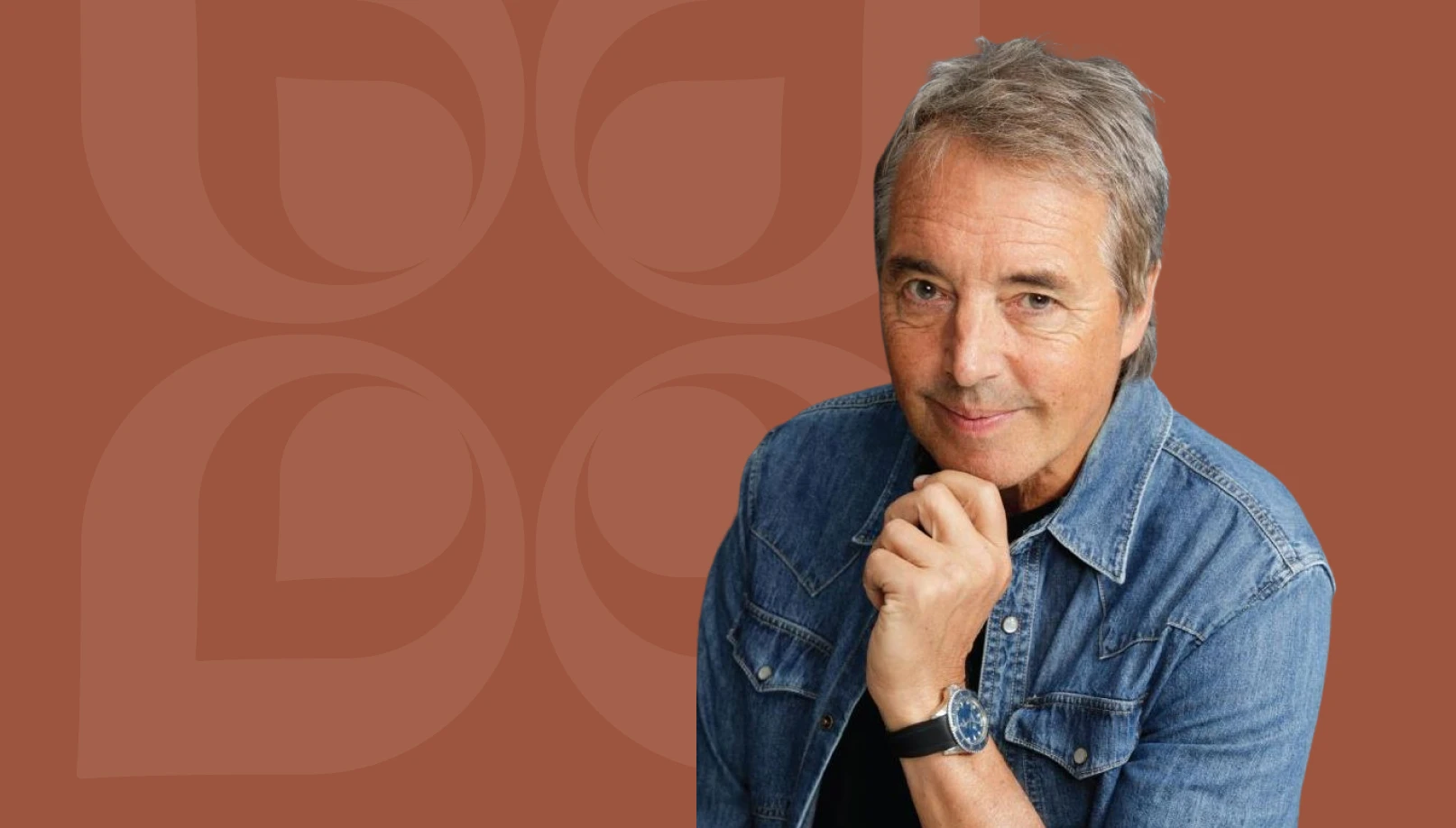
Mission Wealth's INSPIREDtalk with Dan Buettner: Blue Zones
foreign
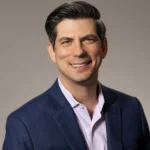
how to live a longer and happier life I know I am hi my name is Seth Streeter the CEO of mission wealth welcome to today’s inspired talk blue zones secrets of a long life with New York Times best-selling author Dan buettner before I introduce Dan I wanted to share four quick notes about today’s webinar first this is going to be recorded and we will send everyone a link to the recording as well as a blog post of Dan’s top takeaways if you have questions you’d like to post please use the Q a box at the bottom of your screen and please use the chat box if you have any technical questions or would just like to make General comments and when you make comments please say to all panelists and attendees at the end of the program we will share a link to our next inspired talk as well as a survey for your valuable feedback and we will email you this information as well well it’s my pleasure to introduce my friend Dan buettner I wish I had more time to tell you about all of his incredible accomplishments and his life Journey but let me assure you Dan is a fascinating guy here are just a few of
his highlights in his 20s Dan set three Guinness Book of World Records for transcontinental cycling this included at over 15 000 mile Journey from prudo Bay Alaska to Tierra del Fuego Argentina has been followed with a 12 888 mile Trek on the 45th parallel in the Soviet Union and then he did an eight-month Trek through the continent of Africa cycling almost 12 000 miles Dan won an Emmy Award for the PBS documentary that he co-produced about these these Expeditions as as well as for books he wrote on these cycling Journeys in his 30s Dan led a new genre of exploration that enabled online audiences to join teams of experts to solve Mysteries so using laptops and newly demilitarized satellite dishes they interacted with 40 000 classrooms for a multi-disciplinary teaching experience and with this Innovative approach they tackled the 9th century Maya collapse they retraced Darwin’s root on the Galapagos and Marco Polo’s Trail on the Silk Road in his 40s Stan collaborated with expert anthropologists historians dietitians and geneticists to study longevity traveling the world to find the healthiest places he along with two
other researchers branded these locations the blue zones in 2005 Dan reported these Blue Zone findings in a cover story for National Geographic called secrets of long life and this became the third best-selling issue in the Magazine’s history in 2008 Dan published the book blue zones lessons for longer living from people who’ve lived the longest this became a bestseller and launched them into the speaking circuit including interviews with Oprah Winfrey Dr Oz and Anderson Cooper 360. in 2009 he gave a TED Talk that today is almost 4.3 million views and this I would say is when Dan really got started he wanted to take what he learned about longevity and apply it at scale to American cities and states to improve health and so he created an organization called the Blue zones project and this team worked all over the United States including Fort Worth Texas Naples Florida South Bend Indiana and to the states of Iowa and Hawaii and consistently they produced impressive health results as well as significant Health cost savings so in addition to Leading this successful company Dan went back to
writing and he created a series of best-selling books in 2015 he published The Blue Zone solution eating and living like the world’s healthiest people in 2017 he published the blue zones of happiness and in 2019 he published the blue Zone’s kitchen and Dan has more riding projects up his sleeve I’m sure he’ll share with us today I know we are all ready to learn how we can live longer and happier lives from the man who truly lives this by example please welcome Dan buettner well thank you Seth um I I’m right back at you for any of you who know Seth knows that he’s the consummate uh Blue Zone individual builds Community knows how to stay fit knows how to eat brings people together and shares ideas and I’m really pleased and honored to be with you this morning I’m going to talk about the world’s longest lived people and the lessons they offer us I know most of you guys and and women are above my age probably pretty similar point in life and probably pretty interested in not only getting the most years out of life but the most life out of years and for about 20 years now I’ve been identifying and
studying the statistically longest lived people something called the Danish twin study established that only about 20 percent of how long you live is dictated by your genes the other 80 is something that else so um the idea I’ve been working with beginning with the National Institutes on Aging but then mostly with National Geographic was to in a sense reverse engineer longevity once you find the statistically longest lived people given that they have an average set of genes if you can identify the common denominators you get a a pretty convincing set of lessons and prescriptions prescriptives on what we could do to add more good years out of life and just to switch over here to the screen foreign we found these um these so-called blue zones in five different parts of the ear of the world uh these places aren’t anecdotal I worked with demographers we spent two and a half years parsing through worldwide census data and then traveling to each of these places to confirm that they were indeed longest lived and when I say longest lived I don’t only mean the highest concentration of centenarians but almost
more interesting is uh they’re a middle-aged life expectancy so factoring out infant mortality and the sort of toxic teen years or lethal teen years and then the lowest rates of middle age uh mortality so let me tell you the value proposition here so the average maximum life expectancy for the average person uh living in the United States is about 94. so in other words if you do everything right you should be able to live uh 94 years but on average we’re only living 80. so we’re leaving about 14 years on the table and these populations have achieved most of those 40 years and most significantly they’ve achieved them without diabetes uh obesity cancers of the GI tract dementia and heart disease so they have what what most of us want to live a long vital life and then die quickly leaving the maximum amount left over uh for their heirs now because I worked for National Geographic they’re really stickers for evidence we put together a world-class Board of of uh experts and advisors the demographers and then the people who knew the methodology to go into these places to plumb the existing
academic literature to find the correlations and and indeed the explanations and uh interestingly no matter where you go in the world and you find long-lived people you see the same nine common denominators and I’m going to share those nine common denominators with you and sort of give you a an operating system to get the most tears out of life but because I have the advantage of National Geographic photography I thought first I’d take you uh to each of these blue zones to give you a feeling for what it’s like to to live in these places we found the first Blue Zone about 200 miles off the coast of Italy on the island of Sardinia not the entire Island just Inland sort of central Sardinia called the neural Province and there we found five Villages about 60 000 people with the highest concentration of male centenarians in the world so in that blue Bullseye there you you have a an area the original Blue Zone by the way uh where there’s about 11 times more male centenarians than you would expect to find in an equivalent population say here in the United States and these are guys not only making it to 100 they’re
doing so with Vigor and vitality still riding their bikes to work at 102 chopping wood at 106 and beating a guy 65 years younger than him in an arm wrestle uh and uh that by the way uh interview took place at seven in the morning after this guy had its first tumbler of red wine so as you can see you can live a long time without depriving yourself so I worked with a very clever uh physician epidemiologist in Sardinia a guy by the name of Gianni pass and between the two of us we interviewed about 350 male centenarians over time and and if you want to know what 100 year old live to be a hundred you have to know not just what they’re doing lately but you have to know what they’re doing you know as a kid and young adult and working life and retiree and and then lately and when we crunched all that data we found three of the biggest predictors of making it to 100 and and I’ll give you give you uh them in reverse order uh the third biggest predictor was actually the steepness of the terrain of their Village so of all other factors what they eat what they drink uh stress religion um the steepness of their Village uh was
number three number two was how many daughters they had um turns out the guys most likely to make the hundred had five or more daughters uh now we don’t know if the longevity benefit of daughters comes from the fact that they tend to take care of their aging parents better than perhaps Sons do or if you can survive five adolescent girls making it to 100 is no problem but nevertheless it seems having daughters favors longevity but the biggest predictor of making it to 100 in Sardinia was your profession and it turns out that you know most of Sardinia traditionally were the farmers who lived on the coast and the Shepherds who lived uh in the mountains Inland and indeed it was the Shepherds that were enjoying this extraordinary longevity benefits so we embed it with the Centenary with the uh sardinians here to get a feel for what their life was like and you know much to our surprise they they didn’t work all that hard they sort of wake up when the sun is warm it’s been a few hours with their animals uh we figured they walk maybe three miles in a morning but very gentle uh since many parts of the year they’re covering
vast terrain to get enough vegetation for their for their animals that invented diet that wouldn’t spoil over time without refrigerator they came up with the type of whole wheat a durum wheat bread called Carte de musica they made cheese from their own animals grass-fed very high in omega-3 fatty acids it’s very rich so they don’t have to eat a lot of it called pecorino and then a type of wine that has three times the levels of polyphenols of any other known wine nothing like dirty boots to answer water just homemade stuff we call Blue zones wine which is available here but it’s it’s technically a Tanana wine and it’s it’s a applied liberally throughout the day we you know it adds up to about three glasses a day but it’s taken in small doses in the morning with meals with friends after after dinner but it’s a very rich dark red wine full of the procyanid which is the antioxidant that relieves inflammation of the endothelial when they’re at home they’re eating a version of the Mediterranean diet here in Sardinia very high in fava beans uh they do eat meat uh no beef very little chicken but pork they ate once in a
while about five times a month not a lot uh usually a portion not too much bigger than this clicker right here but they’re eating meat as a celebratory food usually after church on Sunday or a wedding or or a birthday or something but uh sparing use of meat but more important than their diet and their exercise patterns and I know Americans like to focus a lot on diet and exercise but we actually found other social determinants of Health bigger drivers of longevity these people were original sardinians from the highlands of fnatic zeal for the family uh a very strong Community Connection they require that to survive during the Millennia as the Arabs and the Phoenicians and the Romans tried to subjugate them by the way this is very different people these uh these these people originated uh the founder population of Sardinia originated in what’s today the boss country um they’ve assimilated a little bit but they speak a language most similar to the language Roman spokes most similar to The Latin unlike Us in the United States they celebrate age the older you are the more wisdom the more you’re treasured the
idea of putting your retired or a parent in a in a home would would be ashamed of the family so older people are kept around where their their skills and their wisdom is harnessed their agricultural skill in this case it’s wine making skill uh it’s the grandmas that keep the the food tradition alive they it’s actually a type of sourdough bread that lowers the glycemic load of every single meal a sourdough bread and it’s the grandmas that keep the culture alive literally the lactobacillus that inoculates sourdough bread uh indeed something called the grandmother effect has shown that um having a grandmother near in the home or near the home was not only good for Grandma it’s also good for children uh the grandmother effect has shown that children live in homes with a grandparent actually have lower rates of disease lower rates of mortality and they do better in school so it’s this beautiful virtuous circle that in this case is adding up not quite to the 14 extra years of life expectancy but about nine extra years of life expectancy and they’re good years on the other side of the planet about
800 miles south of Tokyo on the archipelago Okinawa we found the world’s longest live women a cohort of women over 60 where you find about 30 times more female centenarians than you would expect to find in the United States this is a population until about 1970 a full 65 or about two-thirds of their dietary intake came from sweet potatoes purple sweet potatoes called emo that purple pigment is the same pigment you see in blueberries with the same antioxidants and about eight times more tofu you also see a lot of turmeric a lot of root vegetables garlic and a vegetable called bitter melon also known as Goya so the food tends to be very low density but but High nutrient content you could be sitting down to what looks like a compost pile of food that fills you up gloriously but it has few York calories than a hamburger but again more important than diet there’s social norms in the United States if you don’t have at least three friends you can count on on a bad day when your chips are down that makes that meets the technical definition of loneliness in Okinawa since childhood people have had a
committed Social Circle they call a moai moai moai and they travel through life with this pot of people that serve as kind of a security safety net that also works kind of with stress you go through life knowing that you always have someone at your back the reason I show this picture here is that these five girls have belonged to the same moai for 97 years their average age is 102 they still get together every night they drink Sake they gossip they argue about who that hot guy liked best back in 1941 but yet they still look out after each other and they really don’t need that nurse or that that um that home when one of them doesn’t show up for happy hour the other four put the kimono on and Shuffle across the village to check on their friend it’s really a beautiful social construct also interesting I know a lot of you guys are thinking about retirement and interestingly the Okinawan uh language has no word for retirement instead one word imbues their entire adult life and that word is ikigai which roughly means life purpose or the reason I get up in the morning and it imbues adult life
from early 20s all the way through the hundreds this 102 year old karate master will tell you ziki guy is passing down uh karate uh this uh fisherman no longer fishes professionally but he puts his goggles on and Spears fish every morning so he has an excuse to go to his children in his grandchildren’s house bring something over and stay connected with his family and for kamarasan here her her icky guy even though she’s the spiritual leader of her Village her guy is her great great great granddaughter and these two girls are separated in age by 101 and a half years and when I asked her what it feels like holding a descendant more than a century younger than her she said it feels like leaping into heaven and you can kind of tell by the look on her face that this is how you want to be when you’re 103 years old and you’ll find that most of these prescriptives or most of these insights that people in blue zones offer us for living longer also kind of assure that the journey is Rich and and worthwhile on our side of the pond about 80 miles Southeast of Los Angeles not too far from where Seth is right now
um we found America’s Blue Zone off the San Bernardino freeway it was a very unlikely place to find a Blue Zone because when you when I got off the exit the first thing I saw was a Del Taco and a wiener Hut uh but uh if you go a little bit deeper in Loma Linda California you find the highest concentration of Seventh-day Adventist in the world uh Adventists are conservative methodists who who distinguish themselves from other methodists and that uh number one they evangelize with with health they run some of the biggest hospitals in uh United States but number two uh they celebrate their Sabbath not on Sunday but on Saturday which makes them you know the other blue zones were sort of geographically remote these guys are a little culturally remote and so far as you know Friday night when Sabbath starts their kids don’t play football or go to dances Saturday morning um they’re they’re they’re pretty engaged in their in their religion and quiet and quiet time uh but they’re doing something that merits attention life expectancy for women in America right now is 80. it’s actually gone down
a little bit because of covet we’ve lost about a year of life expectancy in the last year so I guess it’s kind of been a wash but anyway um and uh life expectancy for Adventist women is 89 and the difference for men is even more remarkable Adventists men live about 10 years longer than their North American counterparts so think about that for a second these are people living in some Far Away part of the world these are Americans living about a decade longer than us and by the way these are largely yours without chronic disease how do they do it do they have better genes no if you look at an Adventist population you see mostly people of European extraction but you have African Americans Asians Latinos it’s a Melting Pot so they’re doing something they’re doing something right well what do they do first of all they take the Sabbath very seriously and I actually think there’s something to this that um at least 24 hours a week they’re downshifting no matter where the uh boss is telling them to to what no matter what the boss is telling them to do or work is telling them um what they need to be doing right now
no matter where the kids need to be driven no matter what the social schedule dictates they take 24 hours a week and they focus uh on their family on Friday night under God on Saturday morning uh they have these potlucks every Saturday afternoon not exactly a moi but it’s a chance to reinforce that Social Circle on Saturday afternoon uh hardwired right in their scriptures they take a nature walk the definition of which has evolved but nevertheless they’re doing something active every week and not just for a few months when you know there’s a wellness program at work or they’re trying to train for a marathon this is something that’s done for years or decades or indeed even a lifetime they take their diet directly from the Bible Genesis chapter 1 verse 29 God lays out pretty clearly the diet for the garden vegan every plant that beer seeds so think about that that’s nuts and beans and Grains and then every tree that bears fruit which is you know Citrus and apples and tomatoes and avocado Etc so they take that pretty seriously most Adventists are vegetarian or at least plant slant there’s a big number
of in fact that are completely vegan but definitely a plant-oriented uh subculture in America here Adventists tend to hang out with other Adventists and we now know that Health behaviors are as contagious as catching a cold and and the the contagions that circulate through Adventist Network tend to be positive you know they’re they’re not gathering around a uh pork ribs or doing shots of bourbon they’ve sort of gather around uh spiritual support or uh they plan their nature walk together or potluck and uh it’s just a lot easier to stay healthy when the people around you are staying healthy and that’s something certainly the Adventists benefit from this is the culture that’s produced Ellsworth Wareham Ellsworth where I met him 95 years old multi-millionaire by the way had all the money he needed yet when a when a contractor wanted six thousand dollars to build a privacy fence in his backyard he was like well for that kind of money I’ll do it myself and for the next three days he was out hauling Timber shoveling cement and predictably perhaps on the fourth day he ends up in the operating
room uh but not as the uh open heart surgeon on the table there that’s Ellsworth on the left doing open heart surgery which he continued to do to age 98. Ed Rawlings working Cowboy 106 years old starts his day with the swim and on the weekends he puts on the boards and then my dear friend I got to know her very well Marge to tan 105 years old woke up every morning at 6 A.M spend 30 minutes reading her Bible um meditatively then she had her breakfast and she was very prescriptive about her breakfast slow cooked steel cut oatmeal with soy milk nuts some chopped dates followed by what she called a prune juice shooter and then she’d go down and lift weights she’d ride her bicycle and she’d get her 1994 Cadillac where she barreled down the San Bernardino freeway volunteering for seven different organizations a week including the Loma Linda Senior Center Where She Went every Tuesday and Thursday to help out the old folks of course we’re about 30 years younger than she was but never mind so I wrote up these three cultures for this cover story for Geographic yeah it turned into the book The Blue zones
um I went on to find two more blue zones took the money I earned from the book uh found a fourth Blue Zone in the nicoya peninsula of Costa Rica this is an area that has the lowest rate of middle-aged mortality in the world so despite their relative poverty they’re about two and a half times more likely to reach that healthy age 94 than Americans do how do they do it well I argue they have the best diet the human species has ever invented three simple ingredients corn which is whole grain which is ground up into tortillas that’s all it is is corn mixed with squash and beans and you mix those three together you have all the amino acids or which is to say protein necessary for human sustenance I know we got a question from one of you guys uh wondering if uh plant-based protein is good as animal-based protein and the answer is it’s much better average American gets about twice as much protein as we need most of protein if you’re getting it from meat cheese or eggs is Laden with saturated fat uh much higher concentrations of toxins hormones Etc plant-based proteins although they don’t absorb quite as quickly quickly
you get plenty of them by eating Whole Food plant-based diet and this three sisters has propelled the whole Mesoamerican world for almost 5 000 years and it is still propelling longevity in nikoia today perfect perfect real food the longevity Secret in in uh nikoya uh expands Beyond just tradition here in about 1990 what’s that in about 1990 uh Costa Rica instituted a um uh teams of of um basic health professionals the team had only had five people a doctor a nurse practitioner a Record Keeper and two people two mobile Health ambassadors like Luisa here and every man woman and child in in Costa Rica had the right to have one visit a year now Costa Rica’s Health Care system is not one you want to go to for complex cancer treatment or necessarily even open heart surgery but when it comes to Public Health they’re way ahead of us every man woman and child gets one visit a year uh people like Luisa will have your health records so still ask you how you’re doing uh she’ll screen you for depression so take your blood pressure your your blood sugar level uh they’re much more likely to catch a chronic disease before it’s a
three alarm fire and you end up in the hospital for it the first signs of a diabetes or heart disease they’re immediately sent to one of the uh uh health clinics the local clinics where there’s a doctor assigned to everybody uh and just a general practitioner but they’ll jump on the problem early people like Luis will go in your backyard and look for standing water which is a clear risk factor for infectious disease like Dengue or malaria or zika she’ll go into your refrigerator and look at what you’re eating and give you a heads up on the on the foods that might be contributing to chronic disease and they stay on top of it so they invest heavily and effectively in prevention and as the result is you know you know you not only have three times more people making it to a healthy age 97 this woman um is 106 believe it or not but they spend 1 15 the amount we do on Health Care to achieve that so it underscores the notion you do not have to be rich to be healthy you just have to deploy those resources not just fixing the disease after it happens but making sure it doesn’t happen in the first place
and finally the last Blue Zone the island of icaria I got a question if there were more blue zones I don’t think there are um but there may be one you’ll find out about that in about a year we’re still doing the background research but we know the last Blue Zone icaria Greece just uh 20 miles off the coast of turkey very isolated Place ten thousand people no natural Harbors which is K which have kept uh Invaders out of it Korea and they’ve been able to incubate their own special culture slash environment of longevity uh they have they live about eight years longer than Americans half the rate of heart disease but most interestingly uh only about a one-fifth the rate of dementia so almost no Alzheimer’s disease here which is very interesting proof that about or evidence supporting that about 80 to 90 percent of Alzheimer’s disease is preventable we don’t realize that or you know our Zeal for searching for the Cure we kind of Miss which was right in front of us which is there are Lifestyles that we know produce sharp brains to the very end and we see it among this population of ten thousand
people in icaria they they eat the purest uh variety of the Mediterranean diet this particular one it’s very high in Greens probably six or seven times more varieties of greens and herbs than we consume very high in beans and potatoes and like all blue zones um people are staying active into their 90s and a hundreds this 103 year old priests who attends to his flock on an ATV um I like to tell the story of this little fell to the right and you know different than I would say you know the New York Times or Wall Street Journal the way we tell stories that National Geographic is uh we metabolize vast amounts of scientific research and then we find characters who can help us tell that story and really the best character to tell the Blue Zone story was this little fellow on the right his name is tomides moriitis at age uh 21 he moves to America to seek the American dream uh he starts working hard sure enough saves money he buys a Chevrolet a house in the suburbs and gets married to a Greek American woman the American dream unfortunate at age 66 he finds himself short of breath he goes to three doctors all of whom
tell him terminal lung disease get your Affairs in order you’ll be gone in six months instead of dying in Detroit he figures he’ll get buried for a fraction of the price with his ancestors in a Korea so he and his wife moved back to Korea and they move in with his parents who were in their 80s are just fine he starts breathing the air drinking the wine eating that that uh Korean diet connecting with his friends he connects with his religion six months come and go he’s feeling pretty good he goes out in his backyard and he plants a Vineyard he knows he’s not going to be around to harvest Those Grapes but he thinks my wife will harvest these grapes and when she drinks this wine she’ll think of me want to make a long story medium 34 years later when I met him at age 101 he was not only picking All Those Grapes uh but he was turning them into 200 liters of wine a year all which he drank and when I asked him what his secret to longevity was you know I was pretty sure it wasn’t his ability to match plaids he just kind of shrugged and said I don’t know I guess I just forgot to die uh which seems flippant and unscientific
but I gotta tell you this is probably the most accurate explanation of any of the explanations that all the longevity researchers I interacted with for this story um the reason is that no matter where you go in the world and you see people making it to a hundred uh it’s really I when I’m talking people I mean population it’s not really their genes only 20 percent none of them said at age 50. well gold darn it I’m going to get on that longevity diet live another 50 years none of them bought a StairMaster or joint CrossFit or called an 800 number and started taking supplements or drinking power drinks they just live their life and the reason they live in 400 is not because they pursued Health that’s what we do in America we get on the program we think we’re going to muster five Decades of discipline and focus of mine and live to 100. no they live in environments where the healthy choice is not only the easy choice but the unavoidable choice so these nine common denominators they’re not really exercising and by the way exercise has been an unmitigated failure when it comes to Public Health in the United
States only about 15 percent of people uh get enough uh exercise or quote physical activity people in the blue zones they’re moving every 20 minutes not because they’re on some program but because every time they go to work every time they go to their friend’s house every time they go out to eat it occasions a walk they um have Gardens out back so they’re nudged into weeding or or watering or harvesting plants their houses aren’t filled with mechanical convenience audiences they’re still doing yard work by hand and housework by hand and kitchen work by hand when it comes to their Outlook they suffer the same stresses that we do but they have sacred daily rituals that reduce the stress of everyday living ancestor venerations like the okinawans taking a nap like the Costa Ricans and the IT karians the Adventists prey which is the form of meditation and the sardinians they just do happy hour which is my practice they have vocabulary for purpose which is worth about seven years of life expectancy over being rudderless in the world when it comes to what they consume yes they do drink a little bit two to
three glasses a day but not a you know 14 drink binge on the weekends spread out when it comes to what they eat my book blue zones solution distilled a meta-analysis of 155 dietary studies done in all five blue zones over the past hundred years and if you want to know what a centenarian ate to live to be a hundred here it is and this is manifest 90 to 100 percent unprocessed plant-based Foods it’s very high carbohydrates but not the simple carbohydrates like lollipops we’re talking the complex carbohydrates like lentil beans the five pillars of every longevity diet in the world are whole grains greens tubers like potatoes and sweet potatoes nuts and then I argue the greatest longevity food in the world is beans and blue zones people are eating a cup of beans a day and my team calculates if you’re eating a cup of beans a day it’s probably adding about four years to your life expectancy they do eat meat but it’s a celebratory food we don’t know if they’re living longer because of these five servings a month or in spite of it but meat is not part of the Blue Zone Diet they eat a lot less fish than um than you might
think it’s middle chain fish none of the swordfish no cow’s dairy in blue zones at all you see a little bit of goat milk or sheep’s milk cheese it’s very rich but Dairy is not a part of the Blue Zone Diet Water is six glasses a day teas of every sort both caffeinated and uncaffeinated good news for most of us that cup or two of coffee you have before noon is probably a big Health Plus lowering your chances of diabetes and Parkinson’s disease keeping you sharp and wine with meals probably a good idea if you’re drinking a glass of wine with your plant-based meal it’s probably quadrupling me the antioxidant absorption of that meal maybe even better than water more important than what they eat is what they don’t eat um they have ways to engineer calories out of their diet by eating breakfast like a king lunch like The Prince and dinner like a pauper they keep Electronics out of their kitchen so they’re not eating to their favorite TV show they eat with their families and then on the foundation this is probably 40 percent of the longevity equation 30 to 40 percent uh a big focus on family
keeping your aging parent nearby investing in your partner investing in your children belonging to a religion if you belong to a faith and you show up it’s worth 4 to 14 extra years of life expectancy and then the big one here I would say is pain really careful attention to who your immediate friends are we now know that if your three best friends are obese and unhealthy there’s about 150 percent chance that you’ll be overweight yourself loneliness is contagious drug use is contagious alcoholism because it’s contagious happiness is contagious really who you who your four or five top friends are are going to drive your behaviors more than just about anything else so um you look at these nine things and people say you know usually after I tell them it makes a lot of sense to me but it’s not common sense in the United States what’s common sense in the United States is uh we get unhealthy we spend a little bit of money on diet supplements and and uh exercise programs for health and uh they’re not necessarily a bad idea they’re expensive and we’re kind of like Sisyphus we start every year on
them I mean you take even the best diets uh I get a hundred of you on them today I’m going to lose 10 percent of you in just three months and ninety percent of you in seven months and almost all of you in two years uh if you’re uh healthy I mean if your financial advisor showed you this return on your money you would fire him in a year yet every year we re-up with our um the the fairy tale that we’re gonna get on a diet and it’s going to work for us after the New Year’s resolution doesn’t really work nor do gym memberships I mean their aspiration additional but they have a pretty steep recidivism curve your three quarters are gone after two years and even if I come back with the pill guaranteed to reverse aging most Americans wouldn’t take it long enough uh to make a difference so if that doesn’t work what does very clear lessons from the Blue Zone number one they’re eating mostly a plant-based diet moving every 20 minutes keeping their metabolism up because their life is underpinned with purpose they’re surround themselves with the right people and they live in places where the healthy choice is the Easy
Choice and the secret to longevity doesn’t lie in any of these specific circles here it rather lies in the interconnective mutually supporting network of these things working together so it works because as a cluster because when it comes to longevity there’s no pill there’s no supplement there’s no genetic intervention even on the scientific Horizon there’s no diet there’s no power drink there’s really no single thing that is going to help you avoid the wrong behaviors and keep you doing the right behaviors for long enough to keep you from getting a chronic disease it’s these interconnected things that keep you on the right program for the decades or lifetime necessary to not develop the heart disease to not develop the diabetes the cancer the GI dementia these are all avoidable things they’re things that we’re spending 3.6 trillion dollars a year to try to fix every year with our health care System um they’re completely avoidable there’s uh easy prescriptives for just about all these things and it lies in not trying to change your mind but trying to change your surroundings engineering your environment so the
healthy choice is not only the easy choice but the unavoidable choice and with that said I’ll turn it over to you and we can do some questions what’s so awesome Dan I’m inspired to adopt those practices even further and to keep building our healthy Network and I think all of us at Mission wealth are wanting to be that Network for each other so you know we are the company we keep okay we have a bunch of questions to answer we’re going to just hop in here one question is what life attributes were overarching across every Blue Zone so you talked about how there are some differences what was kind of the overarching uh life attribute that you saw across all of them what do you mean life attributes I think it’s probably like the of the people that lived there was there one overarching you talked about the differences a little bit of each in Okinawa they had the the Social Circles or in a sense do you state all these attributes are kind of universal across each of the books well I would say the the pot those those nine common denominators um you know it’s kind of a dumb name but we called Power Nine but those are the
nine things you see among all five blue zones the vocabulary for purpose emphasis on family emphasis on faith those are the I would say that the common life attributes got it Dan we have a question here about climate change do you see climate change impacting overall longevity in the future well it hasn’t showed up yet in the Blue Zone so it doesn’t have to I think climate change is sort of a a parallel problem or a parallel opportunity for us to pay attention to um but and by the way I think a lot of the same things that would occasion a longer life would also start to address climate change you know if if we switch to a 100 plant-based diet uh and everybody did that we would lower our Collective carbon footprint by about 30 percent if we moved away from uh driving places and got out from behind the wheel and onto our feet we lower the demand for petroleum which would lower um living in smaller places in smaller communities that require less energy to cool and to heat there’s a very strong interconnectivity between uh living a long time and having a a smaller carbon footprint yeah makes sense
a question for you personally Dan which of these life habits and structures have you incorporated into your life I eat mostly a plant-based diet I eat a blue Zone Diet except I don’t eat meat at all and I Am Naturally social before I used to think that’s rewarding myself with social interactivity was was a a treat but now I do it all the time I know it’s good for me I I have kind of let a few of my uh unhealthy friends go it’s not to say I’m not around to support them but I don’t spend as much time with them I’ve really reconnected with my family and made that a big priority I’ve gotten also really clear on my on my purpose I think one of the best things you could do to add good years to your life is to actually take the time to do the internal inventory to know what your values are what you’re good at what you like to do and then an outlet for them and for many of us it’s our work but for most of us it has to be something else and to know where you can either volunteer or hobby or you know what you can do for your family or a group of friends that provides an outlet for that purpose I think that’s really
become important to me in in the last few years yeah a a question came in here are there examples of places in the United States outside Loma Linda where communities have been intentionally created to make the healthy choice or create that pod uh Dynamic do you know examples of that in the U.S well my business for the last years I’ve been hired by insurance companies to manufacture blue zones within American cities and that usually requires that the whole public sector the mayor the city council the Chamber of Commerce the the superintendent of schools that all sign on to this idea that they’re going to let my team come in about 200 employees that go into cities and we literally change the environment the policy environment the schools restaurants grocery stores workplaces comprehensively ubiquitously so that the healthy choice is the easy choice and cities like Fort Worth Texas the beach cities of Los Angeles Naples Florida the whole island of Hawaii are just a few of the communities in in America that have committed to a Blue Zone approach to changing their environment and in every one of them the BMI at the
population level has dropped so it’ll be BC rate is dropped and that means the rate of heart disease drops the rate of diabetes drops and their overall health care cost savings amounts to in many cases hundreds of millions of dollars a year yeah and since you’re an expert on creating these communities how would you rank Santa Barbara as far as being in the realm of healthy from what you’ve seen uh and not just because you’re there no it’s definitely one of the top 20 communities in America and I’ll tell you why so first of all Santa Barbara has easy access to on nature um very easy for people to get out and recreate uh it there’s a big emphasis on walkability there’s easy access to healthy food all over the place healthy restaurants um we know you know I wrote this series of books on happiness and if you um 151 countries if you survey which has been done survey all those countries to get the attributes of people’s lives and how happy they are people who live on the water report about 10 percent higher happiness than people who live in land and everybody in Santa Barbara lives on the water it also has a very strong
volunteer community non-profit I think it’s probably the highest concentration of philanthropy uh in in the United States so all of those contribute to not only High higher life expectancy but I know from Gallup that um uh Santa Barbara’s I believe 11th in the country with the highest level of Life satisfaction so yeah you guys have something special going on there great Dan we’re getting some questions about Blue Zone cookbooks could you give us any updates on anything that might be in the works as far as cookbooks that was teed up nicely yeah thank you very much so blue Zone’s kitchen did very well and publisher asked if I could do one and focus in the United States and there aren’t enough communities of longevity to really put a book together uh and by the way blue Zone’s kitchen is it’s not just recipes you know we went it’s actually kind of anthropology I collected these from uh I sat and observed them and wrote them down and we have a National Geographic photographer shot all the images and I did the science reporting uh United States right now about 700 000 people die a year eating
the standard American diet they die unnecessarily that’s from the CDC but it turns out if you look back about a hundred years you see a food tradition actually Four food traditions where people ate essentially the Blue Zone diets which is to say almost completely uh whole food plant-based and those diets were among African Americans Asians Latinos and Native Americans and it’s a it’s a tradition largely lost and the photographer and I have been traveling across America for the past year we got another three months to go all the way from the east coast to the West Coast North and South finding Chef historians who have preserved that those food traditions and we’re recreating the the the the recipes and uh aggregating the the dietary studies done a hundred years ago and rebuilding a different uh standard American diet that instead of being our most toxic export could be a gift to the rest of the world and again it’s among you know the ethnic people it wasn’t my ancestors the Germans and the Scandinavians who came there with their cows and pigs and pickling uh it’s really the the darker Americans that
that contribute the biggest to America’s culinary tradition well that’s that’s going to be great to read Dan we have questions on sleep have there been any trends that you’ve seen with regards to sleep in the blue zones numbers number of hours per night and then also on vitamin D time and sunshine are those contributing factors to longevity so traditionally in blue zones and I’ve even observed it as recently as six years ago the sun goes down people go to bed soon thereafter they wake up maybe four or five and they’ll do some chores and then they’ll go back in bed for a second sleep and sleep until sunrise that’s pretty common about eight hours a day is average eight maybe nine eight to nine somewhere in there um so that I think that’s the ideal Americans sleep about 6.2 hours and we’re robbing ourselves of a lot of Life by thinking that you know if we short shift our sleep we can get more life during the day we we actually don’t people don’t get enough sleep are are much more likely to develop heart disease they’re much more likely to be obese they’re not as sharp so getting sleep is really important all right what
was the second question uh then another question is about the wine that you mentioned are they making it from scratch and were it will it ever be available for you know Mass purchase yes so it’s well it’s made both commercially and and at you know homemade in in blue zones the the wine made uh in homes tends to be pretty rough um but actually a passion project of mine for the past five years has been finding the best kind of now grapes which is a Grenache grape they’re very red what makes them red is they’re exposed to 330 days of hard sunlight a year and they respond by creating great sunscreen which is essentially the pigment and it’s in that pigment where the antioxidants and the Resveratrol and the pro cyanids are and uh I found a professional Vintner to blend the grapes and and create a blue zones wine you can Google Blue Zone wine and you can find it you can actually order it here in the United States that has not only the antioxidant properties but it’s uh it’s been rated in 92 um by wine Spectators so it’s a very good wine but it’s also I like to say good for you or better for you anyway
but there are several other brands that kind of now and if you’re in a big city and you go to a big reputable liquor store you can often find several different kinds of Continental wine and that’s the Sardinian Blue Zone wine right Dan do you believe that it’s possible if people apply these blue zones you know Lifestyles as well as with modern day medicine that will be realistic people will live to 110 maybe even 120 more commonly even in the U.S say in the next 30 to 50 years will that be a trend that you think is realistic foreign you know that’d be a little bit like predicting the invention of penicillin five years before penicillin was accidentally discovered uh the pace of Discovery is encouraging but right now you know life expectancy since about 1840 has gone up by about two years per decade um pretty straight line and I think those of us uh listening right now on this podcast if you’ve made it to 60 and you’ve been reasonably healthy your life expectancy is probably 90 right now you know I like I have a actually if you go to the blue Zone’s website we have this life expectancy calculator called the
Vitality compass and it will calculate how long you’re going to live and um to make it to 100 right now in the United States uh you have about a one in four thousand chance so it’s you have to kind of want the genetic Lottery to make it to 100 right now and most of us haven’t won that Lottery but here’s the good news if you’re doing everything right and by the way it’s never too late to start if you’re doing everything right you’ve been doing everything right most of your life your life expectancy right now is probably 92 or 94. but given the fact that life expectancy tends to go up two years per generation I mean per decade and most of us have three to four decades in front of us theoretically yes you know 94 right now three more decades at two years per decade that’s six years yes we could hit a hundred 110 is a reach got it right now about one in 20 million people make it to 110 and I just don’t see anything on the scientific Horizon that’s going to uh produce that you know here’s the thing the way our bodies all mammals lived about two and a half two and a half times the age of procreation so
when you can first start having babies most mammals whether you’re a mouse or an elephant they live another two and a half um two and a half times that age so you know if you if you start having babies at at uh at 15 uh two and a half times that was what 37 and a half you know for most of human history or life expectancy has been about 33. uh and the reason for that is um we’re really here for procreative success we’re here to have babies make sure those babies grow up old enough to have babies themselves help them those grandchildren get through the first years and then your sort of genetic uh leftovers and you get out of the way so that the younger Generations uh can can consume the resources and and keep the species going that’s how Evolution kind of works but you know over the last 150 years really since you know the mid or the late 19th century we’ve come up with interfa interventions to um to mitigate infectious disease you know penicillin and antibiotics and then uh you know now chronic disease has been an issue we’re really focused on overcoming heart disease and cancer and diabetes so but at a certain point our
bodies reach their their uh ceiling their um they we we the the body just kind of falls apart it’s called sentence and it’s uh it occurs when uh cells no longer or uh reproduce themselves and and that’s usually in the 90s and um that’s that’s why you know even if you do everything right most of us um you know drop dead at 94 or 95 but and that’s kind of a maximum but I don’t see anything on the scientific Horizon that’s going to raise the ceiling of the capacity of the human machine got it thank you Dan one last question for you we shared about your epic journey through each of your decade your 20s your 30s your 40s or 50s now you’re 60. uh tell us something you’re really looking forward to in this decade ahead what’s something that lights you up about the next 10 years and something you hope to experience or create or enjoy yeah you know the beauty of this age you know I think we still have another couple decades of Vitality and uh most of us have made enough money and instead of pursuing pursuing more you know more money or more uh recognition or status I’m excited about uh giving back and and
um doing so in a way that allows me to put my you know my personal sense of purpose to work and um I have a year off I sold blue zones or most of it this year so I have a year to get clear on that and um I’m going off now to Latin America and I’m going to meditate for a couple weeks so um I don’t I don’t exactly know what it is right now but I have a a general idea in a general direction and um I’m gonna dedicate my 60s to to doing just that well Dan thank you so much you gave back to all of us today and we truly appreciate your time and I know that we want to be able to apply these lessons in our own lives and again we’ll be sharing a recording of today’s program as well as a blog post of the top takeaways so we can put those on our fridge and put those on our computer and keep them front and center in our lives and we’ll also be sending you a survey link we really do appreciate your feedback we would love to know what other topics would be of greatest interest to you but we can bring incredible speakers like Dan to cover and I’m happy to announce our next inspired talk will be on July 15th with
Dr Elizabeth Lombardo Elizabeth is also a best-selling author and she’s known as being America’s most trusted celebrity psychologist so she’s going to be talking about the emotional and family dimensions of life how we can improve our emotional resilience mental Wellness overall well-being and relationships and please see the registration link here in the chat and we’ll also be emailing you a link if you’d like to get signed up we have other inspired living programs coming up including in May the conversation circles where we’ll be discussing this theme of Health and Longevity that Dan teed up so beautifully and we do have separate groups for men and for women and then in June we have our next wisdom share event where we crowdsource the best ideas for living fulfilled lives across the 11 dimensions of life and clients are truly enjoying these programs so please speak to your client advisor to learn more this concludes today’s program thank you all for joining thank you again Dan and here’s to our inspired living thank you foreign [Music]
At this INSPIREDtalk we heard from Dan Buettner, author of “The Blue Zones: Lessons for Living Longer from the People Who’ve Lived the Longest, Thrive: Finding Happiness the Blue Zones Way”, who works to find the path to long life and health by studying the world’s “Blue Zones”; communities whose elders live with vim and vigor to record-setting age.
Read the top takeaways from the event:
missionwealth.com/watch-the-inspiredtalk-secrets-of-a-long-life-with-dan-buettner/
Mission Wealth is a Registered Investment Adviser. This commentary reflects the personal opinions, viewpoints, and analyses of the Mission Wealth employees providing such comments. It should not be regarded as a description of advisory services provided by Mission Wealth or performance returns of any Mission Wealth client. The views reflected in the commentary are subject to change at any time without notice. Nothing in this commentary constitutes investment advice, performance data, or any recommendation that any particular security, portfolio of securities, transaction, or investment strategy is suitable for any specific person. Any mention of a particular security and related performance data is not a recommendation to buy or sell that security. Mission Wealth manages its clients’ accounts using a variety of investment techniques and strategies, which are not necessarily discussed in the commentary. Investments in securities involve the risk of loss. Past performance is no guarantee of future results.
"*" indicates required fields
By providing a telephone number and submitting the form, you are consenting to be contacted by SMS text message and agreeing to our privacy policy and disclaimers. Message frequency may vary. Message and data rates may apply. Reply STOP to opt out of further messaging. Reply HELP for more information.
Client Development Advisor
or call us: 805-902-4550
"*" indicates required fields
Schedule a complimentary 30-minute discovery call to discuss your unique situation and financial goals.
Prefer a phone call? Call us: 805-902-4550
By providing a telephone number and submitting the form, you are consenting to be contacted by SMS text message and agreeing to our privacy policy and disclaimers. Message frequency may vary. Message and data rates may apply. Reply STOP to opt out of further messaging. Reply HELP for more information.
For general inquiries: click here.