


1:00:18
Mission Wealth's INSPIREDtalk with Chip Conley: Your 3.0 Life

foreign
[Music] Life vision with chip Conley I’m Seth Streeter the CEO of mission wealth we’re excited to share today’s program as part of our new inspired living service offering for 20 years all of us at Mission wealth have been dedicated to helping our clients optimize their finances and achieve their life goals while we love diving into portfolios and financial plans we know that happiness and fulfillment comes from a lot more than just numbers on a balance sheet our new inspired living service offers Dynamic resources and events with noted experts like chip Conley to assist our clients in living their very best lives while also enjoying Financial Security I hope you’re all prepared to be inspired today because we’re going to reimagine your future with the master of Reinventing oneself chip Conley I met chip nine years ago in San Francisco after he had just sold his iconic Joy Devi Boutique Hotel chain I became a fan of his best-selling books and loved his blend of creativity business savvy and psychology we connected again in 2017 when we both were speakers at a conference chip on the main stage me on the small stage but
we kept in touch and most recently we spent a couple days together this year in Austin Texas I am truly grateful to call Chip both a friend and a mentor now rather than going to Chip’s impressive bio as a Hospitality Maverick best-selling author of five books and Pioneer of the world’s first midlife wisdom school I’m going to let chip share his story in his own words today’s program will begin with Chip’s story of his own transitions over the last decade and then I’ll be posing questions for about 30 minutes and we will open up the conversation to all of your live questions so please do post your questions in the Q a chat box at the bottom of your screen so to kick us off I would love to start by taking a poll to find out where you all are with regard to your life transitions so if you would please answer these questions and just post transitions that you have recently gone through or currently going through and I’ll give you about 20 seconds all right let’s see our results where what type of transitions are we going through wow a lot of career changes retirement job loss makes sense
uh relocations empty nest people having kids becoming independent significant gains or losses yes with the pandemic death of a family member a close friend [Music] new Parenthood relocations so Chip clearly we have a group that’s ready to talk about transitions so I’m going to pass it over to you and I just want to thank you for sharing your wisdom with us today thank you Seth really an honor to be doing this with you and your and your community and um let me just say welcome welcome to what I hope will be an enlightening uh Illuminating uh hour together you know we don’t get much in the way of training around transitions no one sort of gives us a an operating manual at age 25 and says here’s your life I I for me I remember as a kid playing the game the game of Life the board game and it sort of had a linear path you know you got in your little car your car was you know showed where you were on the on the map and on the game the game board and it was just a linear path and everybody was on the same path well the truth is the true Game of Life not the board game is not a linear path and it is not all that predictable and
there are all kinds of transitions that happen and the difference between a change in your life in a transition in your life is pretty fundamental when a change happens it tends to be situational or circumstantial uh I changed my job I gotta I changed my boss I changed my husband or wife but often when you actually ask the same person who made the change two or three years later about their gripes or you know grumpiness about one thing or another they often say the same thing they said about their last boss or their last wife or their last job um and so a change means that the external circumstances have changed a transition is when it’s not circumstantial it’s psychological and it may even be spiritual it’s something that is a major shift inside of you so what I’m going to talk about is let me give you a quick story on my transition that I needed to make over the last dozen years or so and it had a if if I done just the change Alone um and not the transition I probably would have not been able to evolve my life in ways that I was able to do so let me get into the specifics and and then I’ll tell you a little bit about
some theory on uh of happiness and then we’ll we’ll open up to questions so my story um I started a company when I was 26 the boutique hotel companies that Seth mentioned ran it for 24 years about 22 years into it it had been a calling for me I like to think of our work in a pyramid you either have a job which is most of us a career which is the middle tier or a calling at the top at the peak of the pyramid I wrote a book called Peak how great companies get their Mojo from Maslow and that’s in the book so I had a calling I was fortunate it felt like it was the work I was supposed to be doing on this planet and then for about a year I started feeling a malaise I just started feeling something was not right inside of me um I didn’t like the work I was doing as much as I used to like I I had written in my third book Peak and it I loved that and I felt like oh my gosh that’s my new calling oh I have I have a mistress I I kept telling people at work you know and I’m I have this new thing I like doing more and then I had a flatline experience sometimes we actually have to have circumstances outside of ourselves to
wake us up uh and for me I was a hotelier who had a wake-up call and the wake-up call I had was I had broken my ankle playing baseball um and had a bacterial infection in my leg because there was a cut on my leg I didn’t know that and then they put me on a strong antibiotic and um I didn’t realize I was allergic to the antibiotic and I was giving a speech and I I went unconscious on stage and then Flatline over the course of the next 90 minutes Flatline nine different times and I could have died I was 47 years old it was not a heart attack um we had no idea what it was initially and what it did though is it helped me to ask myself a deeper question is is the way I live my life today the way I want to live my life the rest of my life and one of the things I would suggest you might consider is do a little math equation ask yourself how long are you going to live till uh you know and if I was gonna live I’ll do the math with you right now I let’s say I was going to live until age 98 which is a number that I’ve always had in my head because my dad says he’s going to live till 98. so how what
percentage of my adult life was still ahead of me so if at age 47 um I had 29 years of adulthood behind me so 18 so it starts at 18 plus 29 equals 47 right okay so 47. and then if I was going to live till 98 how many years of adulthood I have ahead of me 51 years so I had 51 divided by 80. so from 18 to 98 is 80 years of adulthood I had 29 behind me 51 ahead of me so I had 51 divided by 80. I had 64 almost two-thirds of my adult life still ahead of me and here I was at age 47 lamenting the fact I didn’t want to be CEO anymore but I didn’t know how to let go of it I didn’t know how to do the transition because some of it was my identity was defined by that the Flatline experience forced me to say I need to make this this transition in my life and over the next two years um you know during the Great Recession which was not an easy time to sell a business especially in the hospitality business um I was able to get to that place and I was able to realize that you know there are three phases in in transitions we’ll talk a little bit more stuff and I’ll talk a little bit more about this but there’s the end of something there’s
the messy middle which we’ll come back to and then there’s the beginning of something new if I had not done those first two steps of saying I have to end this and then I’m in this awkward liminal Zone we’ll talk about what liminality means in a couple minutes as well I would never have been open to what emerged for me and what emerged for me fascinatingly was uh two years later after I sold my company the three young founders of Airbnb who’d created this little Tech startup asked me to join them and help them basically steer their rocket ship which I’ve been doing for eight years now four years full time and then four years as a strategic advisor so that opportunity would never have happened if it hadn’t transitioned out of the thing that I thought I was going to do the rest of my life which is be CEO of my company so what I want to just uh finish with is a little bit of the the some of the elements of what do we know about happiness well happiness is not about being stagnant there is a beautiful Ted Talk by Dan Gilbert Harvard psychologist talking about your future self you can you can
Google it um and he basically showed that at age 20 and at age 80 in every age in between we vastly underestimate how many transitions are changed how much change I’m going to use the word transition and change interchangeably right now how much change we are going to have in our life we underestimate it we have no idea what’s coming ahead and when I look at the last 10 years since the the time I sold my business yeah so much has happened it’s been a fascinating 10 years probably my favorite 10 years of my life which brings me to another point which is a lot of us think that somehow at age 45 or so it’s just all downhill from there well it is a little bit downhill for a couple years there because there’s something called the U curve of Happiness which shows that the the low point on average for the average person your mileage may vary the low point of happiness in one’s life is about age 47 in fact it’s 47.2 so if you’re 47.2 right now just know it’s getting better from that point forward yes from about 45 to 50 it tends to be the low Point why is that there’s a lot of reasons for it I’ll just say briefly
it’s often because there’s just too many things happening at once and it’s hard to digest it all your the sandwich generation taking care of your parents and your kids but a lot of other things disappointment equals expectations minus reality you’ve at age 45 47 you sort of know okay I can see where my life is going and you may have had some expectations that are not being met so your 50s are often happier than their 40s absolutely I agree I’ve just entered my 60s our 60s are happier than our 50s on average our 70s are happier than our 60s on average and for women their 80s are actually happier than their 70s on average so this is interesting so we actually start losing our happiness in our early 20s it just keeps going down until about 45 to 50 and then it goes up so for those of you on the call today who are struggling through something just know that um you know maybe the there is a rainbow out there in the future and a pot of gold and I might say the pot of gold it’s a it’s a figurative pot of gold I’m not saying it’s a bunch of money sitting there unless you’ve invested with Seth
and his team and they’ve done a great job for you which is I’m sure the case um but it’s more the idea that as we get older we start appreciating the present more moment more that’s a very strange concept because you know a lot of us you never you don’t think of you know a 75 year old person is mindful necessarily maybe full of memories but are they in the moment present moment yes they tend to be partly because what has been shown at every age whether it’s someone who has AIDS isn’t going to die soon or any kind of other Affliction where they’re going to die soon or later in life is when you have a shorter life ahead of you you tend to focus on the present moment more and when you do that and you don’t just languish in the past and all the memories and and the regrets and you don’t get so wrapped up in the future which is what we tend to do the first half of our adult life um we tend to actually appreciate the moment more than we do the past or the future in that is is where happiness comes from I went and studied the gross national happiness index in Bhutan and found that frankly the thing that actually has made
them one of the happiest places on the planet is gratitude gratitude is the shortcut to happiness the thing that actually makes the U.S less happy than Bhutan and a lot of other places although still a moderately happy place is gratification um if you to get too focused on gratification um it tends to mean that you’re not focusing on the gratitude so my last thought is happiness equals gratitude divided by gratification oh you know at the ante on your gratitude don’t get so focused on the gratification if you do that well you’re likely to be happier that’s a wonderful uh starting point for us today chip thank you uh you mentioned Transitions and kind of a framework around the three phases of Transitions and I just wanted to touch base a little bit further on that for our audience why should we be embracing being a butterfly versus a caterpillar as we think about those three transitions so thank you for the metaphor it’s a great one you learned it in elementary school the his like the just the iconic journey of the caterpillar to the butterfly let’s talk about it so the caterpillar plumps up
plumps up gratifies itself a lot um and to a point where it just knows it’s actually supposed to make a transition it’s supposed to make a change it’s supposed to actually go through a metamorphosis so it actually starts to spin its uh cocoon or its chrysalis and it and it goes in there and gets gooey and it’s dark um and in that messy middle that awkward liminal zone so liminal is also limbo to be in limbo is liminal to be betwixted in between uh that’s the liminal Zone it’s usually a place where you feel a little bit imbalanced like not completely comfortable that’s what the caterpillar is in the middle and if you opened up the Cocoon halfway it’s not it’s not baked it’s not fully baked and that could be you and your life in a transition you’re going through on the other side of it it breaks out a cocoon as this colorful butterfly who can actually go and um and fly so not all transitions have that happy ending but almost all transitions if you’re open to going through it fully have that three-stage piece to it when a transition goes wrong often it’s because it never gets to the third piece
it means when someone is just not let ready to let go of what it’s me saying you know I can’t sell my business even though I want to and just sticking with that and just hating it or it’s going into selling the business but not being willing to look for what’s next and getting stuck by lamenting the fat the past or having your identity if I if my identity had still been for the rest of my life the founder and CEO of schwabe and that’s all I ever cared about just like we know the high school quarterback who at age 50 just can’t talk about anything but the fact that he was you know the All-American high school quarterback and that he hurt his knee these are things that if you don’t make it to the other side of it you get stuck in the messy middle it’s like a caterpillar who can’t actually get out of the Cocoon so just know helping yourself by being more conscious and intentional about that process of going through transition which is part of what we do at the Modern Elder Academy Seth and I will talk about that later help people through to navigate their transitions especially those in midlife
um if you can go through it faster you get to the other side faster yeah great well in that transition we oftentimes think about our lifelong learning uh that we all go through but especially at the Modern Elder Academy you speak about long life learning you kind of flip that around so maybe you could speak chip to Long Life Learning what is it and why is it so important so thank you um so lifelong learning is a great thing and yet at the same time it’s it’s it it could be like I’m gonna go take a pottery class that’s great really good very important um and and very could be very enriching and yet um or I’m gonna go learn how to code as as a um computer programmer but coding at age 30 and coding at age 70 might be very different and so there are I think issues uh thoughts ways of ways of being that start to become apparent to people in midlife that are not so obvious when you’re younger and so our point of view is this is that around midlife you are actually starting to focus more on what is it like to live a long life and how to live a life that’s as deep and meaningful as it is long
whereas when you’re younger you’re just you’re just making it through your adulthood and you have no idea how long you’re going to live but you start pondering this you know in your 40s 50s 60s and Beyond and so long life learning is dedicated to the idea of helping people ask the bigger and deeper questions that relate to purpose Wellness Community Legacy that are not necessarily as relevant to a lot of people when they’re younger and um so that’s why um the modern Knowledge Academy is the world’s first midlife wisdom School dedicated to Long Life Learning great well let’s let’s touch on purpose because that’s that’s a big one for us and and as you said when we’re younger so much of our purpose and identity is caught up in being parents spouses Partners in our professional careers so how do we go about cultivating a purpose beyond that beyond our careers beyond our familial roles uh especially as we become empty nesters as people on the survey responded or especially as we near retirement what are some tips and tricks for developing that purpose so follow the breadcrumbs of your curiosity
so you know was it Hansel and Gretel who is it I think was Hansel Gretel had the breadcrumbs that were going to help them back maybe to their Cottage well breadcrumbs of curiosity allow you to see what in life gives you energy what in life fascinates you um so you could go back to Childhood and ask that question what was it in childhood that you were curious about and then everybody said you can’t be curious about that because you can’t make a living or career out of that and and then but it’s still there or what was it in early in your career you wish you had spent some more time focusing on or what is it that you just what’s the part of the newspaper or part of a magazine that most interests you or whose life is a role model for a life you wish you could live uh whose biography is really someone who you admire these are the kinds of questions that might help you get to or what are the things that you would do if no one paid you anything whether it didn’t pay you any fame fortune or anything but you would do it because you’d love it and maybe you even lose track of time when you’re doing it
these are the things that actually will help you to understand the passion and in your life which also could be the purpose in your life um when you find your purpose that much of the life is about finding I say the the mean that’s been said by Socrates I think it was me the meaning of life is to find your gift the purpose of life is to give it away so what that really means is not just everything I’ve just said here it also means what is it that just you feel like you were put on Earth to do and to be um there’s a famous Japanese um diagram called ikigai iki g-a-i do a Google search for it and look at where what it says is if you can find the thing you love doing and that you’re good at and what the world needs and what you can get paid for right in the center Bullseye of that is the ultimate purpose for you and a lot of us don’t get to the ultimate purpose but if you can strive for that it’s worth it and so if you could ask some of the questions I’ve asked just now you may be on your way to finding your purpose and whether that’s within the context of making money from it or not that’s fine you know making having a
purpose in a sense of Legacy outside of your working career is perfectly fine and really important because your your ultimate Legacy might be your kids and and actually how you raise your kids or how your kids your adult kids um have a meaningful and happy life yeah that’s great so if you’ve uh written about the Maslow hierarchy of needs and you’ve applied it to business and kind of career advancement I’d love to kind of put that lens on retirement and I know you’ve kind of narrowed it down to three different phases but maybe we could do it about the three different phases you’ve written about and apply that to retirement and kind of our evolving journey into retirement sure so let’s start with Maslow’s hierarchy of needs a little refresher course so Abraham Maslow a mid 20th century uh psychologist said that we have basic physical physiological Deeds uh and then we have safety needs those are the first two levels uh the second two levels are we have belonging needs uh social and belonging needs and the fourth level is we have esteem needs a feeling a sense of esteem and that the fifth level was
self-actualization now there’s a lot of other versions of this he had a seventh sixth and seventh level later in his life that’s what most people know if you’re just to distill the wisdom of that five-level pyramid into three key themes it would be survival success and transformation survive succeed transform so if we were to apply and this is what my book Peak is all about um if you were to apply survive succeed transform to retirement or to your process of thinking about how do you care for yourself financially later in life I think you could say that the the survival need is is one that many financial advisors work on in fact a lot of attention is paid to that and and let’s just acknowledge that frankly a very small percentage of people 50 and older are well prepared for their retirement in terms of from a financial perspective so getting the basic right is important and and so part of us from a retirement or from a sort of Financial Security perspective it comes down to like what’s the minimum you need to earn you know later in life to be able to feel comfortable and let’s also recognize
that you may live longer as alluding to my age 98 Point earlier if you’re going to live longer you need to make sure you have a way to pay for that extra uh retirement there’s a famous um Stanford Economist and John shovin who said um you can’t finance a 30-year retirement with a 40-year career and what he was basically saying that most people can’t do that because it’s too much time of retirement so lots of people are actually thinking about how do I continue to earn income later in life um as well now the success part of that pyramid might be you know how do I have a social life how do I have Community Life how do I have enough additional income to actually put into things that are meaningful to me I want to go on a cruise actually right now you probably don’t want to go on a cruise but you know that lots of older people say I want to go on a cruise once a year um to see some part of the world or they want to go and um your travel tends to be a high priority for how money is spent after age 50. but it also could be things occasionally there’s I want to have a second home or a third home or
whatever it is so the success piece of that pyramid often speaks to social belonging needs how I connect with Community how I um feel how I go back to school how I say hey I’m going to go back and get a master’s at age 55 because I’ve always wanted to be a psychologist so you know to have enough income at the survival level to be able to do that is important and then that the top transformation basically means Legacy it really speaks to this idea of like what’s most important to you and how are you investing in that you know our money is here for a reason it’s a currency it’s a currency for us to to use in multiple ways and so the currency around what’s important to you in life and how are you investing in that whether it’s in your children’s education whether it’s in a community project that makes your neighborhood better whether it’s in a social cause that it means a lot to you that you want to support and how do you want to allocate your not just your money but your time in all three of these categories uh and you know when you actually allocate your time up at the top of the pyramid in
transformational ways not to only do you transform other people’s lives but you transform your own so um suggest you consider that as a model for actually thinking about how you want to live your life maybe post 50 years old you know putting the lens on you for a second uh instead of just thinking about you know General theories uh what Legacy would you say in your life have you not yet fully written at age 60 what are you still writing as far as your legacy I’m I’m you know it’s funny I have I would say let’s start with the children piece of it um at age 28 I got a 13 year old Foster son got got I I chose to become a father to a foster son who is now um 45 years old and has uh a son who is 27 years old um I am a great grandfather um and so that was part of my life and that was a difficult part though like mash having a foster son who grew up in the projects in the inner city had a very difficult life um it was difficult he had ended up having three kids so I was Grand the grandparents of the three kids and now grandson Grand great-grandfather to one uh of the kids uh children one of the
grandkids killed children but I can’t say that that was a complete experience because what feels not finished is really having the influence on my son’s life his whole life I had to deal with a lot of his skeletons in the closet um you know how he was brought up so I have two sons now who are nine and six or eight just about to be nine and six and so part of my legacy is just to actually help them to live a meaningful and happy life and to be a role model for them you know as much as I can be um and that’s an interesting thing to do in in in in your 60s um I think the other Legacy project that I have is the idea of how do we scale regenerative communities uh with the modern Elder Academy and Baja being the first and we we’re in escrow on uh some land 2 600 acres in the U.S to actually create our second one um so that people can actually regenerate themselves you know we I would like to replace the idea of retirement communities um which is the word retirement in in French you know the the origins of it in French and Latin mean to withdraw into seclusion which is like being put out to pasture
which is sort of how we’ve thought about retirement you just have a bunch of people who are similarly aged sort of in a gated community if they’re not fluent enough or a nursing home if they’re not so a regenerative Community is something very different than that and it’s a regenerative Farm which is a step above sustainability is regeneration agriculture um a midlife wisdom School a place where people regenerate their purpose in midlife and Beyond um uh and then uh housing so instead of having you know just a a ranch home on The Fairway you have a little village on the farm and in the academic community that we’ve created and um that is the future to me of people post 45 or 50.
um and and but but also with families in there uh and a farm school so the kids can actually learn get their hands dirty and and learn about the Earth and about you know produce Etc so long story short is um that’s really exciting to me so both of those the barbells of children in my own life uh as well as how do we regenerate a community and individuals uh through creating almost a bit of a utopian place to live I love your vision uh chip you know when we did our poll at the beginning of this talk a lot of people have had changes in relationships you know maybe they’ve lost a parent their children have left home they’ve gone through a divorce they’ve lost a spouse and when we think about kind of our 3.0 phase of life this third phase of Life uh let’s talk about relationships how do we develop new meaningful relationships maybe besides living in this regenerative Community which would be one way but how do we develop those relationships as we’ve gone through this kind of liminal period and now we’re into opening to something new uh maybe you could just touch on that for someone who’s wanting to
develop those core relationships in their lives and and the importance of those relationships you know I mean it’s a it’s a hard question to ask answer without knowing a specific situation for a person but let me just sort of give you some general thoughts um I you know first of all when it comes to the ending of relationships we have some ritualization of this you know we have funerals if literally the end of a relationship is when someone passes away thank God for funerals although we have not been able to have them in the normal way during covid um and so I I but let’s say the end of just a friendship um or it’s someone moving away your closest friend is moving to a new place um the importance of ritual is essential and um this has been proven in social science research is that people want to actually understand that they have shifted and there’s a reason why you know we talk about a commencement ceremony in high school and you’re graduating from something because you’re graduating from childhood you’re you’re commencing adulthood at age 18. and that ritual which also we didn’t get to have
in a normal way this year um is really important so um what I would just say is your process of first of all thinking about endings if there are some endings is how are you ritualizing it and if you’re not able to ritualize it in the way you normally would how can you come up with a new way of doing that I’m a big fan of writing something on a piece of paper and contemplending it and thinking about it sharing it with someone else and then throwing it in the fire it’s it that’s a simple form of ritual you don’t necessarily have to do that with a lot of people you can even do it by yourself all right so that’s that’s sort of that piece then you move into like okay well okay I want to just open up to new relationships uh whether it’s getting married or having closer relationships with my adult children in my life um or we’ve moved to a new place and I want to make new friends well I actually from my perspective the most important thing there is how do you create a life where you can have deep and meaningful conversations most of our life is spent in talking about the weather um it’s a topic that you talk about you
know when you’re meeting someone new and yet it’s the internal leather inside of us that’s most interesting now for some of you you say I don’t want to go there I don’t want to go in inside of myself well that’s fine so you know you can go and meet new friends and have fine friendships that don’t have to go deep but for those of you who actually do want something they want you want to actually sort of graduate into new kinds of friendships be open to the idea that you’re gonna hopefully magnitude magnetically attract people based upon your questions or repel them and uh how can you meet those people well you can meet them in all kinds of ways but often you meet them because sometimes because of friends number one thing that’s interesting in life is if you have a friend who you really love and admire and the kind of conversations you have with them is not like the conversations you have with other people say that to your friend see if they feel the same way they may feel the same way and then you guys are like the oddballs and that’s great and then you can then conspire together and say how can we have more friendships
like this with others and you you may have other friends you know and maybe you have once a month a supper you know you have a soul supper and a Sunday Soul supper is a night where you guys come together and you have just you ask deeper questions of each other or you might say to that friend and they may say you know what all my friends are all my friendships are like this one and then you might say Okay I want to meet some of your friends or you might ask them how have you been able to curate like these friends where you have these deep meaningful connections I find that hard so feel free just to be when we think at any age as an adult that we’re supposed to know it all we shut ourselves down to the Curiosity of being able to learn something new so just learn something new yeah it’s great you know through our inspired living service we are excited to be facilitating and convening uh conversation circles and wisdom shares where people can share some of those uh deep and meaningful conversations so I agree it’s a great need and it’s something we’re excited to be convening uh chip you know you’ve talked before
about life in two phases uh phase one is we’re accumulating in phase two we’re editing uh you know as we maybe get through that trough that 47.2 and we get to the second half of Life what are the things that people typically edit uh in ways that boost their happiness and fulfillment well the thing that I think people need to consider is like what is serving me and what is not serving me um what served you in your 20s or your 30s might not serve you anymore in your 40s and that could be the idea that you have for me the identity of being CEO my company wasn’t serving me anymore it could be the people in your life friends family Etc and when I say serving you I don’t mean that they’re like you know serving you a meal I just mean is this relationship serving both of us often uh when it comes to human issues is a mindset serving you um the mindset uh I know we have someone here at the Modern Elder Academy right now who is a high school cheerleader and I swear the first time I met her I could see at age 55 she still felt like a high school cheerleader she had that bubbliness to her she wore just the
right clothes she said just the right things but she wasn’t willing to go very deep in any of her conversations um and so uh what has happened over the past she we right now have something called sabbatical sessions where people come and stay for two weeks or longer she’s now been here for two weeks and then she extend extended to four weeks and then to six weeks and she’s gotten deep and what I’ve seen in terms of how she is carrying herself in her clothes and her conversations and just who she is has shifted and one of the things she thinks she did is she went to the fire with me and one of those things she wrote on her piece of paper is one of the mindsets I’m letting go of is I’m no longer a cheerleader and she meant that not just because she was not going to hold on to trying to look like she was 18 years old anymore although she was a college cheerleader high school and college so maybe at age 22. instead it was more like I just I’m not here to cheerlead everybody in life and to be the rah-rah always being bubbly and happy and I’m here to actually ask deeper questions too and so so part of what you may need to
edit is a mindset of how you’ve seen yourself and how you’ve seen your personality you know it could be your career I’m bored being an accountant well maybe it’s time for you to be an accountant maybe you could take that same seed your accounting skills and apply it in a new area that you’re passionate about I’m going to be an accountant to a non-profit that’s doing work in the world that I care about or maybe it’s something completely different I want to go to coaching school I want to learn how to become a leadership coach and I’m going to go from being an accountant to leadership coach I know a software and a famous software engineer in in Silicon Valley who said you know in his 40s I don’t want to be a software engineer anymore and while he was a software engineer he started to train in becoming a leadership coach and he made that transition and now he’s in his 50s and that’s all he does so it’s a process and but it’s a process that requires Consciousness and intentionality um because the changes don’t usually happen on their own unless they are forced upon you right in my TED Talk I shared a story of
a client who was a corporate attorney who became a high school history teacher and found some improved health and happiness in his marriage and so we all have the ability to Pivot it’s a good reminder and I think covet has kind of accelerated that wake-up call for many people who said wait I’m tired of commuting as much as I was commuting or traveling and I like my daily walks with my family so there’s always an opportunity to reimagine chip I have a specific question from someone um he said I’m going through a midlife transition in my 40s and I can’t afford to retire my fear is I won’t teach my young kids grit and the value of the grind if I’m not putting on my suit each day and leading by example any advice to how I can overcome this this concern about I need to show grit to my kids but yet that’s not what I want to do anymore most kids need to see both grit and Grace not just grit grit is important grid especially in difficult times great you grit your teeth and you get through it so grit’s important no doubt about it but Grace is important too and Grace you know comes from the I premise that there
that you don’t have to do it by yourself um that there’s a there’s a softening in you grit has a hardening and Grace has a softening um now and what I’m saying is meant for men and women this is not just you know this is true for anyone um so what does that mean how would you make that what I what I would say is it means being human with your kids being open to being honest and transparent about things that you’re going through emotions that you’re going through without scaring them but also helping them to understand your thinking if you’re in the process of maybe imagining a shift in your life some transition um you could depending upon their age and their temperament you could actually help them and in fact even ask them to ask you questions hey say say to say you have a daughter who’s 14 years old her name’s uh uh Georgina and you say to Georgina listen I want you to be my coach let’s spend an hour together and I want you to ask me questions that you think are going to be helpful to me um I’ll first of all tell you what I’m thinking and then you give her the opportunity to go into dialogue with you inquiry with
you to talk about this thing that you’re thinking about doing now to me that that is showing a bit of Grace a willingness and a humility to actually bring your children into the fold of how decisions are made by the adults now that isn’t always right let’s be clear um but I do know that often when a when a couple is actually potentially going through a divorce actually helping the kids understand the process and what’s going on is it helps them maybe have less long-term trauma associated with it now if back to your question um if you are not in a position where you can change your job change transition your career Etc you could on the side start giving time and attention to something that ultimately you’d like to do in the future especially maybe when you’re an empty nester and you’re no longer hopefully have to have as much of a financial um obligation to your kids although as we all know the kids even as adults sometimes need financial support um but I think actually showing that you have some passion and interest in a new topic that is unrelated to your current career is a great thing for um kids to
see because often extracurricular activities is something that we tell kids that they should do it helps them get into college the College of their choice and yet as adults our extracurricular activities sometimes just drinking and watching you know NFL football um and and and you know and and I don’t know it’s often not things that feel like they’re as productive uh as it might be for for someone as an adult so I would just say be that role model for your kids when it comes to your extracurricular activities and some of those activities might be relate to uh a future career you’re going to have right chip we have a question a number of questions that have come in so please keep them coming the question is how does the idea of being rather than doing fit into all this or does it so let’s talk about the being side of the journey instead of just the doing side yeah so I would say on the pyramid um doing having being doing having being is how I would look at survival is about doing um success is about having and Transformations about being um and so let me make that a little less abstract uh
so there’s nothing wrong with doing being a human doing sometimes we laugh at people who are human doings I’m a human and I’ve been a human doing for 60 years I do a lot um but if you don’t have time to reflect if you don’t have time to to be somebody and and to actually imagine not just your to-do list but your to be list what are the people I want to be what are the adjectives I want people to use to describe me then you are a great robot you’re a great you know machine but maybe not enough of a human one of the things I used to do with my senior Executives that reported to me is I would ask them what are the five adjectives people would use to describe you the people who work with you and then they and I’d say what do you think they are and then aspirationally what do you think you’d they’d like you’d like them to be and then we go out and and do a survey of their direct reports and see what they come up with and often a lot of them are not very good and they’re and they’re definitely not the aspirational ones and then I would sit down with that that same person and say oh here’s what
you want it here’s what you think you are here’s what they say you are here’s what you want to be let’s talk about what practices you can put in place to be more of that kind of person that be that being that you want to be and so let me use an example it’s like okay I want to be someone who’s a great recognizer of people I want people to think of me as a champion of them and it’s like okay so what are the practices you can put in place on a daily basis or on a weekly basis to be a champion of others how are you recognizing people maybe twice a day you have a recognition requirement that you just privately recognize two people a day on average um every single day at work and in in so doing you start to live into the being you want to be the doing leads to the being so but you have to start with actually being intentional about what the being is yes okay we have uh a couple questions from some younger uh participants and then from some near retiree participants so starting with the younger group the question is I’m in my 30s in the Go-Go time of my career how do I live uh how do I balance a fulfilling personal life
without losing my standing at work so if you went back to your 30 year old chip you’re busy you’re growing your hotel go go go and if someone had said chip hey you need to have more balance like how do you do those two things when you’re in your 30s trying to really Drive you know I mean I’d say let’s start by saying are you in the right habitat you know a plant uh grows toward the light towards what you know where it’s being and when it’s being properly nurtured and you know if you’re in a place where uh you want to have a different kind of you want to curate a different kind of life for yourself but you’re in a corporate culture that isn’t well suited for that let’s start by saying you may need a transition out of that place and find a different kind of place but what I would say also is here’s the good news if you’re in your 30s you’re a millennial Millennials are so much more thoughtful about living a life that is a little bit more curated and often it’s the older people who don’t understand the Millennials and the Millennials frankly have something to teach those of us who are older because they’re saying
I don’t want to put all my eggs in one basket and I don’t want to go and work for 15 years in the same company in order to become a vice president and um I want to actually live not the episodic life or the the life of um the three the three uh the what do we call it the three-stage life the tyranny of the three-stage life where you earn and so you learn to your 20 or 25 you earn 265 then you retired to die I might there’s a there’s a premise that a lot of Millennials talk about which is called fire financial Independence retire early and um so it’s like I want to go crush it and then I want to go take three years off and have a sabbatical or three months off and have a sabbatical and then go back and try something new maybe even go back to school so I would my recommendation to you is be very open to curating your life in a way that feels right to you so you don’t have a great regret later in your life because you can say man I wish I’d spent my 30s doing X Y or Z right chip uh here’s a question I’ve worked for over 41 years and I’m successful I can retire financially but I’ve worked
so long and I don’t really have hobbies or ideas of what I would do with all my time should I figure it out prior to retirement any suggestions so maybe you can talk about someone who sees retirement on the horizon they could afford it tomorrow how do you make that transition how do you make that leap it’s a great question because you know uh it’s fascinating who would have guessed this a hundred years ago retirement’s a relatively new phenomena in history it’s you know 100 years old or so um uh when people retire they accelerate their mortality by two years whoa what are you talking about you mean I I’m not work having to work I have more time on my hands wouldn’t you actually have more life ahead of you no actually you have less why is that it’s because people often lose purpose wellness and Community um so what they lose it partly because work has been a discipline for them it has been a a structure that from a wellness perspective allowed them to stay healthy um and you know be active from a community perspective it was a collection of people they could see every day or a work day and then purpose
perspective of course that too so I would I would the frame I would suggest you consider is in your own life how could you start to introduce introduce yourself to some structure on all three of these what is it that gives you a sense of purpose you know is there any non-profit you’ve been involved in would you like to Mentor people are you open to not having to go cold turkey on a Friday such that you are now working zero on Monday but instead wean yourself off of it over a five to seven year period if you’re working in a place where they actually say yeah you can go from five days a week to three days a week do that and start that process um and then you know on the wellness side start developing structure in your life so that you actually feel like when you go away from work you still have the structure and the community piece start building friendships again you know whether there’s people in your current life or there people from a long time ago uh that you’d like to actually reconnect with um you know Facebook is a good place to find those people uh so I would just say start I would recommend you start doing
that before you leave because if you leave Cold Turkey it can be a shock to the system yes chip we have a question about practicing gratitude because you mentioned that earlier uh he said I’ve recently been trying this practice more but do you have any good tips or methods for practicing and developing gratitude in your life well there’s really two schools of thought here um one is to be consistent and regular about it but it can be somewhat superficial what I mean by that is you do a gratitude list daily or weekly and you just sort of say what am I grateful for and you just you keep it and it’s like a journal and and whether it’s weekly or or daily you just keep going and it just sort of gives you the attitude of gratitude it puts you in a place where it’s top of Mind in your life there’s an alternative path that some people prefer which is to actually go much deeper in where you’re what you do with that gratitude and it’s not something you have to do daily or weekly it might be something you do monthly or quarterly or annually and instead that that approaches go deep on maybe five things you feel a depth of
gratitude about and when I say deep I mean maybe a page on each of them and if it’s gratitude that you feel towards someone else then go ahead and express that gratitude go out and you know if you’re right if you write if if there’s something you feel some deep gratitude about around another person use that one page or two pages to write a letter to that person and then deliver it to them and you know whether it’s delivering it in person or sending an email and then doing a follow-up conversation with them because actually to see the effect of your expressing the Gratitude is going to mean it’s going to give that person an opportunity to give you a gift maybe something they feel grateful about with you or maybe just the fact that they feel appreciated for what you’ve actually told them which makes you feel good so you could go on either approach um for some people the easier approaches the is the daily or weekly approach because it doesn’t require as much time doing something you know that’s going deeper takes more time but you’re not doing it as often and if you want to do it both together you’re welcome to do
that but that takes definitely some time yes chip let’s talk about the modern Elder Academy your vision there and specifically kind of the trends that you had recognized that were happening in our education system nationally and how we might create this new midlife kind of a learning uh movement yeah well what I learned when I joined Airbnb was I was 52 the average age of the company was 26 and gosh I mean there are a lot of people who are in midlife that company who felt lost or invisible and I think you know we live in an era where we’re living longer power is moving younger and the world is changing faster and that has a lot of people scratching their head and being bewildered and so what I really felt was that we don’t have much in the way of schools tools or rituals rights of Passage for people to actually understand how to repurpose their life and and maybe even shift their mindset on Aging um and so we created the mea it’s uh in southern Baja uh about one hour north of Cabo San Lucas on a beachfront campus um and it’s we had a 800 people now go through the program from 24 countries
and exceptionally popular or really active alumni program people think of it almost like they’re alma mater it’s only a week-long program in in normal non-coveted times um during covid we we shifted to calling doing something called sabbatical sessions where people say a minimum of two weeks and sometimes longer uh because we just didn’t want as much churn over here and we would the programming’s a lot lighter so people have some more space to themselves as well um but yeah that’s what that’s what mea is and um and a modern Elder is basically someone who’s as curious as they are wise um because it’s not just about wisdom it’s about being constantly curious and constantly open to learning something new yes a chip a final kind of closing question on retirement that’s coming in uh what traps should I avoid when I’m transitioning from uh my working life into retirement are there any traps or kind of top mistakes that you see people making on that journey I would say um the the biggest mistake often made is I’m going I’m running away from something as opposed to I’m running to something so uh often retirement is there’s
something I’m really ready to let go of get rid of Etc without actually imagining what I’m excited about what is it that gets me stirred up and excited about that I that I could be running toward because that’s that’s when you end up in the void and in the void you end up getting bored you end up losing structure you end up feeling a little bit listless and lost um and so I think making sure that you have it’s almost like a bucket list you know what is what are the things that you feel like it’s time to give attention to and that you’re excited by right chip how do you suggest inspiring others maybe it’s friends family who may not be used to going deep uh and how do you help them uh you know open up to these deeper questions if they’re not the type to go to an excellent or go to Retreats how do you bridge that my family is not deep they don’t love it when shift goes deep so I would just start by saying it’s all about context there’s times when depth is going to be valuable in the family and you can be be that but there’s times when people don’t want that and to actually hit them over the head with it
is not the solution because it’s not the right timing so I would just say be a role model for it just but also be very thoughtful about the fact that not everybody wants depth all the time but also help people to see how how much richer and better your life is because of the depth that you have been curating in your life um and on occasion as a gift give a present to someone in your family or your friends that is that is some often a book uh that actually or even just tell them about a blog or a website um that’s just a little bit of a a thoughtful nudge um and the thoughtful nudge they can do something with what they want um I have I read a a daily blog called wisdomwell that’s on the modern Elder Academy website I have so many people I know who have nudged their friends to say I want to give you this daily blog and it’s free it’s uh that you can email send to you if you sign up for it if you subscribe to it um and this morning email comes in from me with a with just a little bit of a a perspective on Aging wisdom life and how to live a better life happiness Etc yes I I love reading your wisdom well so
I’m a big fan and we will be giving everyone a blog post with a copy of today’s recording so we encourage you to share this with your friends maybe as a way to bridge some of these conversations and we’ll also be sharing some top takeaways and a link to the modern Elder Academy so you can sign up uh for the blog and uh just wanted to thank you chip for taking the time you’ve inspired us to stay curious to imagine our future to to rethink about retirement from being this withdrawal mode to this expansion mode and uh to just find ways to spark more joy and meaning in our lives no matter you know what our ages are so truly thank you so much and thank all of you for joining us for this inspired talk I would love to invite you to attend our next inspired talk which will be on January 27th it’s going to be with Andrew Mellon who’s the author of unstuff your life and it’s uh the title of the talk is de-stress your mess to live your best life so he’s an expert at decluttering and organizing and simplifying so the beginning of the year is a great time to do that so we put the link there for you to check that
out and we truly thank you for joining us today and who knows maybe one day we’ll be doing a mission wealth 3.0 event uh down in Todo Santos at the Modern Elder Academy so I think we’ll have a lot of fun uh together going forward chip thank you so much and thank you to everyone who joined us and here’s to our inspired living have a great day thanks Seth [Music] thank you
On December 9, 2020, Mission Wealth hosted the first INSPIREDtalk as part of the newest Inspired Living™ service offering. In this INSPIREDtalk, we heard from New York Times bestselling author Chip Conley, who presented tangible tools that can help you to make the leap into your next phase of life. Chip also shared deeper ways to reflect, feel gratitude, and gain fulfillment from life by re-categorizing your upcoming life transitions.
Read the top takeaways from the event: missionwealth.com/inspiredtalk-chip-conley/
Mission Wealth is a Registered Investment Adviser. This commentary reflects the personal opinions, viewpoints, and analyses of the Mission Wealth employees providing such comments. It should not be regarded as a description of advisory services provided by Mission Wealth or performance returns of any Mission Wealth client. The views reflected in the commentary are subject to change at any time without notice. Nothing in this commentary constitutes investment advice, performance data, or any recommendation that any particular security, portfolio of securities, transaction, or investment strategy is suitable for any specific person. Any mention of a particular security and related performance data is not a recommendation to buy or sell that security. Mission Wealth manages its clients’ accounts using a variety of investment techniques and strategies, which are not necessarily discussed in the commentary. Investments in securities involve the risk of loss. Past performance is no guarantee of future results.
"*" indicates required fields
By providing a telephone number and submitting the form, you are consenting to be contacted by SMS text message and agreeing to our privacy policy and disclaimers. Message frequency may vary. Message and data rates may apply. Reply STOP to opt out of further messaging. Reply HELP for more information.
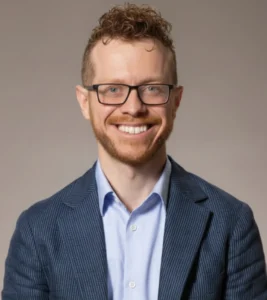
Client Development Advisor
or call us: 805-902-4550
"*" indicates required fields
Schedule a complimentary 30-minute discovery call to discuss your unique situation and financial goals.
Prefer a phone call? Call us: 805-902-4550
By providing a telephone number and submitting the form, you are consenting to be contacted by SMS text message and agreeing to our privacy policy and disclaimers. Message frequency may vary. Message and data rates may apply. Reply STOP to opt out of further messaging. Reply HELP for more information.
For general inquiries: click here.