Show Transcript
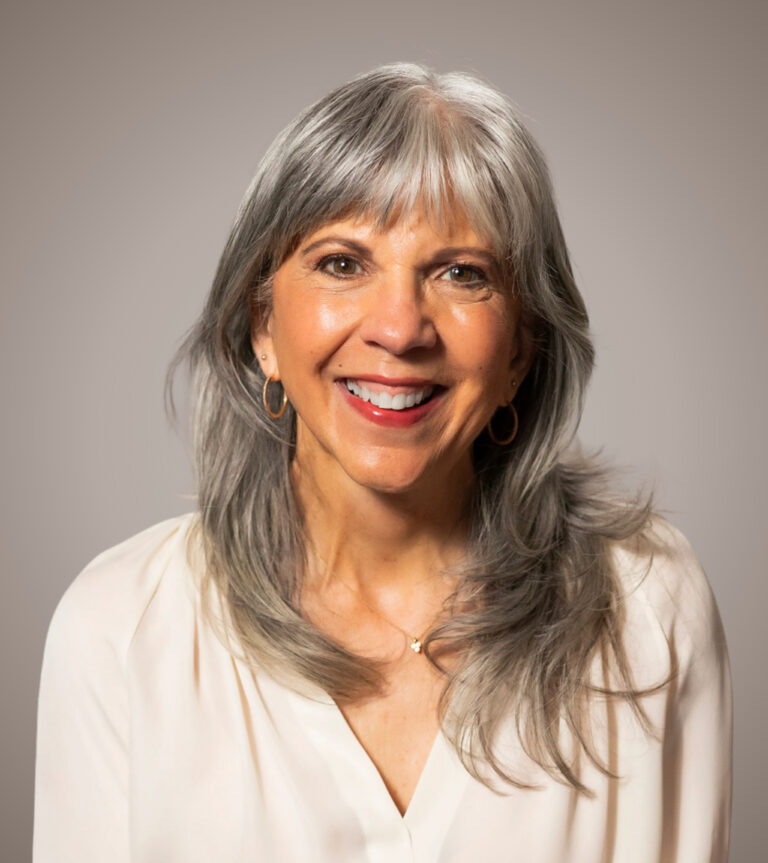
[00:00:00] Jenna Rogers: Welcome to Mission Wealth with Purpose. This is a show about the moments when life and money come together, and the decisions, transitions, and opportunities that shape what comes next. In each episode, you’ll hear stories and candid conversations with Mission Wealth advisors and industry experts. We’ll explore the questions people face, the perspectives that can help, and how thoughtful financial guidance can bring greater clarity and confidence to the decisions that matter.
[00:00:30] Jenna Rogers: Because behind every financial decision is a bigger picture, your family, your goals, your values, and the life you want to create. Real conversations, thoughtful guidance, wealth with purpose. Let’s get started.
[00:00:48] Jenna Rogers: In today’s episode, we are talking about what it really means to plan for a rich life. This is a financial planning conversation, but not in the way that people might expect. We’re not talking about [00:01:00] portfolio returns or tax strategies. We’re talking about something a lot more personal: what matters most to you, what gives your life meaning, and what do you actually want your wealth to make possible?
[00:01:13] Jenna Rogers: So this conversation is really about just stepping back from the numbers for a moment and asking, “Are we using our wealth in a way that reflects how we actually want to live?” I really love this conversation with Steph, and I hope that it gives you a simple place to start thinking about your own version of a rich life. I’m really excited about this episode because one of the things that makes this conversation so interesting is we’re both financial advisors, yet we’re going to spend most of this episode talking about things that don’t sound very much like financial planning at all.
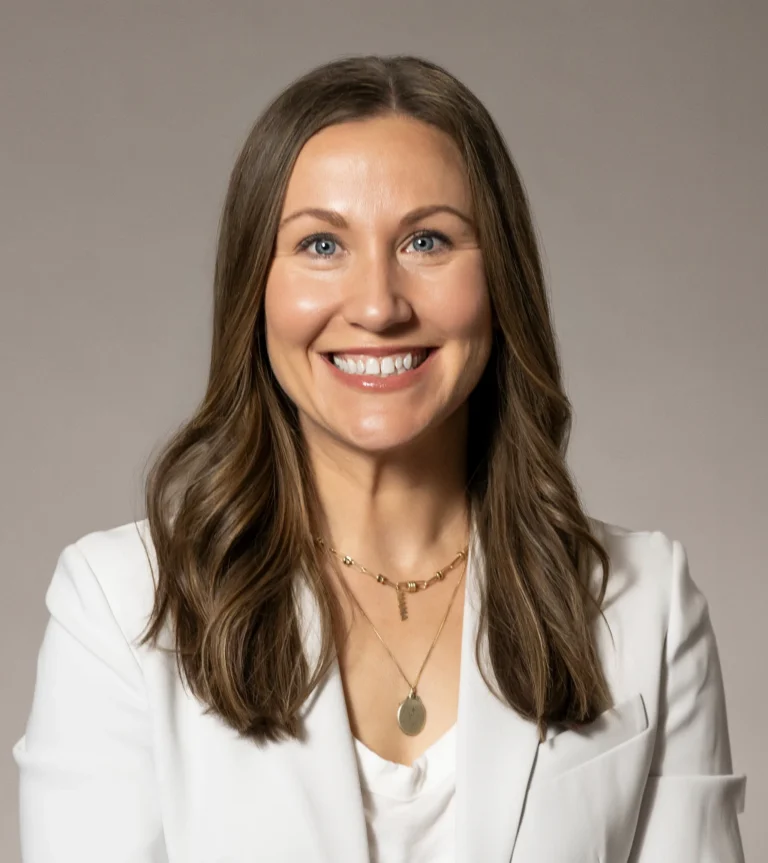
[00:01:50] Jenna Rogers: So talking about purpose and service or maybe a bit about creativity, and what you want to make possible in your [00:02:00] life. So I’m here today joined by Steph Bruno. Steph is a partner and a senior wealth advisor here at Mission Wealth, and she’s also a registered life planner, which is especially relevant to today’s conversation.
[00:02:14] Jenna Rogers: She splits her time between Denver and Seattle, and you can find her out on the water or out with her husband, Steve, or her golden retriever, Lily. Steph, I’m so happy to have you here today.
[00:02:27] Stephanie Bruno: Jenna, I’m so excited to talk with you and talk about this work that I’m so passionate about.
[00:02:32] Jenna Rogers: Yeah. Well, before we get into what planning for a rich life actually looks like, let’s start with you.
[00:02:40] Jenna Rogers: So maybe share with us a bit about yourself and how you got drawn to this work.
[00:02:45] Stephanie Bruno: Yeah. So I’ve been a financial advisor for more than 20 years, and I think the culmination of how I got started in this work was I had this small business client. We had done [00:03:00] great financial and tax and estate plans. We grew his investments.
[00:03:05] Stephanie Bruno: He was then at the point where he was ready to retire, and not only could his kids not take over this small business or do something equally inspiring on their own, we were having to set up spendthrift trusts so they wouldn’t spend through their money. And also, there was this real power dynamic with money.
[00:03:30] Stephanie Bruno: It created some dependency with the kids, so the relationships were strained. So here he is at the point in his life where he’s ready to retire. He’s got all the money he needs, and I think back to what he told us in the beginning of our relationship is that his kids were the most important to him. And at that point, I felt like we failed him.
[00:03:55] Stephanie Bruno: What good is the money if it’s not going to be [00:04:00] used for the things that are most important to him? So at that point, I really wanted to help clients focus not only on the financial capital, that’s really important, but also the human capital, so that they can use their money for the things that are most important to them.
[00:04:17] Jenna Rogers: I love that. Missing the deeper goal. It’s like, what’s the point if you’re missing the deeper goal of it all? Yeah. The financial plan gets the pieces together, but if it’s not the life you want, well, what’s the point?
[00:04:32] Stephanie Bruno: For sure.
[00:04:32] Jenna Rogers: Yeah. Was there maybe a point in time where you realized, like, “I want to practice financial planning differently,” or what does that look like?
[00:04:41] Jenna Rogers: How does someone practice financial planning differently?
[00:04:45] Stephanie Bruno: Well, as we could hope, out of failure usually comes some growth, right? So at that point, I began reading Ted Klontz, Lynne Twist, George Kinder, all the greats that have done this work before me. [00:05:00] And George’s work really struck me. He was an accountant, and yet his clients were asking him for more, right?
[00:05:07] Stephanie Bruno: They were ready to have deeper conversations. And so that work really resonated with me. And really, you have to go through that process yourself, so then I could see my own empirical evidence of the process, right? I had the results I wanted by going through that process, and had a deeper connection to my resources as well.
[00:05:31] Stephanie Bruno: And so at that point, I also realized, like I had been doing this work for a long time. I was good at it. I got my accreditations, but I hadn’t really always loved it. I was just good at it. And it wasn’t until I could really help clients use their money for the things that are important to them, whether it be for themselves, for their family, for their communities, that I really felt like I found my life purpose.
[00:05:59] Stephanie Bruno: [00:06:00] Hmm.
[00:06:01] Jenna Rogers: I love that.
[00:06:02] Stephanie Bruno: Thanks.
[00:06:02] Jenna Rogers: Taking it from the work to the meaningful impact.
[00:06:06] Stephanie Bruno: Yeah.
[00:06:06] Jenna Rogers: Mm-hmm. Yeah. I have an example of a client that I was able to help that’s exactly what you’re explaining, where it became more meaningful and had more of an impact on you personally, where the joy of the work started coming about, and I actually shared this story on our intro podcast, the intro episode, but I feel like it’s worth sharing again because it really gets to the heart of why we do what we do.
[00:06:36] Jenna Rogers: And it’s a client whose husband had passed away and he’d always managed the money. And after he passed, I think the key question was, “What do I actually want to do with this wealth?” And she didn’t really know. And we went through not a formal training, ’cause I don’t have necessarily a formal training on how to go through this process, but it was more so just [00:07:00] naturally, what are the different things that you want to do?
[00:07:02] Jenna Rogers: How do you want to spend your life? How do you want to spend your wealth? And we identified charitable giving was an area she’d always wanted to give back to, but she honestly didn’t think she could afford to because her husband had very much the save sort of scarcity mindset, and little did she know that they had built a very substantial net worth and that she could give back charitably, to a large extent.
[00:07:28] Jenna Rogers: So we together went and identified charities, went to some in person, spoke on the phone with a lot of the various directors, learned about their purposes, and identified a number that she continues to support to this day. I mean, it’s been, goodness, like six or seven years, I think, since we did all of that work.
[00:07:46] Jenna Rogers: But behind the scenes, we were doing the tax planning and looking at the concentrated positions, but all of that planning work, there’s not really any point to doing it if she hadn’t first identified where [00:08:00] she wanted those resources to go. So I’m curious if you’re talking with someone in a situation like that where they have the resources but they’re not really sure what to do with them, maybe what tools would you use to help figure that out for somebody?
[00:08:17] Stephanie Bruno: Yeah. Well, first I just want to say, wow. You don’t always need a formal process. Sometimes you just have to sit with your client and be where they are, ask good questions and listen, and obviously you’re a fabulous advisor and you do that with your clients. So how lucky are they to have you as well?
[00:08:35] Stephanie Bruno: I would say if clients don’t know where to go but they’re looking for a little bit more, we have different levels that they can engage with in this work. So the first is what we call the 12 dimensions of wealth. So thinking beyond just the financial. Financial is one of them, but it could also be things like my living environment, my health, spiritual, anything that would [00:09:00] affect who we are as human beings.
[00:09:02] Stephanie Bruno: And that’s a place where you could go, you can do a quick survey, you answer some questions, and when you do that survey, it will actually give you some good insights that say, “Hey, here’s an area where I’m thriving.” And it might say, “Well, here’s an area where I’m developing,” or, “Maybe I need to spend a little more time here.”
[00:09:22] Stephanie Bruno: We all have busy lives and sometimes it’s hard to allocate ourselves to everywhere, but maybe there’s an area that’s important to you that you’ve sort of let get behind, is what I would say. Another is a values exercise that we do with individuals. We also have done it with families, which has been great as well, like helping them zero in on the values that are important, and then getting to those values and saying, “Okay, is this where we’re spending our resources?
[00:09:50] Stephanie Bruno: Are we spending our money here? Are we spending our time here?” And so that can be a really good check-in as well. And then if they’re wanting something a little bit more, [00:10:00] my favorite is what we call planning for a rich life, and I think that, to me, is the next level of helping clients to really create a vision for what they want to do for their lives.
[00:10:12] Jenna Rogers: Hmm. And who doesn’t want that? Planning for a rich life. It sounds the end-all be-all. Well, one of the things that’s really fun about this work is that this isn’t just something we ask clients to do, right? So you’ve done this work yourself. You’ve gone through these exercises. When you’ve gone through the 12 dimensions for your own life, is there anything that has surprised you about what you’ve discovered?
[00:10:37] Stephanie Bruno: Yeah. I think one of the areas where I was developing was family, right? You get busy, and sometimes we don’t spend as much time with our family. We take them for granted a little bit. Both my husband and I live away from our families of origin, so we have to be very intentional about that. I’m the youngest of five, and I have an [00:11:00] older sister who’s 19 years older than me, and I just realize, my time with her is precious.
[00:11:05] Stephanie Bruno: I want to spend more time with her. So I really had to get intentional about planning time with her, and quality time too, like where I was really present and we could enjoy one another. And this year, we took a cruise together. She has some mobility issues, so we planned something that she could do, right?
[00:11:23] Stephanie Bruno: So
[00:11:24] Jenna Rogers: Yeah. It seems like relationships is probably a very relatable one, ’cause I imagine when you ask pretty much anybody, they would say, “Yeah, relationships. My family, my friends, they matter the most to me.” But then you look at your actual calendar or where you’re spending your energy and does it reflect that that’s what matters?
[00:11:44] Jenna Rogers: So I love that you have intentionally taken the time to take those trips and to spend time with the people that matter the most. Yeah.
[00:11:54] Stephanie Bruno: Yeah. What about you? I know you’ve done this work.
[00:11:56] Jenna Rogers: I have, yeah. It’s always the same [00:12:00] thing for me that feels lacking, and it’s creativity. So I feel like it’s partly because of my personality type, I really need to feel like I have an outlet for my creativity, and sitting at a desk for 10 plus hours a day doesn’t really lend itself to feeling very creatively fulfilled.
[00:12:20] Jenna Rogers: So, I’ve tried many things to add more creativity in my life, and one of those was purchasing a DJ set about a year ago. I’ve had the dream since I was probably 14 or 15 to DJ. And I still want to be able to take, like, The Doors and then mix it with the Spice Girls or maybe different eras or genres and mix them up.
[00:12:47] Jenna Rogers: But news alert, it is very hard to learn how to DJ. I had no idea. So I haven’t learned yet. Keyword is yet. But I think that there’s still value [00:13:00] in that awareness, right? It’s kind of in the back of my mind, and I know that when I have the capacity or the ability, that’s one of the things I’m going to think of, is let’s work on that creative outlet and focus some energy there.
[00:13:16] Stephanie Bruno: That is wonderful, and Jenna, I think we’re going to book you for the next Mission Wealth retreat, so yeah.
[00:13:21] Jenna Rogers: There you go. If you put a time deadline on me, maybe that’s what I need, right? I need, “Here’s the retreat date that you need to be ready by.”
[00:13:32] -: Yeah.
[00:13:34] Jenna Rogers: Well, let’s talk a little bit more about planning for a rich life, and what does that mean? How is it different than traditional planning?
[00:13:43] Stephanie Bruno: Well, great. Let’s start with what it’s not. So first of all, it’s not mandatory. We invite clients into this process. I hope they accept, but it’s really up to them as well.
[00:13:56] Stephanie Bruno: And it’s also not therapy, right? [00:14:00] It’s not something where people need to be afraid. We’re not going to psychoanalyze them. And it’s not also a situation where I, as the advisor, pretend to have all the answers, right? I’m not going to tell clients how to live their lives. My clients, like our listeners out there, are smart.
[00:14:17] Stephanie Bruno: They’re very capable. It’s more of a facilitation role, right? It’s helping busy people slow down and figure out, is the path they’re on the one that’s going to bring them fulfillment? Or is it the path that their parents wanted them on? The path that pays them a high salary so they feel they can’t step away?
[00:14:41] Stephanie Bruno: The path that pays the mortgage? Is it really feeding them, or do they need to take a step back and look at what would be really great for them? And in some cases, it might be that they’re on the right path. It doesn’t mean something’s broken or that they have to have regret. It just means slowing [00:15:00] down and saying, ”
[00:15:00] Jenna Rogers: Yeah,
[00:15:01] Stephanie Bruno: this is the life I really wanted.”
[00:15:03] Jenna Rogers: Mm. I keep thinking intentionality. That’s just the word that I keep coming back to. That’s actually my word of the year. Yeah. Each year I pick a word, and intentional has been the word of the year, so I very much resonate with a lot of what you’re saying. Well, I’ve heard you talk about creating a space for people so they can identify what they want.
[00:15:24] Jenna Rogers: Do you maybe have an example of kind of what that actually looks like?
[00:15:28] Stephanie Bruno: Yeah. So first of all, I invite them into the process. So again, not mandatory, but I will see if clients are interested, and if they are, then we take the next step. If they want to have a deeper conversation, there are three questions that they need to answer, and if they’re married, each of them need to answer.
[00:15:48] Stephanie Bruno: And this is the hard part, they need to not share their answers with one another.
[00:15:52] Jenna Rogers: Okay.
[00:15:52] Stephanie Bruno: There’s a method to the madness there, but everybody gets to have, like, their own dreams. Any good [00:16:00] relationship is made up of people who have their own dreams and thoughts and vision. Of course, they have overlapping dreams and goals too, but sometimes we each have those hidden desires that may not be the one that our partner has.
[00:16:12] Stephanie Bruno: So once we have these answers, then we just set up time for a conversation, much as you and I are doing right now. But through that conversation or facilitation, what we’re really trying to find out is what really lights this person up. Like, what is going to make them truly excited to use this hard-earned money that they have for themselves or their family or their community?
[00:16:39] Jenna Rogers: Mm. Do you have any examples of clients that you’ve gone through this process and realized, surprisingly, “Whoa, this lights you up. Not what we were expecting”?
[00:16:49] Stephanie Bruno: For sure. So I worked with a couple earlier this year, invited them into this process, and right away, the husband sent back his [00:17:00] answers to the three questions.
[00:17:01] Stephanie Bruno: And I have to say, I was a little surprised. So kudos to him for being on it. But he really wanted his wife to retire, and he felt like this process would be important for her to do that. And then she sent her answers in, and we had scheduled time for a conversation. And so in this conversation, the wife went first, and what she really wanted was freedom of time.
[00:17:25] Stephanie Bruno: She had been working her whole life. She was a researcher, and she lived far away from her family, and she wanted the ability, at a drop of a hat, to be able to pick up and go to her daughter and help with her grandkids if her daughter needed it or go to her sister’s and help her if she needed it. So that was really important to her to have that freedom of time that she felt like she really hasn’t had most of her life.
[00:17:53] Stephanie Bruno: And then also, she did great work and she wanted to really transition that work well [00:18:00] so that she could feel proud in this career she worked so hard on. So that was really great. And so the next was then the husband. And when we’re doing this, we really focus on that person and then we ask each spouse for feedback afterwards.
[00:18:17] Stephanie Bruno: And so the husband started talking, and he’s a pilot, and he shared that he had this dream of helping people in rural areas through this international nonprofit fly from these rural areas to, like, urban areas to get emergency medical care.
[00:18:40] Jenna Rogers: Wow.
[00:18:42] Stephanie Bruno: Yeah. Wow. And also, not only that, but part of the reason he wanted to do it is because his mom had transferred the value of service onto him,
[00:18:54] Stephanie Bruno: and he felt like that also supported that value. [00:19:00] Now at this point, I’m not only in shock, but so is his wife, right?
[00:19:04] Jenna Rogers: Really?
[00:19:04] Stephanie Bruno: So this is the beauty of opening up in this conversation together, and she even said, “He never talks. You have this conversation, he just opens up.” And so here she got to learn about something he had held inside and really wanted, and was finally able to share that this is something he really wanted to do.
[00:19:28] Jenna Rogers: Mm.
[00:19:29] Stephanie Bruno: Yeah.
[00:19:30] Jenna Rogers: That’s really neat. Yeah. It’s really just creating that space.
[00:19:35] Stephanie Bruno: Really, yeah. It’s not magic. They’re coming up with the ideas. It’s just slowing down and saying, “What do you really want?”
[00:19:44] Jenna Rogers: Yeah. Yeah, which is so hard to do in our day to day. You really have to be thoughtful about it.
[00:19:52] Jenna Rogers: Well, once you heard from both of them about what they wanted, how did that change the financial planning, or did you do anything differently [00:20:00] with that information?
[00:20:01] Stephanie Bruno: Yeah. Out of this process, we come up with what are the obstacles to this vision, this life they want to have, and I don’t come up with them, the clients do.
[00:20:10] Stephanie Bruno: Because if they have obstacles, they’re not likely to move forward. And so for the wife, financial was a definite obstacle. She was just sure they didn’t have enough money to retire, and this was just going to be a problem. So, luckily, the financial obstacle is one I could handle, and I was able to show her, “Look, your plan looks fabulous.
[00:20:29] Stephanie Bruno: Even with this new goal of last-minute expensive flights in addition to your other travel, you look great.” Not only that, but we discovered her pension wasn’t going to grow if she kept working, right? So that’s something else to consider. Like, okay, I’m working, but my pension isn’t going to go any higher.
[00:20:47] Stephanie Bruno: And also, since they were high earners, if she stepped away, it was going to be a really good time for them to do some Roth conversions. So, it also benefited some other planning that they had wanted to do. And then on the [00:21:00] husband’s side, like if he really does move forward with working with this international nonprofit, like how do we sure up the risks that come with that so it’s protecting their resources as a family as well?
[00:21:13] Stephanie Bruno: So.
[00:21:14] Jenna Rogers: Yeah, a lot of moving pieces that they’re so lucky to have you to help with that side of things. Yeah. Do you think that everybody should be doing this type of planning?
[00:21:26] Stephanie Bruno: Well, here’s what I’m going to say. I, as we mentioned, had to do this work myself, right? And I can say that my life vision has come true, right?
[00:21:38] Stephanie Bruno: I am leading a life I could not have imagined years ago, and that’s why I’m so passionate about this work. So should everybody be doing it? I think everybody deserves it. And so yeah, everybody deserves to have this work.
[00:21:53] Jenna Rogers: Hmm. I love that. Everybody deserves to have this work. That’s really beautiful.
[00:21:59] Stephanie Bruno: Thanks.
[00:21:59] Jenna Rogers: [00:22:00] Yeah. Well, we’ve talked about a lot of different ways that someone can start thinking about this, but one of the things that Steph and I talked about was making sure that there are some tangible takeaways after our conversation today. So we’ve put a True Wealth Priorities exercise in the show notes.
[00:22:20] Jenna Rogers: Download it, spend a couple minutes on it. You don’t have to share it with anybody, or you can if you want to. But just sort of see what rises up for you and ask yourself, “Is there a gap between what’s important to me and then how I’m actually spending my time or how I’m actually spending my resources?”
[00:22:39] Jenna Rogers: Steph, if somebody goes through the exercise and they see that there is a pretty big gap, any suggestions for them?
[00:22:47] Stephanie Bruno: Yeah, just two things. So one, write down the ideal state first. We know if we write something down, it’s 42% more likely to happen. That’s been proven by research. The next [00:23:00] is just take your next best step.
[00:23:02] Stephanie Bruno: Don’t worry about everything it’s going to take to get there. Just take what is the next best step. So I’ll give you an example. I had a client, we were waiting until she turned 55 to retire. She was an executive at a large global engineering firm. Loved the work, but didn’t like the pace. Wanted to spend more time writing novels, right?
[00:23:22] Stephanie Bruno: And so to transition, we decided that maybe what she could do was be on company boards because she has some expertise. And so her next best step was to go do some board training, right? How do I be a good board member, and how do I prepare myself to be a good candidate to be on corporate boards?
[00:23:42] Stephanie Bruno: That was her next best step. We didn’t have to solve everything at that point in time.
[00:23:46] Jenna Rogers: Yeah. Start small.
[00:23:48] Stephanie Bruno: Yeah.
[00:23:48] Jenna Rogers: Just pick one area that maybe feels meaningful or a small action that you can take. Love it.
[00:23:55] Stephanie Bruno: Yeah.
[00:23:56] Jenna Rogers: Yeah. Well, maybe we have some listeners that [00:24:00] are listening to this and thinking to themselves, “I need to be having this conversation.”
[00:24:06] Jenna Rogers: How do they go about doing this, or who is this work best for?
[00:24:11] Stephanie Bruno: Well, I think the work is good for everyone, right? I would say, I do a lot of work with executives and professionals who have complex lives. They’ve made their own money, and they just want to be good stewards of it. So I think those are people who I’ve helped quite a bit.
[00:24:27] Stephanie Bruno: I think people in transition especially this is good for, if you’re going into retirement, or if you’re going into empty nesting, if you’ve had a tragedy and you need to regroup, it’s also a good time to look at it, just like you did with your client that was a widow, right? To do that work and ask deeper questions and think about, what is it I want now?
[00:24:47] Stephanie Bruno: So.
[00:24:48] Jenna Rogers: Yeah. Is there anything related to rich life planning that we could all do today or tonight?
[00:24:58] Stephanie Bruno: Yeah. I think one of [00:25:00] the first questions in this planning for a rich life is, if you knew you had all the money in the world to meet your needs, not only now but in the future, how would you live?
[00:25:14] Jenna Rogers: Hmm. That’s a big question. That is a big question. Do you have an answer for that?
[00:25:23] Stephanie Bruno: I do. This might be the point in the podcast though where I tell my husband to turn it off because he’s not going to like this answer. ‘Cause it involves three or four more golden retrievers, and I take this team
[00:25:36] Stephanie Bruno: of therapy dogs, and we go out, and I unleash them on people who are in pain or need relief or just need some love, and I think that would be my next step.
[00:25:50] Jenna Rogers: Oh, that is an amazing dream. Yeah. And rewarding for everybody involved.
[00:25:56] Stephanie Bruno: Yeah, I hope so. Yeah. Mostly me, though, I have to say. [00:26:00]
[00:26:00] Jenna Rogers: Maybe not so much your husband,
[00:26:01] Stephanie Bruno: Yeah,
[00:26:02] Jenna Rogers: dealing with five dogs.
[00:26:03] Stephanie Bruno: Yeah. What about you, Jenna?
[00:26:05] Jenna Rogers: Yeah. I think I probably need to sit with this question for a little bit longer, honestly. But I don’t know that I would change too much. I feel like I really love what I do. I don’t think I would stop if
[00:26:19] Jenna Rogers: I knew I had enough. I don’t think I would stop working. But I think I would probably change the pace a little bit, with more room to create or have deeper conversations. For example, at my son’s preschool drop-off this morning, I’m like, I have to be in the office. I’m racing.
[00:26:39] Jenna Rogers: I’m dropping him off. I’m setting everything down and running into the office, whereas I see a lot of the parents and they’re chatting, and they’re planning play dates and connecting with the teachers, and I don’t do that. I am in and out, onto the next, got somewhere to be.
[00:26:58] Jenna Rogers: And so I think [00:27:00] that, yeah, I don’t think I’d want a completely different life. I think that I’d just want to be more intentional about creating space for those things, being maybe a little less urgent all the time. I think that’s what it would be.
[00:27:13] Stephanie Bruno: Ah, I love that. I love that, and I love that for you, and I hope it happens.
[00:27:17] Jenna Rogers: Aw, thank you. I just gotta keep reminding myself of it. Keep it top of mind.
[00:27:23] Stephanie Bruno: Yeah.
[00:27:23] Jenna Rogers: All right. Well, we are getting close to time, and there is a question that we are asking all of the guests who are on the episodes. So if that’s okay, I would love to ask you the question. So it is, if you could offer listeners one piece of advice relevant to today’s call, what would it be?
[00:27:44] Stephanie Bruno: I think to me, what’s really important is to step back and say, “All right. This path I’m on, it may be a great one, but is it the right one for me?” [00:28:00]
[00:28:00] Jenna Rogers: Reflection. It’s the pause. Yeah. Thank you.
[00:28:06] Stephanie Bruno: Thank you. It’s been such fun, Jenna. Thanks for inviting me on today. I love our conversation and the work that we’re able to do for clients at Mission Wealth.
[00:28:15] Stephanie Bruno: It’s just amazing.
[00:28:16] Jenna Rogers: Absolutely. Amazing and incredibly meaningful.
[00:28:19] Stephanie Bruno: Hmm.
[00:28:20] Jenna Rogers: So thank you. Thank you for being here. Yeah. And thank you to everyone who’s listening. We’ll include the True Wealth Priorities worksheet that we talked about in the show notes, and hopefully it gives you a place to start, and we’ll see you next time.
[00:28:36] Jenna Rogers: Thanks for joining us on Mission Wealth with Purpose. If today’s conversation gave you a new perspective or raised a question about your own financial life, we hope it helps you approach what comes next with greater clarity and confidence. To learn more, explore additional resources, or connect with the Mission Wealth team, visit missionwealth.com.
[00:28:56] Jenna Rogers: Subscribe to Mission Wealth with Purpose so you don’t miss the next [00:29:00] conversation. And if today’s episode made you think of someone who could benefit from it, we hope you’ll share it with them. Real conversations, thoughtful guidance, wealth with purpose. Your goals, our mission. We’ll see you next time
[00:29:15] -: The views expressed in this podcast are for informational and educational purposes only and do not consider any individual’s personal, financial, legal, or tax situation.
[00:29:25] -: The information contained herein is not intended and should not be construed as a specific recommendation, individualized tax, legal, or investment advice. Where specific advice is necessary or appropriate, individuals should contact their own professional tax and investment advisors or other professionals regarding their specific circumstances and needs prior to taking any action based upon this information.
[00:29:49] -: The information provided has been obtained from sources deemed reliable. However, the accuracy, completeness, and reliability cannot be guaranteed. Tax laws are subject to change, either [00:30:00] prospectively or retroactively, and the opinions expressed are subject to change at any time without notice. Mission Wealth Management LP is a registered investment advisor.
[00:30:10] -: Investment advisory services are provided through Mission Wealth Management LP. For additional information about Mission Wealth, including fees and services, please contact Mission Wealth or refer to our Form ADV Part 2A, which is available on the Investment Advisor Public Discourse website, www.adviserinfo.sec.gov.
[00:30:34] -: Registration of an investment advisor does not imply a certain level of skill or training. The advisor’s personal comments and results may not be representative of the experience of other advisors or clients, and there is no guarantee of future performance or success
 Mission Wealth | With Purpose explores the decisions, transitions and opportunities that shape our wealth and our lives. Through real stories and candid conversations with Mission Wealth advisors and industry experts, each episode offers practical perspectives on navigating life’s pivotal moments- personally and financially. Whether you’re facing a big change, supporting someone you love or planning what comes next, these conversations bring clarity and thoughtfulness to the financial decisions that matter most.
Listen on:
Plan for the life your wealth makes possible.
Having enough money answers one financial question. Knowing what you want that money to make possible can be much harder to figure out.
In the first episode of Mission Wealth | With Purpose, host Jenna Rogers talks with Stephanie Bruno about planning for a rich life: an approach that begins with your values, relationships, purpose, and time, then connects them to the financial decisions that follow. Drawing on more than 20 years as an advisor, Stephanie shares the client experience that changed how she practices, the exercises she uses to help clients see what matters most, and why taking your next best step can make a bigger vision feel achievable. Together, Jenna and Stephanie explore real client stories involving retirement, charitable giving, couples planning, and service.
Key Takeaways
- Human Capital Matters: Financial planning can succeed on paper but fail in reality if it doesn’t align with a person’s deepest cares and most important relationships.
- Write Down the Vision: Documenting your ideal life state makes it significantly more likely to happen.
- Start With Small Steps: Focus on one manageable action toward your broader goals rather than feeling overwhelmed by the whole roadmap.
- Pause and Reflect: Ask yourself, “Is the path I am on the right one for me, or just the path I happen to be on?”
Questions this episode helps answer
Your financial plan should reflect the life you want to live.
Retirement, a career transition, the loss of a spouse, an empty house: these are the moments when financial decisions carry real weight. They are also the moments when it becomes clear that a plan built only on numbers can leave the most important question unanswered.
Planning for a rich life begins with what matters most to you, so every decision about investing, taxes, giving, and retirement has a clear purpose behind it. You may discover that you are already on the right path. You may find an area of your life that deserves more of your time and attention. Either way, knowing what you want gives your financial plan direction.
In this episode, you’ll hear
- Why Stephanie felt a successful financial plan had still failed a client, and how that changed her practice
- The influence of George Kinder, Lynne Twist and Ted Klontz on her approach
- Three ways to start: the 12 Dimensions of Wealth, a values exercise and planning for a rich life
- What rich life planning is not: mandatory, therapy, or an advisor telling you how to live
- Why spouses answer the three starting questions separately
- How a couple’s vision of freedom and service changed their retirement timing, tax planning and risk planning
- Steph’s two steps for closing the gap: write down your ideal state and take your next best step
- Who this work can help most, including executives, professionals and people facing retirement, empty nesting or loss
A question to sit with: If you knew you had all the money you needed, now and in the future, how would you live?
Resources