



Beyond these important steps, there is more that can be done. In order to amass substantial wealth, one needs competitive growth rates on their savings and as much consistency as possible (i.e., avoiding big losses). To achieve this objective, broad diversification is required.

There is even more that can be done if someone is really serious about maximizing wealth. It has to do with planning for the four assets that are often ignored and underutilized.
By paying attention and thinking strategically about a residence, career or entrepreneurial ideas, excess cash and retirement plans, people can optimize assets that may be under performing and add wealth and increased financial security to their bottom line.
1014745 2/18
Mission Wealth is a Registered Investment Adviser. This commentary reflects the personal opinions, viewpoints, and analyses of the Mission Wealth employees providing such comments. It should not be regarded as a description of advisory services provided by Mission Wealth or performance returns of any Mission Wealth client. The views reflected in the commentary are subject to change at any time without notice. Nothing in this commentary constitutes investment advice, performance data, or any recommendation that any particular security, portfolio of securities, transaction, or investment strategy is suitable for any specific person. Any mention of a particular security and related performance data is not a recommendation to buy or sell that security. Mission Wealth manages its clients’ accounts using a variety of investment techniques and strategies, which are not necessarily discussed in the commentary. Investments in securities involve the risk of loss. Past performance is no guarantee of future results.
KEY TAKEAWAYS
Beyond traditional investments, your home equity, intellectual capital, excess cash, and Social Security benefits are four powerful but often overlooked assets for building wealth. Home equity can be deployed through strategies like downsizing or reverse mortgages to generate retirement income, while intellectual capital—your unique skills and expertise—may be your greatest untapped earning resource. Holding excess cash beyond a reasonable emergency reserve loses purchasing power to inflation every day, making it one of the costliest financial mistakes investors make.
Schedule a complimentary 30-minute discovery call to discuss your unique situation and financial goals.
"*" indicates required fields
By providing a telephone number and submitting the form, you are consenting to be contacted by SMS text message and agreeing to our privacy policy and disclaimers. Message frequency may vary. Message and data rates may apply. Reply STOP to opt out of further messaging. Reply HELP for more information.

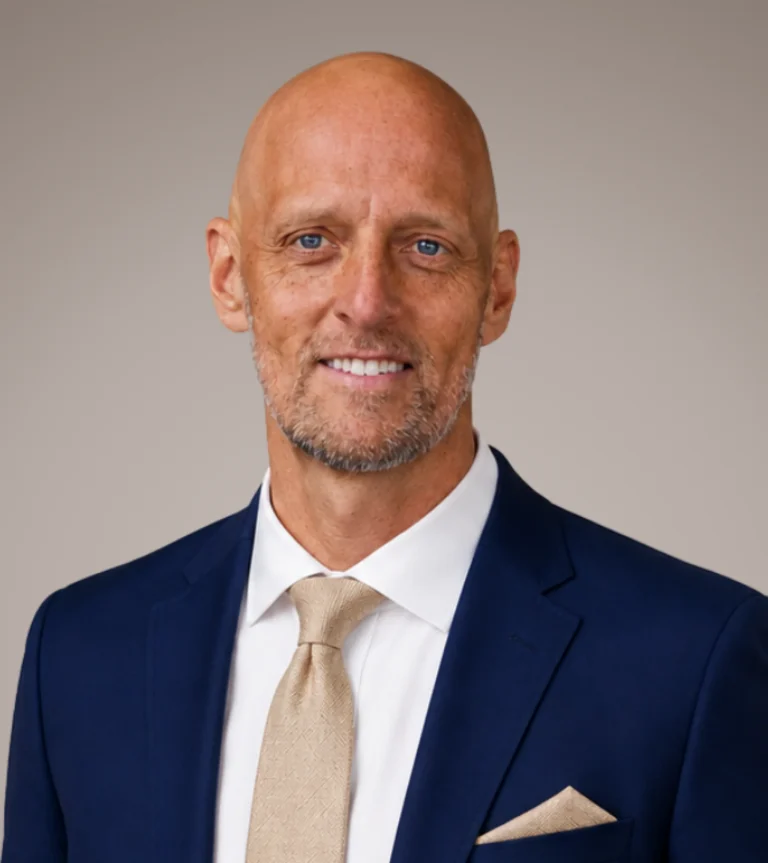
Client Development Advisor
or call us: 805-902-4550
"*" indicates required fields
Schedule a complimentary 30-minute discovery call to discuss your unique situation and financial goals.
Prefer a phone call? Call us: 805-902-4550
For general inquiries: click here.
By providing a telephone number and submitting the form, you are consenting to be contacted by SMS text message and agreeing to our privacy policy and disclaimers. Message frequency may vary. Message and data rates may apply. Reply STOP to opt out of further messaging. Reply HELP for more information.