
No results can be found
Mission Wealth's INSPIREDtalk with Ryan Frederick: The Art of Place Planning
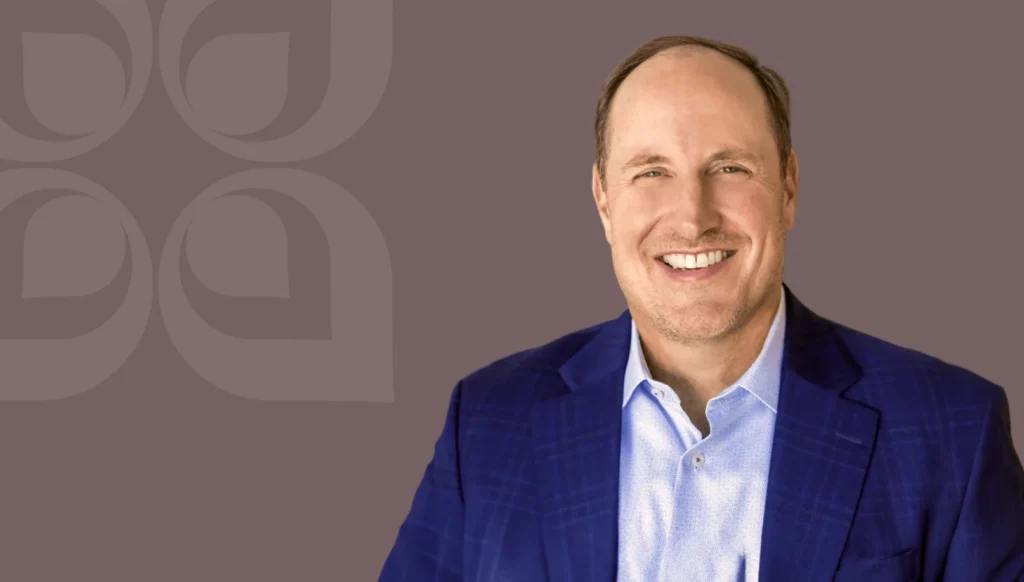
[Music] welcome to today’s inspired talk the art of place planning a framework to find the best home for every stage of life with Ryan Frederick I’m CER Mission wealth Chief impact officer and as you know our firm’s purpose is to empower people to realize true wealth and we know that true wealth is about more than optimizing our finances it’s really about living a fulfilled life and these inspire talks are designed to help improve our lives by expanding our definition of wealth across different dimensions and today we’re going to be having a conversation about the environment Dimension which is one of those 12 dimensions and it’s really about feeling a sense of place and alignment with where you live let’s kick off with a couple poll questions just to see how this lands with our group please answer this question are you considering any change of place of your primary residence or secondary residence or no I’m not planning to to think of any transitions anytime soon okay so 51% of our people are considering a change of a primary residence in the next 5 years another 177% are considering uh the addition of
a vacation home and less than a third are not planning to move anytime soon so over two-thirds of the group uh has uh a change of place kind of at the top of Mind well thank you for sharing that uh we’re going to do one more poll question before we begin to what degree do you feel like your environment affects your sense of fulfillment to a high degree a good amount a little bit or not much at all 70% feel a very high degree and another 20 29% a high amount so clearly we’re in the right place we’re ready to jump in and think a little bit more deeply about Place planning and we have just the guy to do it uh Ryan Frederick is a global expert on the intersection of place and Longevity as a founder and CEO of here Ryan is amplifying the impact of his recent book right place right time to provide content courses and coaching in place planning this is a holistic research-based approach to help people find the right place for every stage of Life unlocking joy peace of mind and a sense of fulfillment with over 20 years in the field Ryan has worked with dozens of organizations including Fortune 500
companies Health Systems and housing developers and operators his work has been featured on CBS News The Washington Post Forbes and other media outlets and he’s done numerous podcasts dedicated to healthy longevity Ryan serves on the advisory Council of Stanford center on longevity he graduated from Princeton University and Stanford Business school and he resides in Austin Texas Ryan we really appreciate you sharing with our mission wealth Community today yeah great to be here SE um well thank you so much for including me and I’m excited about uh this this particular message of course and as you point out Seth it sounds like your your audience uh they’re they’re geared up for this they they see the connection between your uh dimensions of Life uh and how it links into environment so thank you everyone for being with us what I thought I would do is just share just a couple minutes uh foundationally before we get into some questions uh as Seth alluded to uh that um he has and others that are queued up and we encourage you to be as interactive as you like asking questions um in the Q&A section um just a word of
my background just to add a little more detail to what Seth described is I’ve been uh really fascinated about this this question around longevity and the role of place for about 20 years so I was in Silicon Valley before that uh really drawn to Innovation and have now over those 20 years had a variety of different experiences I’ve worked for housing companies I’ve lived in in communities actually Senor living commun so I’ve seen that particular lens in the second half of Life part of today’s conversation was really an outgrowth of a book I wrote right place right time is Seth alluded to and some of the ripples from it and a recognition that um I think I stumbled upon the fact that where we live has such a huge impact on our lives I think much more than many of us realize so without Ado for just a moment is lay out kind of three big Ideas uh and then again roll back into some questions and so the first idea I’d like to share with you is more broadly and I understand from Seth that the number of PE people that have come in for these particular webinars are pushing the boundar of of wealth in this
broad definition is selfes self-described and Longevity is one of the themes and so just to start off I think it’s important to recognize that longevity is a gift but healthy longevity is earned and so we look at the last uh Century I would argue probably the the one of the biggest if not the biggest uh uh benefits blessings even of the of the centuries the fact that life expectancy more or less doubled from around 40 to 80 and this is expected to continue uh in our Century um we have about a 100,000 people that have lived that are centenarians who live who are 100 or older we expect that number to more than quadruple within 30 years to over 400,000 people and so this idea the 100-year life is is a reality uh for more and more of us uh certainly from a planning context that’s important so as individuals we got to think about it and I’m sure Mission wealth and and the advisory Community uh has to think about more of this and Advising clients how do we manage wealth in the different dimensions that Seth described over this longer chapter and in some ways there’s people uh that have a more bullish
Outlook a Dr Rosie and he’s the chief Wellness officer at the Cleveland Clinic he wrote a book several years ago called the Great age reboot and his perspective uh just his but nonetheless one to perhaps think about is with the gains that we expect through technology and health care and genomics uh advances we have this moving Target of life expectancy so if you were say 55 today when you were born life expectancy was 74 well based on his estimates for example he sees the average life expectancy really being 115 similarly if you’re 75 today when you were born your life expectancy was 68 he similarly sees a an average life expectancy of 100 another 25 years so the point in this as we as we play this out is it’s not just lifespan is not static it’s moving because of the different things that are happening in our lives but to S Point earlier about wealth it’s not just about how long we live uh it’s also about having the financial resources so the the wealth span the number of years that you are financially secure and then also your health span the number of years that you’re in good health and we know from
science that genetics only account for about 20% of your longevity it’s much more about lifestyle and environment and so as we think about it again longevity is a gift because we live in this modern era but healthy longevity is earned and that comes through purpose and social connection uh and so on and the second point I want to raise with you is that that place I believe is really the key to healthy longevity and you heard some of this message I think from a a prior speaker on this webinar uh Dan butter you know the founder of blue zones and the work that he’s been doing for a couple decades now uh his insights in learning from where have people lived the longest healthiest lives this kind of handful of places across the world well it’s it’s an acknowledgement that really Place shapes us more than we shape place and when we decide where to live and where to kind of be activated where we live uh we’re we’re looking not out we’re looking out not just for our current selves but our future selves and when I say placed it just put a little bit of detail around that uh in the work that I’ve done in this area Uh
u i really see it as four dimensions there’s the environment component which is really the physical piece the square footage the local ation Etc uh there’s a second piece I see which is really about your health uh how the way it influences your physical activity your diet your sleep and so on the third area is in in the dimension of of connection so in the way that that place shapes your social networks your closest friends uh your periphery friends but that whole notion of of the community supporting you and you supporting your community and then the fourth uh and and final Dimension is really the financial recognizing that the place uh for many of us that own our home it shows up as as an item on our an asset on our balance sheet but also where we live is is very instrumental in our cost of living uh as we live these longer lives potentially as long as Dr Rosie and talks about um that means that we have to think about how do we secure our you know Financial wellbe plac has a key role in that and so the third thing third of three I’d like to leave you with as we set the foundation is that
like timing isn’t something like timing is everything so this idea that may one place that might have been perfect when you maybe were first out of college uh may be different when you’re raising a family or may be different when you’re an empty nester and and different when you’re uh when you’re older and recognizing that you needs change but so do places as well so we have to think about not just understanding how important you know environment is but also making sure that we’re cognizant of the life stage that we’re in so with all that part of the idea coming out of writing this book and the ripples it created is a recognition that this place Dimension or his environment as Seth has in his in his wheel is so important that it deserves I believe its own discipline and I call that place planning and so the idea is if we care enough to eat our broccolis or make sure we walk our 10,000 steps a day even more so should we focus to make sure that’re we’re living in a place allows us to thrive that the way that we can and when I talk about Poli planning which we getting more as we we open up the Q&A and so on
it’s really being intentional about recognizing your like specific needs and desires for the life state that you’re in and making sure you’re kind of mapping it to the right place to help optimize your odds of being of thriving uh recognizing that there’s risks involved we’ll get into some of that in a moment but really in some cases digging in to understand what uh your preferences and needs are but also particular if uh if you have a spouse or a partner how the two of you think about this uh along the journey and how do you also just like financial planning how do you like anticipate the future recognizing how there shifts and to what extent can your place be flexible as your needs change so with that just giving you a few of the basics longevity is a gift um healthy longevity is earn finding your place in my feeling is the key to healthy longevity and timing isn’t something it’s everything I have a question that I’d like to uh to drop in or encourage you to to reference I answer in the chat I believe and the question is this if there’s one thing you like to improve or change about your
place what would it be doesn’t necess mean you have to move maybe there’s a way to modify your place or maybe it’s as simple as reaching out to friends you’ve lost contact with or ones you’d like to reach get to know better uh let me say that question again if there’s one thing you like to improve or change about your place like what would it be again examples could be um you know you’re looking for more more square footage less square footage want to be closer to friends closer to family closer to grandkids maybe reduce your cost of living maybe simplify your life just so be curious to see what uh what’s on people’s minds yeah proximity friends yeah close friends and neighbors yeah absolutely natural light lower mten that’s a big one these days yeah finding ways to design your home so it’s more flexible uh is really key as your needs change yeah access to running trails I know that’s I know Seth an active active Walker so I know that that’s something he he he uh values um close to family yeah good good good list here to get us think um Seth back back to you great well thank you for kind of
outlining that orientation Ryan uh would love to have you dive a little bit deeper into something you said you said that place shapes us more than we shape place so why does Place shape us so much yeah you know Seth it’s one of these things where we we tend to overestimate how much we’re able to control our decisions and it’s uh you know I am a I would say social scientist out of curiosity I don’t necessarily have a PhD in a social science degree but as you read the research that’s out there and the different articles that are published it’s it’s crazy like where you live shapes you in the sense that if your friends friends uh are happy you’re more likely to be happy if your friends friends are obese you’re more likely to be obese if your friends friends are depressed you’re more likely to be depressed and that I’m not I’m not encouraging to encouraging you to defriend your depressed friends at all that’s not not what I’m saying here but we effectively there’s like a social contagion where you know the environment around you you you you find yourself kind of molded by it you know I give a
small funny example my family um we lived in the Mid-Atlantic for about a decade and about five years ago we moved to moved to Austin for a variety of different reasons some what certainly influenced by we did our own place planning uh our oldest was going into High School it was a good juncture for change we have family out in California but uh yeah I didn’t eat any um breakfast tacos in Baltimore but in Austin Texas like yeah eating a lot of breakfast tacos so you do find yourself just um assimilating I would say subconsciously with the culture of the place you’re part of and that culture happens at the kind of macro level Seth um but also at the micro level like what even some of the habits within your neighborhood if you’re a neighborhood where there’s a lot of Walkers you tend to say oh that’s a good idea I’ll walk I’ll walk with a friend you kind of get absorbed into it yeah makes sense we we are the company we keep and proximity really shapes the company that we keep it makes a lot of sense uh one other high level question is really around Place planning this is kind of a new term to me at
least I think probably to a lot of our mission wealth client Community tells a little bit more what does Place planning actually entail yeah so Place planning in in its uh kind of generic form Seth is basically it is providing intentionality and process to where you live and how you choose to activate where you live with a with a particular recognition for each chapter in life looking at your current chapter but also kind of a look ahead and when we look at financial planning so good analog when you’re financial planning you you’re you’re often times looking out for your future self you okay when Ryan Frederick is financial planning he’s he’s making certain decisions today that have ramifications for the Ryan Frederick you know 10 20 30 40 years from now well a similar thing happens with place like if we look and we say wait a second this decision shapes who I am such a significant ific way Place planning in it in its broad sense is just allowing some thoughts so this is an intentional decision that’s on that’s on one end of the spectrum it might mean I think about this more by myself I talk to my spouse
about it um we’re we it’s a subject we talk about that’s on one end of the spectrum the other end of the spectrum is more uh rigorous Seth it is it’s it’s following a process which better kind of unpacks the things that you value the things that you need um for your current stage and and going forward it it’s a process that allows ultimately in having like a place plan just like you have a financial plan so you have a plan that says here’s where I am here the factors going forward uh my company here that’s part of what we provide is coaching and courses for people to get to that outcome and Seth I think it’s an interesting it’s fitting that we’re having this conversation because it is um I believe it’s closely related to financial planning in fact it’s it’s quasi Financial because where you know where we live has a very important financial analysis Dimension to it it’s just that it’s so much more than that and so many of us are Place planning whether we call it or not but I would say also many of us are um maybe not as intentional as we should be and particularly for people in the second
half of Life I’ll say and even within that maybe 70 years old older these are big decisions it’s a big decision to stay where you are it’s a big decision to move somewhere else and those decisions have consequences and so if you don’t take it as seriously as you could and you make a mistake you know that can have uh a number of consequences financially relationally energy healthwise and so it’s just leaning into I think a discipline that’ll help our society Maybe better decisions around this sure and having been a financial advisor for 33 years I’ve seen how the financial planning around residency has really shifted you know it used to be that the home was a center of the financial plan and you know a family would move let’s say they got a job in a new city they got their home and then everything built around the home maybe their place of worship their kids schools where they Sho the parks they went to the neighbors and you know the home was usually the the most prized asset said on the balance sheet and we’ve seen you know with kind of Millennials and younger and obviously with the pandemic and with digital
Nomads there’s been a huge shift where people aren’t wanting the home to necessarily be the largest asset on their balance sheet they want flexibility they want Mobility uh so we’ve really seen this shift and I’m just curious where you see this trend going as you look at people’s relationships with their residences and maybe when they’ve had a life event which we’ll talk about they’ve empty nested theyve retired they’re now thinking about living in different ways and and maybe it’s a place on the coast and it’s a place in Portugal you know so let’s talk a little bit about these trends that you see shifting around the primary home yeah um Seth it’s it’s a part of what you’re describing is like our culture today and and how it’s how it’s changing and and it’s fascinating I mean one of the things I talk about a bit how we have um you know more people are living longer and and the implications of that but another thing that’s happening is that fewer people people uh we’re having fewer kids and for those that do have kids they are less likely to live approximate to their parents uh my my uh
my my parents they uh they they joke around they give us a hard time my parents live in Northern California uh I live with my family in Austin um my younger sisters two of us she lives in Australia so while they have kids there’s no one like locally to support them there they in the early 80s in Northern California and so you we got this Dimension where uh it’s and it’s a big question Seth it’s like how much do we as we think about living longer and thriving longer who do we depend on how much do we make this tension between you saw it and some I think some of the questions earlier uh the what would be one di mention how important is it to be close to your friends and family how important is it to be in a climate that you desire how important is it to um to be a lower cost of living uh I think you know in generically Seth I I mentioned this in the book I I was electrical engineer in college barely survived and there was a physics class I took which still gives me nightmares and the final question had it was something about a ball dropping and going through these different hoops and anyway it said express your answer
in 25 Greek variables and I just like was blown away and to some degree that’s the exercise here there’s all these things that factor in and what might be perfect for Seth maybe the wrong place for Ryan uh or maybe the perfect place for Seth at age 30s different than the best place for Seth at age 50s so are are cultures shifting for sure like I described the fewer kids kids aren’t close to where they are there’s more what we call solo agers where either they’re childless they’re single the kids don’t live near them and but how you think about these key levers and also how we think about risk is is really important and it’s an individual decision that’s that’s the I would say that’s the biggest thing but I think you are seeing to answer the last piece people are much more open in their thinking than they’ve been perhaps in the past although I think there’s a lot more even more openness to what can be uh options as you weave together the right life for people yeah and you know in decision making we it’s nice to be optimistic and to kind of go after what you want but it’s also hard to not have
that defensive mindset and kind of think sometimes out of fear and I know that a lot of people are thinking uh with that mindset today maybe it’s climate risk you know we just had these horrible fires in Los Angeles we had the flooding in North Carolina uh people are looking at where they live from a climate risk standpoint saying gosh if I can’t get insurance here because I’m in a flood zone or hurricane Zone I might need to think about shifting to somewhere that is uh I’m able to get insurance uh so the climate risk is something that people are thinking about I think people are also thinking about social risk uh political risk you know there there’s a in Financial Risk right so there’s a lot of these thoughts around kind of fear aspects of decision- making how do you how do you guide uh the folks that you’re kind of coaching through this process to think about kind of the positive aspects they really seek more longevity better friends better neighbors a Beach Walk versus kind of some of these fear-based elements yeah it’s we live been an interesting time for sure when when you when you look at the the data and when
when you chip Conley on with inspired talk he may have referenced this there’s something called the u-shaped happiness curve and you have a certain level of happiness in your 20s and it kind of dips down a bit and and in your late 40s early 50s hits this kind of nater uh like I like to think it has something to do with teenage kids and then you kind of work your way up and then in your 70s and so on you’re actually happier than you were uh in your 20s so it’s in fact it’s more than a you actually it kind of goes beyond and and there’s a bunch of reasons the theories behind that it’s actually a global phenomenon this u-shaped happiness curve and so we do tend to be uh uh we can be more risk averse as as we as we age um but our happiness tends to be grounded in in in bigger more uh meaningful things like our like our friendships and we find different levels of purpose in certain ways so I just want to say that as a broad narrative is it’s important getting older doesn’t necessarily despite what we might see in the uh uh the the the the card aisle at a Hallmark store um that that it is actually a good
thing uh for sure in a number of different dimensions but going back to how we think about risk those those are real things Seth and and and we have to recognize that two things and this again very much parallels I think Financial Planning and the work that um uh that you do at Mission wealth because you have to have some sense without emotion what is the risk of of maybe where you are or where you’re considered going and and climate risk would be one of them and what’s your like Risk tolerance or risk capacity for some of these things that’s so horrific about the fires uh you know in Southern California and recognizing that when some of this happens um what is your as an individual like what is your ability to to handle I’ll I’ll say catastrophic risk like oh my gosh my you know my f my house burnt down or even more I have a close friend a family friend lives in somoma County um there’re there’s a they haven’t had Direct exposure to a fire like has an impact to their property but there’s this ongoing fear every night of what if a fire were to happen so there’s also this kind of ambient risk so I think a
lot of it Seth is is is is trying to lean into qualifying and there’s tools there’s tools that are out there tools we have that can help people approximate from a there’s some interesting political maps around this like what if you don’t get along with your neighbor or you know if you move to a place how do you think about that um so there’s a way to calibrate some of that risk but then there’s also a level of self-reflection to what extent can do I or my spouse do we um what’s our capacity for this risk do we want to now all that being said particularly as I mentioned earlier some of the longevity statistics people might be living for a long time and when we’re planning we’re not just planning good planning isn’t just for the average right we have to think about the distribution of outcomes and and it’s entirely possible that we just have to be more aware of recognizing that we might move to a place and we might have to move again down the road if circumstances change for different reasons but it’s but it’s but it’s I think a real thing and for people that don’t think about it they they can be
more blindsided if something you know happens they fully didn’t expect yeah we just posted into the chat a nice uh resource we found recently called climate check so you can put in your address and it gives you different scores across different climate risk uh you might just take a look at that and we’re not endorsing it but just a resource for you to consider uh Ryan let’s get to life transitions so I personally uh navigated this recently and used Place planning as one of my Solutions I empty nested a year ago and my home was a home or my kids and their friends were often and so when they launch I thought gosh this house is going to feel quite empty uh with me and my cat on a zoom screen most of the day so I said let me just rent my house in Santa Barbara for a year I’ll call it a one-year experiment and I’ll move to Austin Texas where I I had some connection uh it’s a place that has a lot of Health and Longevity and we had an office here and you know a growth area so I thought let me just give it a shot and so I planted myself at AG 54 in a brand new city that I’d really never spent much time in just to see how this
EXP could unfold mostly because I just didn’t want to miss my kids so much in this new emptiness phase of my life and so my daughter is on the East Coast my son was on the west coast I was in the middle and so it’s been a great experiment for me I it hasn’t been easy at times you have to find your new doctor and your new vet and your sense of place I’ve moved a few times to kind of get settled but it’s been very expansive for me and I’ve been able to maintain all my friendships in Santa Barbara so it’s been you know an add a plus not a subtraction and I always have the ability to move back so I kind of have that that that Comfort tether I’m just curious how life transitions seem to affect Place planning with the folks you’re working with is that a common trigger yeah it’s a really common trigger Seth and and uh we’re we’re Austin is grateful for your uh your experiment um it is I mean I think what happens when you have uh life transitions that are predictable and some of that is empty nesting some of that is retiring you know you can kind of look ahead and say wait a second what do I want that that chapter to look like
and and I really and so when you do that it it does raise questions about you know your time and your energy and the Pursuits you have uh in place invariably is weaved right into that and so if you want to uh experience a different life or or different social networks there’s things you can do without changing your place but oftentimes a change of place can help spark a lot of this um uh one of things I want to emphasize so yes it’s very common that there are these life transitions that are predictable some that are less predictable like maybe there’s a situation where there’s a health event you or a spouse has or maybe a a relationship or a marriage dissolves you know less expected and and so there are uh there’s an author he describes them as life Quakes when these big things happen life Quake hits re-evaluate and I I strongly urge and have certainly witnessed like places on the list of things to be thinking about um one of the I and also at the same time I mentioned this earlier in the prepared remarks is that places change so places they the climate risk may change the traffic may be higher uh the
cost of living may be higher like there’s things your your specific dwelling um maybe too big to maintain too costly maybe you got an issue with your roof like so you can change but also places change and in a sense they’re both transition moments and when those trans transition moments happen that’s a logical time to say okay where might Place planning fit into this um I want to just emphasize one thing you mentioned Seth because I think it’s really helpful to our audience and looking at some of the questions that have come through is we can really this goes back to psychology it’s very easy to be overconfident life uh it’s you know it’s easy as as as in people that pick stocks to be overconfident sometimes in the prone of that stock but it parallels a bunch of things in life so sometimes people have an image of what a new place would be like and they get so like in love with that vision of what it’s going to be like it starts to divorce the reality that they don’t really know and so uh uh if someone decides they they they want to move to Florida for say they’re in the Northeast and they want
to move to Florida um they they have in their mind what that life’s going to be like they sell their house they move down and then they say oh whoops you know this is um this is a it’s not what I thought thought it was if they burnt the bridge by selling the house and all the possessions then that’s much more difficult to then swap back to what happened before and then in a smaller example even in Austin we have some friends where we live just outside the city they lived in a Suburban house they wanted to be the cool kids down uh in the just like you living in the urban environment in this case a condo and they sold all the possessions and then moved uh sold their house their possessions moved downtown to a condo and then they found out about 6 months in wasn’t big enough they didn’t actually like the urban lifestyle their friends didn’t come see them it was an oh whoops uh uh an event that cost them financially relationally energy and so there’s there’s this idea how can you experiment if you can in some of these bigger decisions yeah so if you’re thinking about living abroad maybe go rent a
place VRBO in Portugal or Spain or wherever you’re thinking about for a couple months see how that goes get a taste for it you’re thinking about moving from a res residence in a Suburban environment to a highrise with 24-hour concierge and all the amenities go try to live in a highrise see how that lands for you so I really like that advice of doing some trial and error and experimenting a little bit instead of just taking the full leap and then having to perhaps unwind if it doesn’t you know suit you that’s right we we we call it design thinking it’s a it’s a common term in Innovation circles but it’s really about human Centric design you have a theory hypothesis you test it with a prototype you learn and we do that that’s how the the computer mouse was created but why don’t we just apply that same thinking to our lives and I think we can uh make better decisions and save some unnecessary hardship yeah with regard to living outside the US I think there’s probably a greater appetite for this and perhaps ever and I’m just curious for those people that you’ve coached on it how do you help
them think about what parts of the world to consider what cities within those parts of the world how to do the trial and error do you have any guidance for folks that are actually seriously thinking about living abroad yeah it’s a big question and it is a more relevant question Seth I think it was in the past I what I would do is I I kind of separate the why and the how and so when you go through the why I think it’s it’s it can be helpful because um there there can be a push pull Dynamic why are you interested to what extent um what are those why questions how much of it is political how much of it’s cost of living how much of it maybe social related understanding the why can inform the um I would say the uh the best decisions about the we and when we say internationally it’s so personally based Seth um because uh what for some people it may be more driven by cost of living for others it may be driven by um uh by just the the the quality of life that’s there the including the climate for others it may be where is there an exp pack community that’s already kind of has has a beach head you can be part of um you know
Portugal you referenced that Portugal has been a spot that a number of people have moved to they’ve had some historically some advantageous uh policies that were attracting uh people from other countries including the us some of those policies have changed now it’s not as easy as as it once was and even beyond that uh when we say place just to emphasize something on this just again foundationally when I say Place physically you know it’s not just your four walls something you see on Zillow oh my that’s amazing kitchen it’s also you know your your block your neighborhood uh your metropolitan area whether you’re Urban Suburban rural you know your state your uh County region of the country country region of the world so I say that because when we say Portugal of course Portugal is not a huge country but there’s all different options within Portugal so if you’re going to go down that path and you want to go to you that path using design thinking you know how do you kind of narrow it is a really a really a really key piece but understanding the why of it will help inform um how you make that decision one
last point on that Seth is that people be wary of the best places lists best places to retire best places to go internationally that can be instructive to a point but their rubric for you to go find that spot may not be the filter that you would have and in some cases people are paying to be on those lists so just recognize it’s it’s um yeah there there’s there’s layers to it’s not just the how but also the why yeah and I see a number of financial questions coming into the chat and I would just say let’s please direct those towards your wealth adviser or if you’re not currently working with Mission wealth you can reach out to us we’ll put an email in the chat and we’ll have an adviser speak to you because there are other strategies to consider there’s 1031 exchanges uh there are opt that clients can consider as far as those properties that have appreciated to a great deal and you have significant capital gains uh that you should be informed of but they’re not you know without trade-offs right so there’s trade-offs to consider with any of those financial questions and we’re happy to answer those one-on-one uh feel free to
reach out to your adviser okay so let’s talk about the emotional side of this Ryan so yes we’re thinking about the environment okay I can pick I want to live in a warm climate I want to be close to a beach I know I have a certain Financial limitation what I can afford um it’s feeling like it’s good from those Dimensions I think there’ll be some friends there you already have two friends that live in that City uh but to actually pull the trigger and to leave what is familiar a home that maybe we’ve lived in a long time and to you know transplant ourselves across a city across the state across a country or across the world it is a big it’s a big step so what are the emotional aspects to this how does one really untether from their sense of place in order to best be available to their new environment yeah it’s a huge question Seth and and so important um I would say it it starts with courage you know it is um having worked with having written uh right place right time and having spoken to people when writing it uh a lot of people after on the other side now of course either taken place planning courses or coaching
is that there’s a first step is is giving yourself permission to think differently you know uh particularly for people in the second half of life and I’ll step back for just a second when I say Place planning Place planning is relevant for people across the entire age adult age Spectrum uh the average American adult moves at least a dozen times I I’ve got a senior in high school uh in the next few months he’s going to be making a place planning decision where does he go to college his friendship circles are going to be tied into this he’s going to be in a spot where his uh yeah his his his opportunities his friendships will be shaped by differently by going to one place versus another but to shift back for people in the second half of life um and this is I think Stanford’s doing some great work in this area there’s the Stanford center of longevity they’ve created something called the new map of life and the new map of Life basically is a testament to how can we imagine new chapters of life and it used to be you would get educated you would earn and then you would retire and now in the
context of this longer life you can have all sorts of different chapters that work their way in there and so I I would say part of this is is Having the courage to think differently than maybe your parents did to think differently than that threea life I just described to say wait a second if I wanted to have a different chapter for this what might it look like uh in this so there’s courage in thinking differently there’s there’s courage in something as it’s not as simple but as simple is just decluttering you know Seth you mentioned when we were planning this call how you had a speaker uh earlier on Inspire talks about decluttering that itself is it takes courage and leaning into emotion to get rid of get rid of stuff you know and for some personalities that’s um that’s that’s more difficult you know than others and then um I would say even the planning process takes courage because you’re saying actually I’m leaning into this I’m allocating time to really think about this either my own with peers and then last but not uh not least certainly you know is that execution and and so even to get all
queued up I’m sure for you I I can speak to myself when when we as a family we we had thought about this and and and talked about it emotionally my wife and I you know shared our feelings around this when we popped in that car and we drove our family thousands of miles from Baltimore to Austin uh it was it was emotional roller coaster like we had to you know say goodbye similar to you we stayed in close touch with our close friends you know from from Baltimore but recognizing moving into a new chapter means saying goodbyes but also it means opening up new possibilities and and a recognition that we’re not going to nail it like we lived in three different places before we ended up in our current home now like it’s going to be bumpy and so to Have Courage it’s it’s a huge thing and in fact if if for those out there and even your the wealth advisers on the call here today it’s so important it’s yeah you got to get the facts right you got to get the the thinking right but we have to lean into the emotion and and recognize this and last piece I’ll say on this you kind of got me fired up on this one is that um there’s there’s a
unique challenge for solo agers you know if you’ve if you’re coming out of a relationship if you lost a spouse that there’s a there’s a lot of emotion uh C uh rolled up in this and it’s important to acknowledge that it’s important to sit with that and recognize there may be some planning that can be done at the proper moment but there also can be a separation of time between the planning and then the execution right and and thinking about it put in following the breadcrumbs of curiosity or of your interest uh we had a a really beautiful story of a client of ours who uh had empty nested her two daughters to college uh they went to the east coast she was West Coast and soon thereafter she and her husband divorced and so she really felt isolated she felt lonely uh she had more than enough money the financial plan said she was going to be fine uh but she didn’t really feel that sense of purpose because she was active as a wife and a mom and those identities had kind of left her and so in speaking to her we found out that she actually really loved giving back uh to women who’d gone through domestic abuse uh situation
she’d been a volunteer there and she also loved skin care she loved you know giving her daughter’s facials and so forth so I encouraged her to think about going in and getting her esthetician license and converting what was formally her husband’s office in the home into a home studio to give facials with the nice chair and the you know the steamer and so she did just that she converted her room uh to an aesthetician studio and she ended up uh donating free facials for local uh battered women shelter and so she felt such a sense of purpose she was able to nurture these women she also did you know facials for friends and family and it like opened up a whole new chapter of her life and it had something to do with Place planning because she utilized a room that before was associated with her ex-husband’s office that now was a place for Community Connection and her being able to nurture and give back so it’s also just reimagining what are ways that we want to live what are passions we have and how might Place planning correlate to that yes that’s a great example like in most cases Place planing doesn’t mean
a move it just more often than not it means a reorientation to the place that you’re in in fact even if you’re hellbent on moving somewhere else it’s really valuable in fact it’s part of the process we have in the course is to understand what in what ways could you make your current place better because one of the benefits of your current place is you you know it like know the good and the bad when you move to somewhere else as we talked about earlier there there can be for some some of us we can romanticize the positive and and we can underestimate what some of the challenges might be so for example like even in in in my life my like my wife she um she just went she she turns 50 this year she just went back to nursing school it’s her like third or fourth career depending how we look at it and she said I want to be able I’ve been an entrepreneur I’ve done I I want to be able to help people and this tangible as a nurse maybe become a nurse practitioner so she found a program in an accelerated year you know and she used she converted one of our bedrooms to her office space to get this
thing all worked it was it was an intense year and so there life can afford US these different chapters um you know as it plays out so I think that’s a important part of this I mean there are one thing I want to to talk about that just a second too is that your example there was a purpose that was identified and how can place support that purpose um there’s another thing I want to emphasize we haven’t talked about yet which is just the inherent uh dimension of flexibility so when we’re in this uncertain time with rapid technology changes with AI and and disruption and labor force that’s that’s happening and likely continue to happen and just what’ll happen over this longer life when there’s a lot of uncertainty that to me often equates Ates to a value of flexibility and you can see that when you construct your investment portfolios but it also applies to place so if you’re in a spot where let’s say you’re 70 and you got a house that has three different floors and uh maybe you’re inclement weather whatever the dimensions are like that place may not be your physical dwelling may not be very flexible if
your needs or desires change over time and so as you’re looking at different chapters it’s important think well in what way this place that I’m in um can it be flexible as my life changes and that’s relevant for your four walls like we’re talking about but it’s also relevant if you move to a place that may be a lower cost of living but if it’s not set up to thrive over time it might be it might force a move down the road or maybe there there isn’t great health care there maybe it’s not an issue in your 50s and 60s but maybe becomes a huge issue in your 70s 80s so being like planning for for flexibility I think is a really important kind of attribute of place planning I love thinking about how place can also be a metam metaphor for our lives something chip has shared is that you know when we build an Atrium inside a home it’s a place for light to come in usually there’s spaciousness maybe there’s plants there’s a yoga mat there’s it’s it’s kind of this expansive element that you’ve added to your home and how can we think of midlife as a midlife Atrium so what is the midlife atrium that you’re wanting to invite
more of in your life and how can you make changes to your place in order to represent that if it’s more Health if it’s Community it’s maybe some chairs to sit down and have tea with a good friend if it’s exercise if it’s reading a little reading Nook if it’s gardening if it’s pottery and maybe have a little pottery wheel how can you think of your midlife Atrium in aligning your place planning with that ex think of place in this in this Dimension you’re describing as an enabler in what way is your place enabling the life you want to have and go back to our conversation earlier like shaping your future self and I’ll give you like kind of a dumb example just tactically um you know do you have a TV and I recognize with our smartphones and our iPads everything’s a TV these days but if let’s say you’re like okay I want to make sure I’m spending less time idly watching television well do you have a TV that’s in one of your main hang spots that becomes a distraction like that could you could should that be a painting or something else and then relocate the TV somewhere else there are these tactical things in your place that
basically dictate your behaviors and so you got layers to this as you think it through sure uh please post any questions that you have in the Q&A box we love to get to as many of those as we can I would love to go to a one that nah shared which is uh when thinking about moving from independent living your own home to a supportive Community whether that’s an independent or Assisted Living how do you know when it’s the right time would love to get your thoughts on that yeah uh Nina great question and and so part of what makes Place planning tricky is that we’re all we all have our own different Journeys and we describe this over a life Continuum so the questions of course someone might have when they’re thinking about what college to go to is different than someone like later in life but do zero in on this specific one it’s really hard to get the right time and what most people do need is they they actually they miss the right time and when they miss the right time what ends up happening is they um when they miss the time it becomes uh in some cases a like urgent situation that they’re not prepared for their
range of options become more limited now that being said how can we best predict this well there if you’re in an independent living community or loved ones Independent Living Community there are um ways in which you can understand through Mo number of the communties I’m familiar with you can get some sense of what is the health of of you or your loved one to what extent are people actively um leaning on even Health Resources or or uh within that Community oftentimes even Independent Living there’s care that can come to them so I think there’s there’s a piece to just recognize kind of what is the degree of care needs that’s that’s typically what the trigger you know is to move to higher levels of care what is it right now to what extent going back to our flexibility question to what degree can some care be brought into into someone in um uh in independent living uh typically the the threshold becomes just a level of care or or in some cases dementia care needs that really really requires someone to move to a high level of care but it’s very nuanced I would just say that if if you’re not paying
attention into how life can shift it can surprise you in circumstances where it perhaps shouldn’t surprise you and particularly if you’re in a place that doesn’t have higher levels of care um if you actually have to move to an entirely different community that can be very disruptive so that’s some ways to think about Nina but there’s a lot lot more there we could we could follow up on and I think expanding your sense of what’s possible I I can just share a personal story uh my mom unfortunately had a fall last year and she didn’t want to get a cane she didn’t want to get any Walkers she like I’m fine uh and unfortunately she had another fall had a concussion and fortunately she’s made it back from that but now she’s using a walker and she was just committed to never using a cane or Walker she had so much pride in her independence she had a huge Garden my parents have always been super active in Colorado and she now uses a walker and she has more freedom that she has a walker she has more sense of Safety and Security because she has her balance with her and it it required her to expand her
sense of what before she thought she was committed to so I think it’s also just being more open to getting support to accepting resources uh and and you can still have great quality of life with with a little bit of help so often times what gets us in trouble Seth is ourselves because um and and and I have a a funny example recently the the kids uh gave me uh I think for Father’s Day last year uh reading glasses M and uh you know the truth is I I’m like why I get reading glasses well I really needed them them and so uh more than I realized and so now there’s things I can read I just couldn’t read before and I there was some dimension of not I wasn’t quite literally seeing reality and and as we as we get older like there are there are life shifts and part of it is having again the courage and the self-awareness to recognize okay I’m in a different place you know maybe I shouldn’t be running 20 miles a day on on on trail runs for different reason you know you pick the example and and so but I think what happens if we if we and this is oftentimes most people talk about wanting to age in place uh for basically
their whole lives I something like 90% of people that’s their preference and I I I offer a a hard push back to that because it often doesn’t just recognize how your preferences needs change and how places change and so if you’re hellbent on that odds are you’re not optimizing your life and so when go back to your mom’s example if she’s like okay I’m never going to use a walker well then she would be held back from these pieces of life that she likes so we it’s hard life changes um and we have to just recognize these changes so we make good decisions around it part of it with planning is to anticipate some of those changes one thing that kills me is seeing people remodel homes and make it seem as though they might never have a situation where there could be any mobility issue even short term but less than 4% of the housing stock in the entire us has been designed with people with even just limited mobility issues we’ve pretended as though you know we’re not going to age and that’s of course not reality right one of the questions was around how do I find an intentional living community and I did put in the
chat uh mea which is was the world’s first midlife wisdom school that’s chip Conley’s uh Community they have a couple campuses in Santa Fe New Mexico and also in Baja and a number of online programs there’s many others I would also invitees you to think about how you can spark an intentional Community with where you live you know there’s really great little books of cards that have you know question cards you could invite some neighbors over and you could say hey we’re going to do something different we’re going to do deep listening deep sharing we’re going to go through these card exercises and it might seem a little uh you know corny at first but I’ll tell you people will really love it they’ll really connect and so you can start your own intentional Community that’s just an invitation to kind of expand your Social Circle that way and uh I’ll I’ll kind give you some closing remarks uh Ryan and then I’ll get us to one exercise to have us adjourn today well this is great set invariably what happens when I’ve done these talks and webinars we just don’t have enough time to feel different
questions and a lot of times these questions they’re custom to your particular situation so a few things just in closing um uh I do hope that this hour that we spend allows you to think a bit more about why place is such a consequential decision and it doesn’t mean you move like you’re you’re effectively making this decision whether you realize it or Not by virtue of where you live and how you choose to activate where you live a few things to think about one uh in the book uh right place right time there’s an assessment and people love the assessment so I we just put it in the chat too oh perfect so what I did I put and put that online I’ve made some further modifications it takes on average like two to three minutes helps you unpack the four different areas environment health connection and finances and so it’s it provides an opportunity for self-reflection on this um if you’re someone that you want to go deeper on this there is the book which allows you to go deeper on it there’s recently Seth we’ve added a self-guided uh intro to place planning that you can take uh on the here.if website we also offer uh
courses as part of a peer group that people can take um that ultimately gives you a Place plan on the other side provides Clarity on the other side of complexity and the last thing I would say is I’ve mentioned this to Seth you know my vision is that no one’s heard of place planning this is this is new this is you know of on Guard we’re doing it without necessarily providing those particular terms but I would encourage you to ask these questions with your wealth advisor hey like how should I think about this because I think more and more over time this is a discipline I think more wealth advisers as they lean into all those dimensions of wealth is self-described like in what way can your wealth adviser help provide some of that guidance to make wise decisions yeah well thank you so much Ryan for sharing the insights and I thought we’d do one last quick little chat brainstorm what was a new insight you learned today or something that you would like to embrace from what was discussed today let’s kind of crowdsource just one idea you have with your own place planning one expanded mindset you have just post
it in the chat let’s see how we can learn from each other here on our own Place planning journey we’ll see how these ideas come in one idea one learning that you got from today that you hadn’t really fully considered before and now you’re going to Noodle on a little bit so reorientation of current Place Having the courage to think differently having a structured process uh temporary moves to try things out versus huge moves uh to try not to romanticize so Place planning can be realistic that’s great uh the idea that changing your place doesn’t necessarily mean a move yeah that we really like where we live today great Nina uh experiment with living uh in a new location before full investment people don’t miss the right time so don’t wait so people do miss the right timing so don’t wait um how Place supports purpose some of the resources look good uh love the idea of deep listening and deep sharing group and that might be something even we could we could help support ad Mission wealth if you’re interested in that you can put that in the survey and we might be able to organize a client Circle to discuss
this further stay flexible understand your risk capacity so we’ve got some great takeaways Ryan thank you so much [Music]
On February 19, 2025, Mission Wealth live-streamed our 12th INSPIREDtalk, “The Art of Place Planning: A Framework to Find the Best Home for Every Stage of Life,” featuring Ryan Frederick, longevity expert, Founder of Here, and author of Right Place, Right Time.
Hosted by Mission Wealth’s Founder and Chief Impact Officer Seth Streeter, this engaging session explored the environmental dimension from our Dimensions of Wealth™ and how place planning can enhance your health, finances, connections, and overall fulfillment.
About Inspired Living™
At Mission Wealth, our Inspired Living™ services align your financial plans with your greater life values, goals, and aspirations. Through exclusive events like these INSPIREDtalks, you’ll gain access to thought leaders, specialist research, actionable advice, and peer-sharing opportunities that can help you align with each of the Dimensions of Life™.
To learn more and to watch past INSPIREDtalks, please visit missionwealth.com/inspired-living
Mission Wealth is a Registered Investment Adviser. This commentary reflects the personal opinions, viewpoints, and analyses of the Mission Wealth employees providing such comments. It should not be regarded as a description of advisory services provided by Mission Wealth or performance returns of any Mission Wealth client. The views reflected in the commentary are subject to change at any time without notice. Nothing in this commentary constitutes investment advice, performance data, or any recommendation that any particular security, portfolio of securities, transaction, or investment strategy is suitable for any specific person. Any mention of a particular security and related performance data is not a recommendation to buy or sell that security. Mission Wealth manages its clients’ accounts using a variety of investment techniques and strategies, which are not necessarily discussed in the commentary. Investments in securities involve the risk of loss. Past performance is no guarantee of future results.
"*" indicates required fields
By providing a telephone number and submitting the form, you are consenting to be contacted by SMS text message and agreeing to our privacy policy and disclaimers. Message frequency may vary. Message and data rates may apply. Reply STOP to opt out of further messaging. Reply HELP for more information.
or call us: 805-902-4550
"*" indicates required fields
Schedule a complimentary 30-minute discovery call to discuss your unique situation and financial goals.
Prefer a phone call? Call us: 805-902-4550
For general inquiries: click here.
By providing a telephone number and submitting the form, you are consenting to be contacted by SMS text message and agreeing to our privacy policy and disclaimers. Message frequency may vary. Message and data rates may apply. Reply STOP to opt out of further messaging. Reply HELP for more information.