


No results can be found
57:34
Mission Wealth's INSPIREDtalk with Bruce Feiler: Mastering Change at Any Age
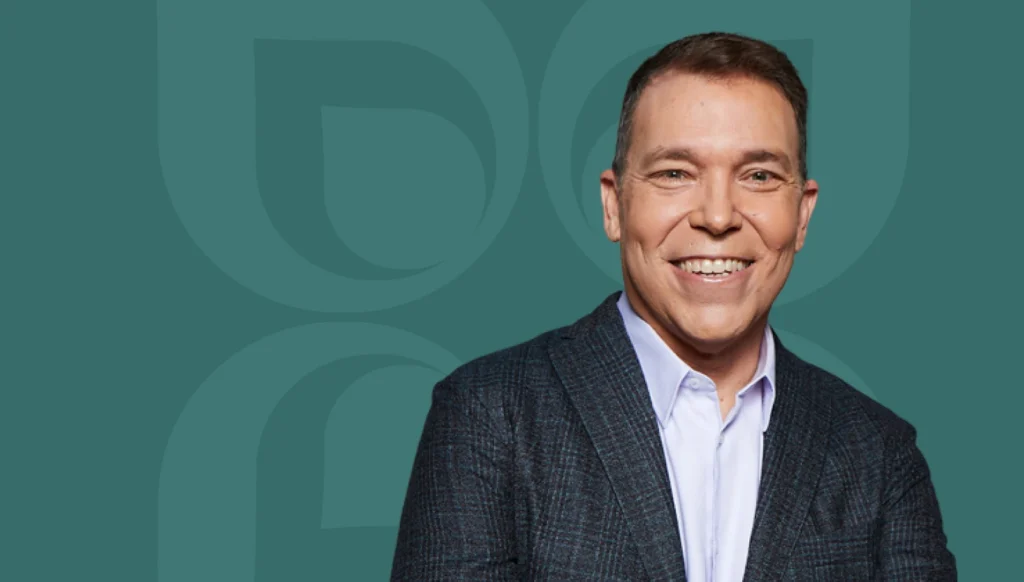
[Music] welcome to today’s inspired talk mastering change at any age with Bruce Feiler I’m Seth streer Mission wealth’s Chief impact officer our purpose as a firm is to empower people to realize true wealth and we know true wealth is about a lot more than optimizing our finances these inspired talks are designed to help improve our lives and expand our wealth across different dimensions I’m so excited for today’s conversation that will cover many timely topics including how we can make the most of our life transitions ways to create more meaning in our lives and how we can have productive values-based conversations with our families even including about money topics before we begin let me share a few instructions we’ll be recording this event and we will email you the top takeaways along with a video link at the end we will allow ample time for questions for Bruce so please post your questions into the Q&A box and we’ll get to as many as as we can and please use the chat box if you need any technical support or to respond to any questions and at the end of the program you will receive a survey and we really
do appreciate your feedback I’d love to start with a poll to see how on brand our audience is with this topic so let’s go ahead and start the poll here and the question is have you entered or ended a life transition period within the last five years and then the second part of the question is if you said yes what type of transition was it were you empty nesting like Bruce and I have recently did you just retire sell your company maybe you had a career change was there a change in your marital status or maybe you lost a loved one so please put into the chat the poll here your answers to these two questions and we’ll see where we are as an
audience all right we have a drum roll here let’s see how this landed do we have anyone in the room who’s gone through a transition okay it looks like yes 62% Bruce say that I’m entering a life transition and another 19% say I just ended a life transition and 20% haven’t yet but we know they will and as far as the type of transitions uh 12% had a change in marital status 7% had empty nesting 22% retirement yeah me as well and then 27% had a career change and then 11% lost a loved one so these are all uh big transitions in our lives and I’m really looking forward to diving in and And discussing them so we’re in the right place we have the right expert to talk about this so it’s my pleasure to introduce Bruce fer he’s the author of 14 books seven of which are New York Times bestsellers his books include the secrets of happy families life is in the transitions Council of dads and earlier this year he uh published The Search Finding meaningful work in a postc career World he’s a very popular New York Times columnist and in demand speaker at top universities and corporations and his three TED Talks
today have more than 4.3 million views I could go on and on but I’d much rather dive in and have us experience Bruce’s curious mind and Brilliant insights directly so let’s get started today we will cover three three broad sections uh the first will be mastering life transitions the second is the future of work and how to find meaning in work and then the third are the secrets of happy families and we will be taking related questions in each section so please do post your questions in the Q&A box and we’ll get to as many of those as we can so welcome Bruce we really appreciate you joining us today my pleasure Seth thank you for inviting me I feel like we’re we’re old friends at this point and I feel cheated I couldn’t vote in the panelists were not allowed to vote in the poll because in the last 100 days I published a book watched my identical twin daughters graduate from high school celebrated 15 years of cancer 20 years of marriage and then became an empty nester at the end of the summer um and I’ve been looking around as anybody I know know anything about life transition so I am hoping to learn something today
and how how wonderful to have such a big crowd with us well we will definitely be crowdsourcing some wisdom today so we will make it a collective effort here but to kick us off Bruce maybe we can talk about just transitions what does it mean when you talk about living or not living a nonlinear life so I think if I you know if I were going to try to capture a lot of the anxiety and sort of sense of of of unease in the culture today and and if I were to try to put it in a sort of um you know sentence or or or bumper sticker for those of us who remember bumper stickers that might frame this conversation is that in our lives we have linear expectations but nonlinear lives and and it is the tension between these two things that creates I think a lot of the sense of of being off track or off-kilter or or or or sort of off center or off what you expect in some ways so so to go back a little in the story and and kind of set up how how it is that I became interested and sort of ended up in the middle of this conversation I grew up in in in Georgia and I I since I actually just celebrated my 40th high school reunion um uh last
weekend um uh but I had what I now think of as a conventional linear life like I I I graduated from high school in Georgia I then I went to Yale and I let went there and I went to Japan in the mid 1980s and I you mentioned these books I’ve written I it doesn’t happen this way but I sold my first book at 24 and in my 20s I wrote book books about Japan and England and um I spent a year as a circus clown you can see the me on a on a juggling on the back of a camel up there and the camel because in my 30s I went back and forth to the middle to the Middle East and writing books about contemporary religion and spirituality and and and and and this was in the wake of 911 when it seemed like we were in the on the brink of a of a cultural war and in there I got married and had children and this is sort of the fantasy that we all expect what I’m calling here the linear life but then in my 40s my life was totally um upended first I got cancer at 43 as a new dad of identical twin daughters as I mentioned earlier um then I had some financial troubles in the last recession and then my dad got Parkinson who had Parkinson’s got very
depressed and tried to take his own life six times in 12 weeks and this in every way kind of threw my life off kilter and I’m a Storyteller right I’ve spent my whole life thinking about stories and suddenly I couldn’t tell my life story and I didn’t know how to and I and in a lot of ways I felt ashamed about that and when I did what I found is that everybody goes through these moments in their lives where they don’t know how to tell their story too and so what I have done in the last six years is travel across the country collecting an analyzing hundreds of life stories of Americans of all ages all backgrounds um all walks of life people who lost homes and lost loved ones who changed careers and changed religions who who got sober and got out of bad marriages a lot of the things that we just saw in that poll Seth as you know and I was looking for patterns that could help all of us when we go through these times and so what did I learn I I would say the the first thing I learned is exactly what you’ve just asked me which is that the idea of the linear life is dead those of us who are 40 plus we grew up at a time when we
were told everyone does the same thing in your 20s everyone does the same thing in their 30s then everyone has a midlife crisis between 39 and 44 and a half that was the original research um this idea turns out to be bunk right we do not live our lives um based on graphs that you might see in the you know in the in the in an undergraduate textbook so the linear life is dead and it’s been replaced but what I call and what we’re talking about here which is the nonlinear life which is the idea that change change comes at you from all directions often when you least expect it so my data show that we all go through 36 you know three dozen what I call disruptors in the course of your life these could be as small as a a fender bender or twisting your ankle or as large as a natural disaster or a pandemic and that’s every 12 to 18 months right you know that’s often that many of us see a see a see a dentist um and most of these we get through pretty well but a significant percentage of them you know one in 10 that’s three to five times in our lifetimes we go through a massive period of change right and this
is what I call a life quake and about half of these are voluntary and about half for involuntary so what’s an involuntary one right you get fired you lose your job you lose a loved one as I said there’s a natural disaster or a pandemic but about half of them are voluntary like I I keep mentioning my daughters here um you know their birth was amazing and it was joyful and it was a life Quake like everything about our lives had to change right retirement right we just saw whatever the number was 22% of people in retirement like that might be voluntary and joyful but it is a massive change and so we go through these regularly and if you do the math okay I think the signature piece of data that I have is that the average length of a life quake and the life transition that comes out of it is five years so you think three to five in a lifetime four five six years that’s 25 years that’s half of our adult lives where we spend in transition and that leads to the last big thing I’ve learned which is that transitions are a skill that we can and must master and if you look at the data we just had right 62% if I have the
number correct are in a life transition 19 just ended one that’s 80% of people in the last few years have been in this period of change and what the way we have talked about change I mean what that headline of this seminar you know mastering change at any age we’ve talked about change as period you have to grit and grind and resilience your way through we are looking at them as deviant periods to get us back to the stability but if we do that then half of our Lives we’re looking at periods of struggle but in fact if we look at them what they are which is as periods of growth and renewal we are turning half of our Lives into something that we are ashamed and fearful and scared of into something that involves a lot of pain but can involve a lot of growth and renewal yeah amazing thank you for for framing it that way and since it’s something we can all relate to maybe we can talk about kind of what do we do knowing that this is something we’re in or will be in um you talk about your transition toolkit I just love that um maybe you can talk about like what are the ways we can best navigate these
transitions that are going to be happening so I think that the first thing that I would say about this is you know now that I’ve been out there a few years talking about transitions you mentioned this Ted Talk a couple million views and this book now two books um I I would say that the that the reaction to my work and this is a technical scientific term is like you are you are naming this thing that I feel that I haven’t named and the power of naming it is to normalize it and to validate it and to say You’re Not Alone we just saw 62 that’s almost 2third of people that have just joined us are relatively random group of of of of 150 people are going through a transition you or someone you know is going through one right now okay so the first thing is to normalize it right as my wife likes to say I have hard knowledge about soft things so this is a soft thing but it doesn’t mean it’s not real and has hard consequences in your life okay the second thing is what do people do so when people get into a life transition they tend to do one of two things okay they either make a 212 it him to-do list and
say I’m going to get through it in a weekend and I’m going to be the best that ever was and I’m going to get a blue ribbon right I mean if I had to guess that’s what you are um like I’m organized and I’m I’m on it okay the second thing people do is they say is they don’t say they do they lie in a fetal position under the covers with a cat and they say I’m never going to get through it and woe is me and like my life is very miserable and no one can possibly understand what I’m going through okay well I’m I’m almost tempted to say which you know give me give us a show of hands here who’s which is which but what I want to tell you is that both of those are wrong okay um and in fact if you look at enough of them these transitions have a certain structure and that leads to what you teed up in this conversation so transitions have three phases okay I call them the um the long goodbye where you accept that you’re in your transition and you often use ritual to mark them there’s what I call the messy middle where you shed certain habits and create new ones and then there’s the new beginning where
you sort of update your story your life story and then you um you know and and then you you know share share this new self W with the outside world okay so you got three phases and here’s the thing about the three phases that everybody’s good at one and everyone’s bad at one right so everyone has a transition superpower if you will and then everyone has a transition Kryptonite so where do you start the answer is whatever you’re good at like if you’re good at turning the page right and having a little ceremony you know where you go to a sweat lodge or you know burn something in the backyard or put out a flag or you know if if if you’re good at that then start there but maybe you’re bad at that maybe you’re a people pleaser maybe you don’t want to stand up for yourself like maybe you don’t want to admit like if you go back to the pandemic and say 2020 we have what I would call a crisis of the long goodbye right because everybody was if we just go inside for six weeks and then we’re going to go back to where no we were never going to go back it was always obvious that we were going to a new place but we held on
because we didn’t want to say goodbye to the old life and then what happened was after a year or so then we got more comfortable saying goodbye and then what did people do they upped the number of people who quit a job they up the number of people who Moved people got out of relationships people got married when they had been you know on the fence so That’s a classic way that we were hesitant to along go by so maybe you’re a list maker and maybe you are a planner and maybe you’re G to move or whatever then go to the messy middle the point is you do not have to do these things in order even though I’m telling them in order because just as transitions are nonlinear the phases of a life transition are nonlinear too I love uh talking about ritualizing change uh you know when my son went to college two weeks ago we went down to the beach and we had a bond fire and we played some music and had dinner and just kind of talked about this big transition in his life and big transition in my life maybe you just dive into ritualizing change and just what are some other examples of that that you experienced and and learned
about because I think that’s you know for those of us who are maybe dealing with just having lost a loved one or maybe a career change what are some ideas of how to ritualize it I think that can be very powerful well actually you know this topic is so uh personal and passionate for me I’m actually writing a new book about how we ritualize so what is a ritual a ritual at its core is a way to connect individuals to groups okay so in fact a lot of what we’re talking about here in and navigating a life transition um you and basically the way to think about a transition is that is that the life Quake puts you on your heels and the life transition puts you on your toes right it is the human mechanism to that responds to the life Quake right so the life Quake is the losing a loved one as what do we see you know changing a job or or or retiring that’s the event and then the transition is the way of navigating the event it gives us the agency in this time of transformation and what a ritual is it connects individuals to groups right so if you think of what What’s called the Big Four of rituals that would be you know of
childhood rituals like baptism or things like that like coming of age rituals like a bar like a bar mitzvah or a kinero or going to college or a a mating ritual a marriage back when people actually got married as supposed to just cohabitate and then a funeral like these are the big four and in fact what what’s going on now is that we’re doing more of these because we live a lot longer than when these were coins so um a a ritual um um it might be a a going it might be a retirement party right it might be a housewarming it might be a house goodbye right it might be a a prayer circle it might be a sweat lodge it might be jumping out of an airplane I talked to a woman who who had an awful years she she was a um a bone marrow donor to her brother she um uh she um went on 52 first dates and and she was struggling with work and she was like what’s the thing I’m most afraid of heights and so she jumped out of an airplane right it was a way and a year later she was married um uh um with a child so there is this it’s a signal if you will to yourself but especially to those around you that you’re going through a change
you’ve normalized it and you’ve made it a a a communal event thank you and by the way I just want to say the night before my kids went to college um now a month ago I we also had a gathering and I wanted because a lot of these rituals have bonfires and I wanted to do but we were inside so I took a candle and we like went around and and you know actually you know everybody said their their their their hopes for the transition and also um we did a sort of forgiveness thing where everybody sort of forgave everybody for whatever collection of sins that they might have and so that was on a Saturday night and then we drove our children to college and then the next night my daughter one of my daughters had um this gathering with a freshman counselor and she did the same thing with a candle and she said I want you to write out your fears of what about going to college and we would normally burn them but instead in this case we’re going to clip them so back to back separate world separate cultures this idea of fire and light and togetherness and fear and using the group to expunge these emotions these are real things
every culture for 10,000 years we’ve studied uses rituals in times of change and I bet that made you a very happy Dad to see your daughters carrying that forward that’s that’s great um please put any questions you have about navigating change into the Q&A box happy to take a few of your questions now um I would love to have you Bruce just talk about the three keys of a balanced life we always talk about life across 11 Dimensions at Mission wealth you know Finance being a very important one of those 11 but what are three keys of a balanced life from your research yeah so so what’s the difference between happiness and meaning happiness is what you feel it’s an emotion it’s it’s it’s kind of a current state right animals can be happy but animals can’t have meaning right so what is meaning meaning is about stitching together past present and future it’s about the way you do that is fundamentally a story and and and and meaning in life life allows you to make sense and process and find well-being even through times of unhappiness right so we we’ve sort of over indexed on happiness in this
culture and we’ve under indexed on meaning now if you go back a hundred you know a century to a time that almost everybody here can remember in some way most of the ways that we made meaning in our lives were given to us okay we had to live where our parents wanted us to live do what our parents wanted us to do believe what our parents wanted us to believe love who our parents wanted us to love uh Etc now today most of that has gone you can live where you want to live do what you want to do believe what you want to believe love what you want to love love who you want to love and that’s great and many a majority of people have really benefited particularly women right who have much more freedom now particularly people who are in some sort of U minority like lgbtq people right or people from racial and ethnic minorities who have a lot more freedom in the world than they would have had a century ago that’s a blessing but it also comes with a consequence and the consequence is that we freeze right we get writer block writing the story of our own life because we have too many choices and
that’s often a frightening thing so what I the sort of one of the things that that was hardest for me to figure out that I’m sort of most proud of is that I have identified what I call the three building blocks of meaning which is what you’re asking me about that I’m calling the ABCs of meaning so what is the a the a is agency okay that’s what we do or make or build the things that we can control okay that’s agency in narrative terms that’s our me story the B is belonging that’s our love in our lives our relationships our family our friends our colleagues our co-religionists like the people we play on the tennis team with or March in political rallies with in narrative terms that’s our we story and then the final the C is a cause that’s a calling a purpose something higher than yourself I call it your the story right so everybody here can do a simple exercise um now in your head or afterwards with loved ones like if I give you a hundred points you know how would you aot them right you know we all have all three in us right so I’m an ABC I’m a writer I’m very agentic I’m a very involved family member super involved
dad so I’m probably like cause is less important to me right so I’m probably let’s just say 50401 for the purpose of this my wife who who is an works with entrepreneurs around the world she’s a cab she’s very cause oriented and then agentic she’s a founder and a CEO you know outside of family relationships are less important to her so she’s probably 50 you know sort of 40 10 50 but what happens and this is the key thing is that in a transition we adjust our balance right so if you’ve just retired maybe the majority of your life was about building a company or working or generating wealth or you know taking care of your family and then maybe now you want to spend more time with family right or you want to give back or maybe you’re a you’ve been a a primary caretaker of children right or a primary caretaker of an aging relative and then the children go off and um you know or the um the elderly person dies and then you have more time and maybe you want to do something for yourself or maybe you want to get back or maybe you’ve been giving back and you burn out whatever it might be the point is in a life transition you
shape shift you re you rethink think and you re-evaluate your priorities and say this is who I want to be and how I want to be spending my time and what brings me meaning right now and the great gift of the nonlinear life and when we as we pivot to work this will come up even more is that you don’t have to do the same thing forever you can change as your life is nonlinear and as as change has been normalized across the whole lifespan thank you Bruce we have a few questions that have come in here on transitions so I’ll try to group some together uh could you please please share the skills to go through a transition the first is to validate and normalize and then what’s next and then there’s some follow-up questions saying in any specific insights for people who’ve suffered a Health crisis and how they can then kind of rebuild uh new habits after having a Health crisis uh if that was their big transition Point yeah so let me take this actually in reverse because I think it it it it plays to a larger Point first of all I’m sorry for those of you who are going through a crisis as a cancer survivor
myself I you know I always want to lead the the three most powerful words that you can say to somebody in a in a in a Health crisis or frankly in a life transition of any kind is you’re not alone as we’ve seen two-thirds of us are in a transition and many of those are health so you’re not alone and if you’re caring for someone in a health transition you’re not alone either and so um just know that we’re all on this journey um together I would say a big change that I’ve gone through Seth and working on this project for the length of time I’ve been working on it is that I I I think that my I don’t want to say hypothesis but I guess I believed at the beginning that there would be a different toolkit for a Health crisis and a job crisis and a pandemic and losing your house in a natural disaster or losing your legs or whatever it might be that turns out to be not true that that generally speaking the the stages and phases and the tools are the same regardless of whether it’s your house just burned down or you lost a loved one or you quit a job or you you know are voluntarily getting out of
a bad marriage or stopping drinking or whatever so you’ve got these phases as I mentioned the long goodbye the messy metal in the new beginning and I obviously we only have time to do it briefly there’s a lot more in the actual um uh book life is in the here oh yeah exactly life is in the transitions um but there are there sort of what I call seven tools in in the long goodbye they’re basically accept that it’s an emotional experience and then use rituals to mark it in some way that you and this is the problem with people um who go who make the 212 item to-do list right which is they’re trying to skip over the fact that they have one of what turned out to be the top three emotions right which is which are fear sadness and shame um you’re gonna have fear you’re G to have sadness you’re going to have shame or some combination or anger or frustration or whatever it might be um and if you just bury it and pretend that you’re not going through that then you’re not being honest with yourself and you’re not really um uh getting all the the the the opportunities for growth um uh and and support that you need so those are the
first two in basically in the messy middle it’s shedding certain habits um including uh habits that you feel at just a text popped in here from my daughter reporting on her her logic midterm um um the um uh you’re going to shed habits including habits that you like like having a meal with a loved one or having the job or the money or the status but also habits that you don’t like like maybe overeating or over drinking or being a people pleaser or ignoring your family so you can build your company or whatever and then it’s this incredible period of creativity where you experiment with new habits and I’m not even talking about cre creativity abstractly I’m talking about actual creativity like dancing or learning ukulele or painting or there’s just some amazing stories in the book um and then the new beginning it’s it’s updating your story and then sharing it with others so these are seven tools that you use in kind of whatever order um uh works for you and in the book you do a great job of outlining it and giving examples one last question on transitions before we segue to work uh you know we’re talking about how to
navigate transitions what about those of us who want to like work out in advance so what can you do proactively to introduce change into your body body your mind to become more acclimated to it so that then hopefully we can better cope to those transitions when they do come is there anything we can do in preparation yeah I love this question and I think it’s it’s it’s it’s sort of the I think of it as the second hardest question that I ever get um and so I’ll do the second hardest and then I’ll do the hardest um so the second hardest is basically what you say which is can you get better at it right um I I was recently um I think when you and I um had a had a planning session discussed this I was either about to or had just I was given I I gave this convocation address uh to the incoming 3200 members of the class of Middle Tennessee State University all of whom were asked to re or required to reading to read life is in the transitions this summer and I talked a lot about college as a kind of classic life transition right because you’re you’re saying goodbye to the child your your old life right where
your parents did everything for you right you’re in this messy Middle where you’ve got some protection around you but some Freedom um you’re shedding habits and creating new ones and then you unveiling your new self and how long is college you know four or five years um and so I do think that if you use the language if you recognize that you’ve been through it if you recognize that you are going through it I think it will help the process I know it will help the process that’s so that the second answer to the second largest question of yes you can get better a by using language and B by being a handson empathetic co-pilot to your loved ones or friends or neighbors or colleagues who are going through them but the hardest question is can you make it go faster and in that and the answer to that question I believe is no I I do believe that fundamentally there’s still is an arc to the process it turns out that 60% of people move um in a life transition right they sell their house right someone I know you know moved into a a treehouse they start to exercise they they work from home remotely parttime or
not that takes a while actually even since I mean I have to say and the moving thing is very on my mind I’m in a life transition my way of moving I’m not selling my house that my wife wants to renovate more of our house than I want to right now um um but I have started exercising more I’ve lost 10 pounds actually in the last month so so that’s my way of moving like okay I’m going to work on my body and you just can’t do that overnight so I do think that the process itself requires reflection and reimagining and and and and and and taking stock and seeing how it changes or whatever so I think you can get better at it but I’m not convinced you can actually shorten it in a meaningful way thank you well I know we could dive into transitions more and more but let’s switch gear years and let’s talk about the future of work and the importance of purpose in work and one of the things that that really surprised me as I was going through your book is some disturbing research out there as to uh what the reality is today in America so maybe you could start with that talk about the kind of situation we have
going on in work and and why purpose is so critical yeah so I think that I I I think that the first idea from the conver from the part of the conversation we just had to the new part is to actually um um Carry forward before we get to to to meaning is to carry forward excuse me the idea of nonlinearity okay so that most of us grew up in an era where we believed that you had to make um uh you know a choice or decision about work Follow Your Passion right whatever in your 20s and then this stuck with you this turns out to be not at all um true and not at all how how younger people Millennials and and zers in particular have um have thought about work so so let’s pull back let’s do my 30 second big think you the most influential story in the history of work was is the Garden of Eden actually because it it sort of normalized the idea what was the punishment for Adam and Eve when they got kicked out of the Garden of Eden answer work like okay now everything’s not gonna be taken care of you right so we for most of human history we had this idea that work was supposed to be miserable okay so for 12,000 years from the agriculture
Revolution to more or less 200 years ago it took 90% of people 90% of their time just to survive right to grow the food to build the houses to make their own candles to care for their young to take care of the sick bury the dead whatever it might be so the first big change that occurred was 200 years ago in the um Industrial Revolution when for the first time a third of the workforce lost their job moved to cities and you had new jobs and people without jobs and they they had no way to talk to each other excuse the uh street cleaner outside the window here in Brooklyn um and with that change came a change in how we talked about work there had never been a word for career but suddenly we needed this idea of career and I got Nam Frank Parsons in in in Boston invents the idea of career counseling and what was the idea the idea was once in your life if you were a male in your 20s they would sit you down ask you a group of questions give you a list of comp set up an interview and you’d be done and for the rest of your life you had to work not you know in that not only in that vocation but in that particular job okay
the next big change occurs 50 years later when we move from the industrial economy to the knowledge economy right from the factory floor to the office floor right people from people who shower after work to people who shower before work is the way I like to think about it um and that begins another change so for the first time you you could change jobs but only on a linear path and what was the invention that we came up with at that time the answer is the resume no one ever needed a resume because no one ever changed jobs and no one had ever had this linear path so we have this idea of a linear life and that’s what we have normalized today we don’t have that life anymore and we are slow to recognize the change so there’s a whole bunch of reasons for this which I will not go into there in they’re in the search right which is the book I just wrote about work and it’s because women are now working 80% of women are working outside of the workplace right it’s because job quitting has become normalized 50 million Americans quit a job in the last year that’s a third of the workforce okay of 160 million people and another
50 million people said I don’t want to go to the office 5 days a week if they’re white collar workers okay and we see we see employers pushing back back but even the Google Facebook whatever Amazon all the ones saying come to the office they’re only three days a week no one’s expecting people to show up in the office five days a week we are in a massive moment of change and and and paradoxically we actually have Millennials to thank for it okay so just one data point from my book I think so I did all these interviews about work and I said to people what was you know what’s the number one value of work you learn from your parents answer hard work like even the Millennials and the they want to work hard like that is built into the American Fabric and to the identity of being alive um at this moment of time but when I ask people the downsides number one answer overwork this is what they learn from their parents number two strain on the family number three unhappiness if you want to understand work today understand those numbers people still want to work hard but they are not prepared to overwork to put a
strain on the family and to say um um I’m prepared to be unhappy the idea of work around the clock I’m telling you to move to St Louis and two years later I’m going to tell you to move to Kansas City and six and and four years after that I’m going to tell you to relocate to Atlanta and I’m would you say JUMP I’m G to jump It’s Not Gon to happen okay maybe there’s a second bread winner maybe you’re not prepared to work too hard maybe the kids are on travel soccer and and have a friend group so this is a massive change that has happened and the heart of it is we have what I call the three lies about work like you have a career no you don’t half the people who change jobs change um OCC vocations like you can change whatever you want for whatever reason you want number two you have a path you don’t have a path you can stay on the path if you want think of all the women we know of Our Generation Seth who would say if you get off the escalator you’ll never get on like what has squandered more human potential I mean Crystal who’s here like crystal is not going to grow up with this with with this idea that if
she wants to spend time with young children if she’s you know blessed and chooses to have young children that it will ruin her career that’s ridiculous okay and we are moving beyond these old stereotypes that we are haunted by to say you can so those are the the lies the third one is you have a job because we have multiple jobs um but the one truth is you get to decide the story you want to tell and that’s what’s been missing in the workplace and what I tried to do in the search is give you a toolkit for deciding what it is that brings you meaning because you can change you have 20 work Quakes in your life you can change what you’re doing and what brings you meaning for any reason as simple as you just want to but we have not told we’ve told people you’re supposed to be miserable we haven’t told people you can you can be happy and Find meaning and we haven’t given them the tools to find that and let’s dive into those tools so when someone says okay I really want to think about what what brings me meaning uh both at work and outside what what are some tools that you can offer for them
to kind of dig deeper into that so the larger the larger frame for this the the the the tool that is the essential tool is what I call a meaning audit right which is to do what I refer to as personal archaeology where you dig inside yourself so the big change that we’re talking about here is that we made a series of decisions around work largely based on the idea of what you should do this is what I call the should train you’re going to get on the should train right you’re going to do what your parents want you to do what your culture accepts expects and accepts um but you’re you’re you’re going to meet these external metrics of achievement okay the problem is is that those external metrics of achievement may not correlate or speak to or echo in your own internal metrics of achievement so if you’re out there I mean the way I think about this is that the story we’ve told about work in this country from the very beginning like this goes back to Ben Franklin you know is all about up right higher floor bigger office greater salary more benefits up by your bootstraps Rags to Riches that’s the
story straight up almost entirely external metrics largely around money and yet the people who are happiest and most fulfilled in what they do they don’t just climb they also dig because if what drives you is not M if if if you’re driven by money good for you right there’s a lot of value in that it’s providing for your family right it’s O overcoming the pain you might have had as a child if you grew up without a lot of money it might be I have to pay off my college debt so I need to raise money or in our case we’re sending kids to college and that’s expensive so there’s no Stigma attached to uh working hard for money the stigma is that’s the only story that you can tell about work because a lot of people want to give back right to join the military to be school teachers okay to be creators to write novels to um to to Garden to be outdoors to whatever it might be and the point of what we’re the advantage of the nonlinear life is that you can change any time like you can go do something maybe you want to go make money look look at the retirees maybe if they’re in this community right and
they’re coming to you know private wealth management groups part of the conversation you’re having with them and part of the reason that people like you are valued in the workplace and I know enough about you to know the Stu of what you’re doing whether it’s from YPO or helping families is okay you might have been telling one story for most of your life and you need a new story and part of that by the way is the long goodbye where you accepted that old part of you was gone in the messy middle of figuring out what story and then going to live it so in the workspace it’s what I call this meaning audit that’s the larger process that we’re talking about and then my book offers a series of questions and tools which are basically as I call it you know as I think about it now like 21 questions to find work you love a way of quizzing yourself and asking yourself what do you want to be doing right now so you make sure that you’re telling your story and not the story that other people want you to tell and I love thinking about purpose as a purpose portfolio so yes we derve a lot of meaning from work but there’s also
maybe it’s a Ceramics class or being a parent or volunteering so you know purpose doesn’t have to be this one thing it can come from a collective of experiences and I think with the pandemic it’s opened a lot of us up to these other hobbies and interests so you know it’s it’s how we as employers I think can really help embrace the whole person at work so that they can feel seen and appreciated and feel like they have some Liberties to pursue all these dimensions of themselves yeah I think that’s exactly right and I and I do think that that has been normalized part the pandemics and part younger Generations that’s what I I we sort of skipped over it but that’s what I think of as the third lie which is that you have a job and in fact you have everybody has multiple jobs right so we may have a main job but frankly in the current economy only half of us even have a main job um we have a we have um care jobs like caring for relatives or children or or neighbors or you know whomever it might be um we have a side job which we hear about a lot three qus of people have that but 86% of us and
this these are two I have two original terms of mine have what I call a hope job which is something that you’re doing on the side that you hope leads to something else and it could be selling pickles at the farmers market it could be writing a screenplay um and a lot of times entrepreneurship comes out of this right I I I have have a story in my book about um about a guy who was a lawyer at Goldman Sachs first generation um Korean American right who lived his parents dream right became a lawyer and got a job at Goldman Sachs um but his hope job because he grew up sharing a bathroom with three sisters was redoing kitchens and bathrooms you know and so um he had a a a a hope job which was helping friends redesign their their interior spaces and then eventually got to the point where that was bringing in enough money he then made his hope job his main job but he still hadn’t fully he still wasn’t bringing in the income he wanted so he still took some legal he quit Goldman Sachs but he still took some legal uh jobs on the side to help pay the bills and so there you you see you get at this sort of I call it work
360 other people call it portfolio that’s this idea that what’s not negotiable is the meaning so maybe your main job doesn’t give you meaning it pays the bills and gives you the health insurance or whatever it might be but maybe the side job or the Hope job gives you meaning and you’re gonna you’re going to do things in your life to give you meaning because that’s the call and the opportunity of the moment that we’re in now one question on the subject before we switch gears to families and this is not an easy one but I’m going to ask you to try to do it in 60 seconds or less okay you know Arthur Brook talks about first half of life we have our fluid intelligence essentially reason and then we morph into crystallized intelligence which is more wisdom integrative uh wisdom so you talked about the knowledge economy you know that um we shifted into but now we’re in kind of a wisdom economy and with AI coming in handling the knowledge piece what would you say to our people who are you know 55 and older um about how they’re in a unique place with their wisdom to apply that to find meaning in their lives I love Arthur
Brooks I consider Arthur Brooks a friend of mine I disagree with Arthur Brooks um so um um in 60 seconds um uh and David Brooks the Brooks Brothers they’re not Brothers um wrote a book about called the second Mountain too um um I fundamentally disagree with this idea that this only can begin after you’ve climbed the first mountain or after you’ve lived the first half of your life that may have been David and in fact it really was David in a lot of ways and that may have been Arthur and in a lot of ways it was Arthur in a lot of ways but some people lose a parent when they’re 12 or some people get cancer at 43 or or or some people um decide early in their lives that they want to join the military or work in a nonprofit so I believe that this wisdom can happen at any time but since the question that you asked me was what can you do if you’re over 55 I think you can do it at 35 but the core exercise is get off the should train and get on the want train and in order to do that you have to do the personal archaeology go back to your childhood and realize ask yourself one question since you gave me and I got 15
seconds left I read this fa tale by Hans Christian Anderson called Auntie toothe about a young boy who has um a away with words who’s going to be a poet but also a lot of toothaches and his um his this figure called Auntie toothache who comes to him at a dream says um uh every great poet uh has a great toothache did you have a toothache as a child something that nagged at you that was a problem you wanted to resolve right or a tension you wanted to escape everybody you have been everybody listening to us has been carrying your whole life something that you’re trying to resolve a question that you want to answer if you can identify that question question and then set out to have a portion of your life designed to doing whatever it is at the resolution it could be making money it could be helping others it could be escaping a bad childhood it could be some empathy you have it could be whatever in the search I go through all the different things if you can identify what is the purpose that has been inside you your whole life or a new one and you can spend part of your time addressing that that’s the way to get that is one
powerhouse way to get more meaning out of your life I love it powerful all right let’s switch gears to families so we’ve got like eight minutes to talk about families uh let’s focus kind of the secrets of happy families around a lens toward money and values yeah maybe what’s some of your learnings uh in that Dimension so I I have been writing about families basically since I became a father as I mentioned I’m a very involved family member and and and there’s a sort of a problem in in F in families which is that that most of us are unhappy or frustrated or exhausted and what do we do you know sort of we turn we we turn to our parents though their experience is irrelevant for for modern parents or we Facebook our friends and they’re just as clueless as we are but there’s actually a lot of wisdom outside of the family Spirit like we’re whatever now 125 years after the birth of psychology like they’ve had their chance like it turns out that there’s a lot of wisdom like about how to build teams and sports and how to manage money and you know among um um among smart smart money people about
about you know how to how to fight more effectively uh with people who um uh who were conflict negotiators and sort of my work in families has been about bringing this idea and and and I would say there’s kind of three things I’ve learned about families high functioning families and as you said I’ve written a lot about this in in my book The Secrets of happy families and elsewhere um have three things in common number one they adapt all the time now when when I came up with that I didn’t I didn’t have the idea of linearity and all the data that I have now but it’s the same thing right the I I thought oh I’m a parent I’ll set five rules and we’ll follow them well guess what life interrupts and you get cancer and you know Grandma needs to sell her house or has to move in with you right or mom loses a job or or or or or or or dad wants to change a profession and goes back to school or whatever it might be like lives are nonlinear and you have to be agile and you have to way of you have to have a way of managing that agility right so in my book one of The ideas about the book that’s kind of
worked most successfully is we have family meetings in my family um both my immediate family with my kids and my and my wife and also my extended family like ways to like where are you and how can we address the problems we have now so um high functioning families adapt all the time number three is high functioning families go out and play right so whatever you’re doing if you find time to bond whether it’s movie night or game night or travel or hiking or whatever it might be sounds the simplest but it’s often the hardest to do make positive memories but it’s the middle one that you asked me about which is that high functioning families talk a lot and it’s not just talk um to one another and recreate it’s about what it means to be part of your family and my in the secrets of happy familyes I walk people through a process that Jim Collins the great management theorist the theorist of good good to great walk me through which is how to make a family mission statement which is to identify the values and this especially applies to money 80% 8 Z of children or grandchildren or however old you are you
know go to college having never had a conversation about money with their parents where it comes from you know what’s debt what’s interest What’s um investment 80% why because we’re scared to talk about it here’s the most important thing if you remember one thing about this section maybe the whole day every conversation about money is a conversation about values even a conversation about money that doesn’t happen because the conversation about money that doesn’t happen is sending the value that talking about money is hard I literally just said to my wife like we need to have a conversation with our children who are 18 you know just like beginning their whole dating life about you know about money maybe even about prenup about these kinds of things that are very very difficult to talk to because I know several people now going through messy divorces where you know a prenup you know would have been helpful we we are a long way away from that but that’s when you want to talk about it and I I met a guy named Byron Trot who advises 100 of the top 100 wealthiest families he agreed to meet me
to talk about and the only interview he’s ever given was with me in fact there was an article about him in the Washington Post not long ago the books the quotes from happy families were the only quotes in because he doesn’t talk to the Press he’s Warren Buffett’s private banker and I told him this story I was like oh yeah at the time my kids were very young and I and I was like oh yeah we we give them an allowance and like we make them divide the money into you know spend and save and give away and invest and this is a genius plan I’ve come up with for their $6 uh when they were six and he’s like that’s a bad idea and I’m like no no no no Brian look the whole purpose of this is to give him experience with different things and money and he’s like no you want to you want to have them do it themselves and I was like well well what if they like make a mistake like or like what if they drive into a ditch and he told me the single smartest thing that anyone’s ever told me about families and money which is it’s much better to drive into a ditch with a $6 allowance than a $60,000 a year salary or a $6 million
inheritance so as your children are young as your family is coming together you want to normalize the idea that you can talk about money so that you’re not doing it after Grandma dies and suddenly there’s tension and there’s disagreement you need to develop a culture where you can talk about money in your family and you want to do it in away not at Thanksgiving not when you’re washing the dishes or on the beach a set aside time where everybody is seated upright it’s better to have somebody from the outside there so everybody will be on your best behavior um but but money’s about values and the only way to explore values is to talk about them yes and and taking that to to kind of another level we’ve had a lot of clients kind of bring up this topic of well should I have full transparency should I show my kids the balance sheet exactly what we’re worth what our plans are what our thoughts are around you know when we pass uh do you have any thoughts on that full transparency approach taking this conversation of money and values to like full everything yeah so I I think that the I think that the short answer to
that is you would not do that with a five-year-old now so what I assume when you say that is you’re talking about um you know in in the money in in in the family wealth space and I I sort of have kind of fallen into the space and I and I do a lot of speaking about this right you you talk about gen one gen one gen two gen three gen four gen one is often where the money is made and you know and by the way often in gen one there is by the way what turns out to be a myth which is that you know giving children money um will or access to money will make them lazy like there’s literally no data to support that and yet it is a conviction that has somehow takeen fold and is particularly ripe uh among among gen one people who made the money themselves who look at themselves and sort of extrapolate from their own experience we all know families multigeneration families where there is wealth where some children work hard and some children don’t there’s no correlation between coming from money and having an intrinsic work ethic that they’re completely different now there are ways of doing this and there are you
know people like yourselves and other people who have a lot of expertise so the short answer you want to do it in an age appropriate way okay I I have I I I have a good business doing this myself and I can tell you that um you know I I was recently in the home of one of the top 10 wealthiest families in the country giving a talk and helping them and they when the kids turned 18 started giving everybody a check and they have regretted um they have regretted doing that but there is there are there is noow out there um people and there you seek out wisdom out there but there are ways you want to balance I think the general way is you want is if I if I could come up with a couple of rules of thumb th number One never lie you don’t want to say something that you have to unsay later like this goes with like you know do you believe in God if your kid at 5 years old your grandkid ask you do you believe in God don’t say you do if you don’t like you don’t want to lie why because your credibility means everything you can say what do you believe or like sometimes this or some so whatever you’re doing tell the truth no matter
how if if the kids’s two always tell the truth but you can be somewhat selective um about telling the truth depending on what’s age appropriate and depending on what your family wants number two you can set up a relationship between doing things for your family and getting some money over time okay so number one always tell the truth truth number two don’t never talk about it right so don’t I I don’t worry don’t worry Crystal don’t worry little sethy I I got it taken care of after I die you’ll get a you’ll get an envelope and it’ll tell you what I’ve put for you that’s ridiculous by the way I come from a family that talks about this a lot and my wife isn’t a family because my father-in-law is a trust in Estates lawyer so the position all along has been oh he’s got it he’s an expert he advises his families on this I’m like I’m sorry BS okay the children are now in their 50s like they need to understand what’s going on and they need to have a voice at the table so the shocking thing and then the last thing I’ll say is ask ask ask the next gen what they want to know what they want to be included
what they don’t what matters to them kind of core rule in families is stop holding and hoarding all the power yourself whether you’re a parent of 5-year-olds or in this case whether you’re a a a family with some some mean they’re gonna be60 trillion dollars passed on intergenerationally in the next 20 years okay the idea that all the wisdom belongs to the people 60 plus is ridiculous because young people also have needs and desires and wisdoms and expectations and you’re assuming what they want ask them yes it’s about empowerment indeed and and you’ve empowered us today Bruce so thank you so much for for sharing these insights how we can navate transitions how we can invite more meaning into our lives and and more connection with our loved ones
Mission Wealth hosted our 9th INSPIREDtalk “Mastering Change at Any Age”, where we explored the art of navigating transitions.
In this recorded talk, the Author of seven New York Times bestselling books and world-renowned speaker Bruce Feiler will guide you through the process of turning transitions into opportunities and infusing purpose into every financial decision, career step, and family conversation.
As a leading wealth management firm, Mission Wealth understands that true wealth goes beyond numbers—it’s about creating a legacy that transcends generations. Join us to discover how to navigate life’s biggest transitions with meaning, purpose, and skill.
About Inspired Living™
At Mission Wealth our Inspired Living™ services align your financial plans with your greater life values, goals, and aspirations. Through exclusive events, you’ll gain access to thought leaders, specialist research, actionable advice, and peer-sharing opportunities that can help you align with each of the 11 Dimensions of Life™.
INSPIREDtalks are webinar conversations with our roster of experts, influencers, and thought leaders within each of the 11 Dimensions of Life™. These renowned specialists will share research, professional experience, tools, and tips to help empower your growth.
To learn more and to watch past INSPIREDtalks, please visit missionwealth.com/inspired-living
Mission Wealth is a Registered Investment Adviser. This commentary reflects the personal opinions, viewpoints, and analyses of the Mission Wealth employees providing such comments. It should not be regarded as a description of advisory services provided by Mission Wealth or performance returns of any Mission Wealth client. The views reflected in the commentary are subject to change at any time without notice. Nothing in this commentary constitutes investment advice, performance data, or any recommendation that any particular security, portfolio of securities, transaction, or investment strategy is suitable for any specific person. Any mention of a particular security and related performance data is not a recommendation to buy or sell that security. Mission Wealth manages its clients’ accounts using a variety of investment techniques and strategies, which are not necessarily discussed in the commentary. Investments in securities involve the risk of loss. Past performance is no guarantee of future results.
"*" indicates required fields
By providing a telephone number and submitting the form, you are consenting to be contacted by SMS text message and agreeing to our privacy policy and disclaimers. Message frequency may vary. Message and data rates may apply. Reply STOP to opt out of further messaging. Reply HELP for more information.
or call us: 805-902-4550
"*" indicates required fields
Schedule a complimentary 30-minute discovery call to discuss your unique situation and financial goals.
Prefer a phone call? Call us: 805-902-4550
For general inquiries: click here.
By providing a telephone number and submitting the form, you are consenting to be contacted by SMS text message and agreeing to our privacy policy and disclaimers. Message frequency may vary. Message and data rates may apply. Reply STOP to opt out of further messaging. Reply HELP for more information.